See the best of the Acropolis with a private guide
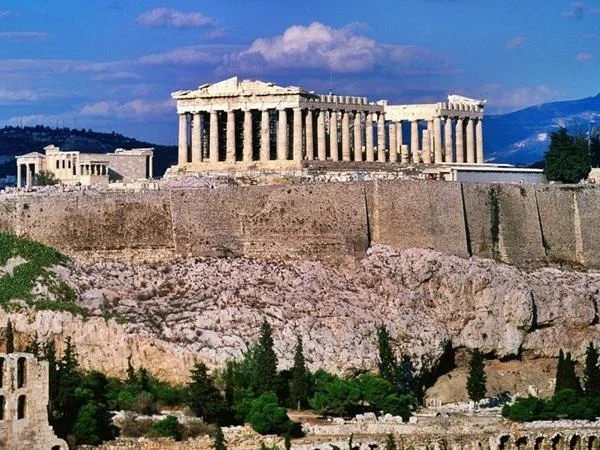
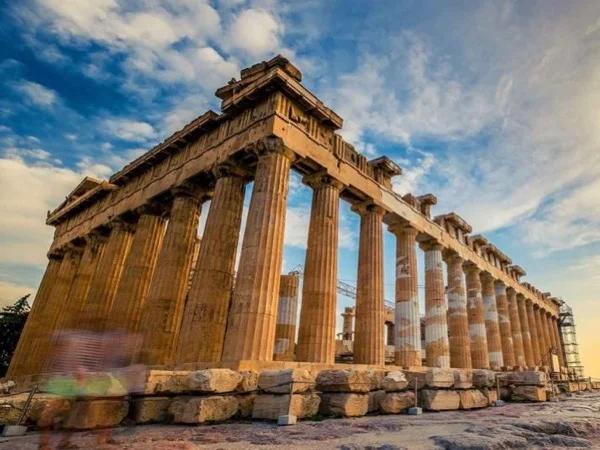
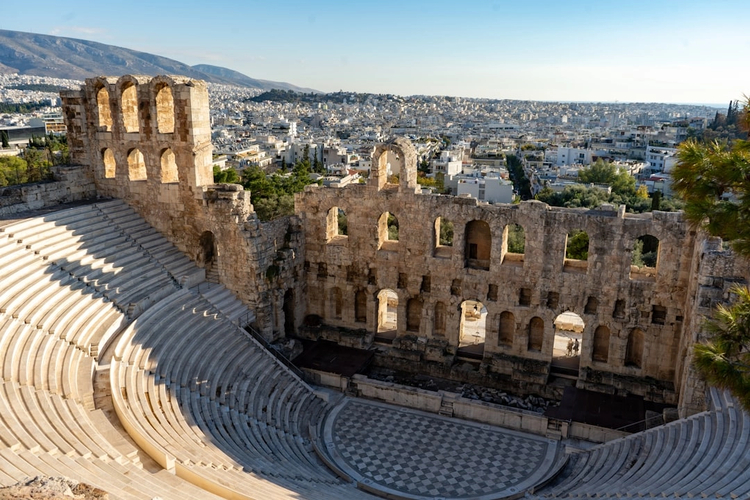
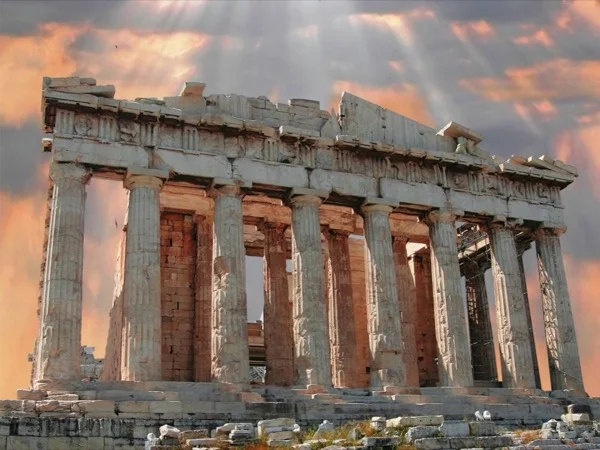
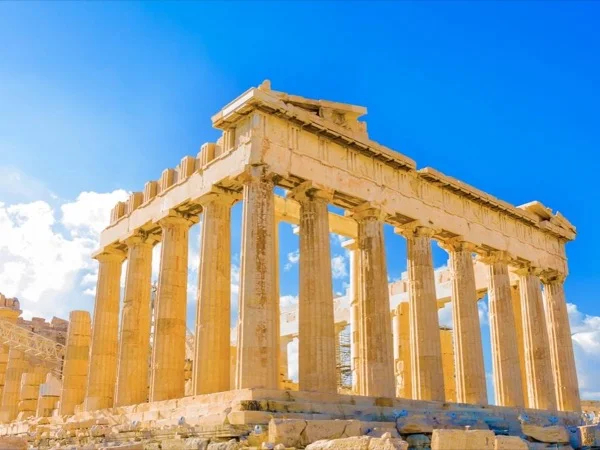
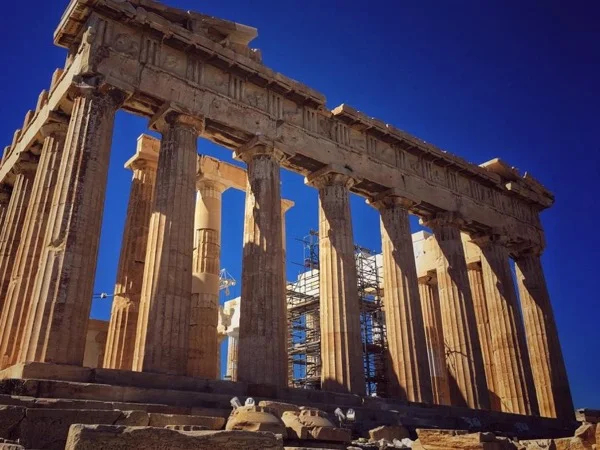
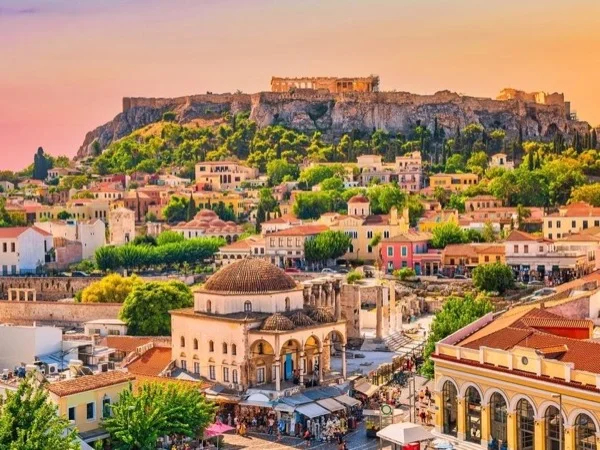
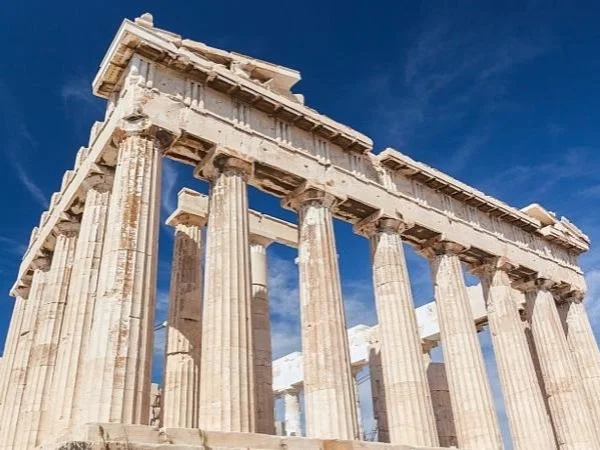
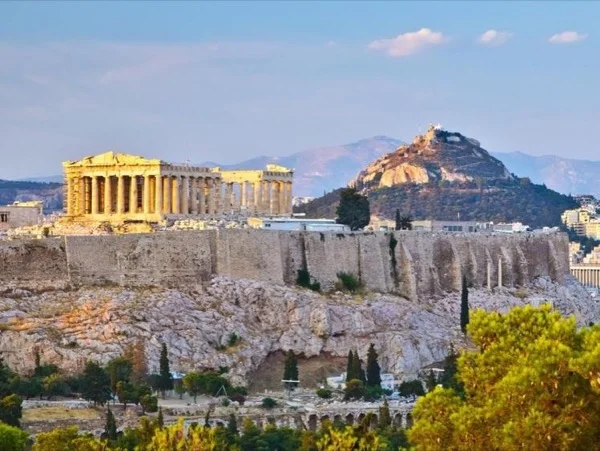
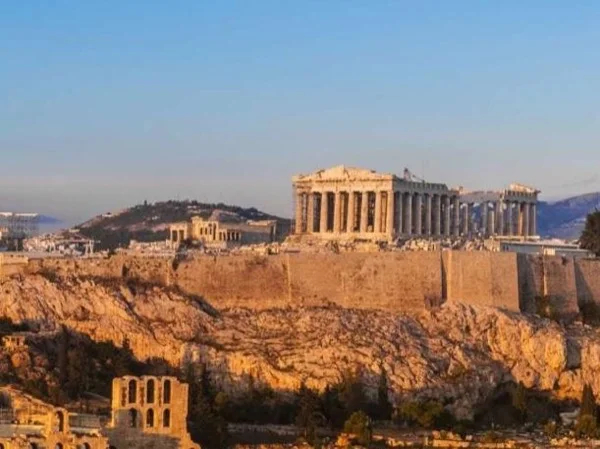
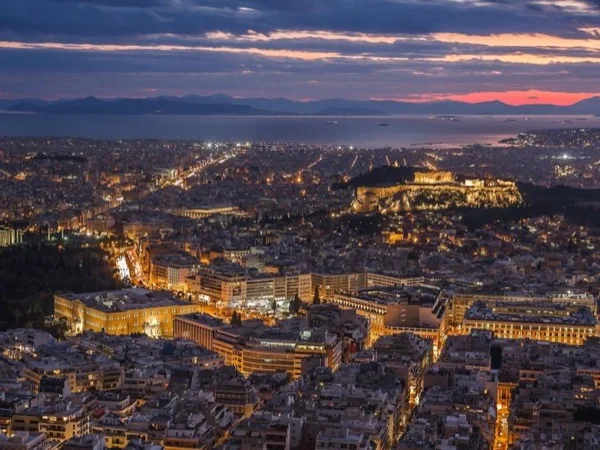
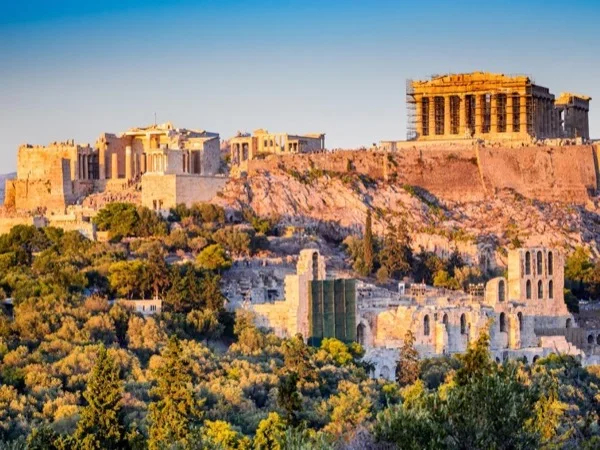
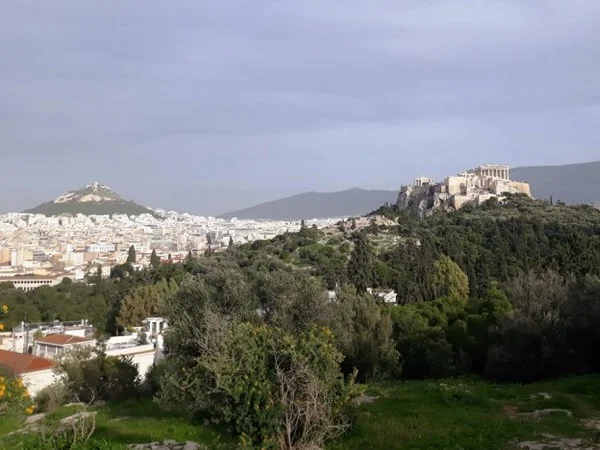
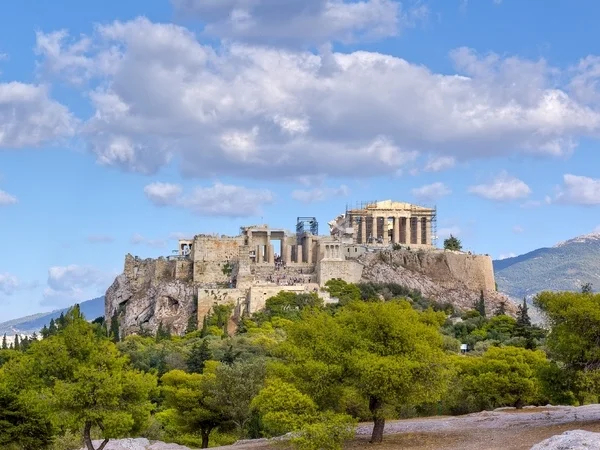
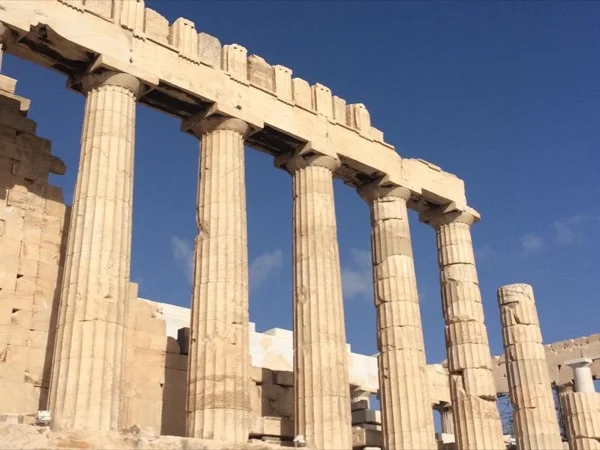
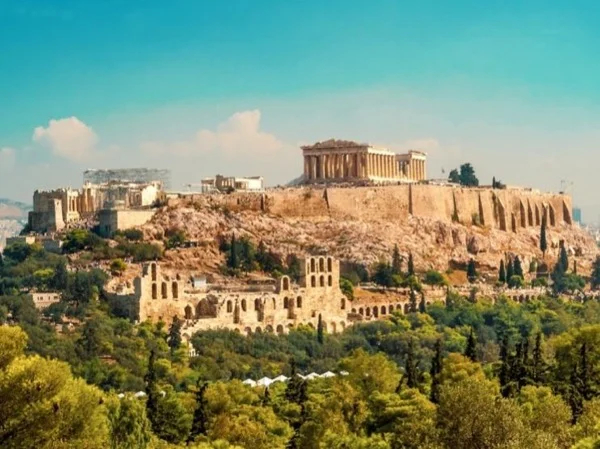
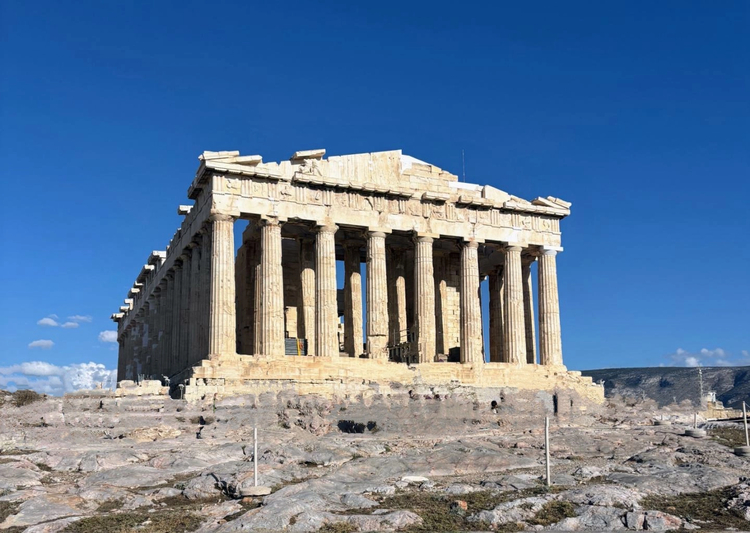
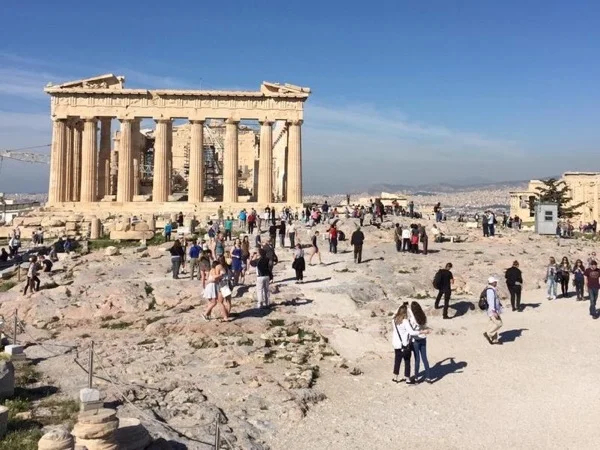
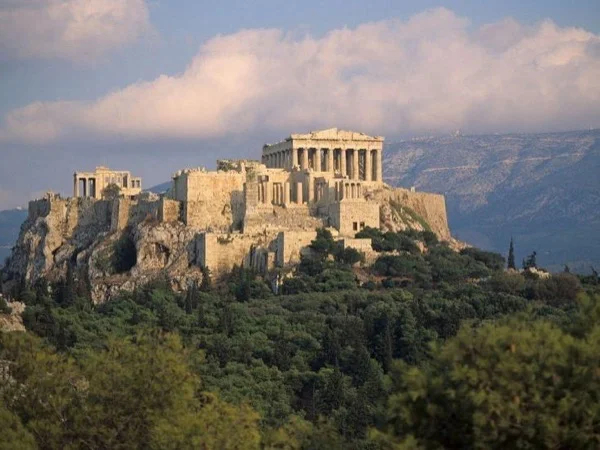
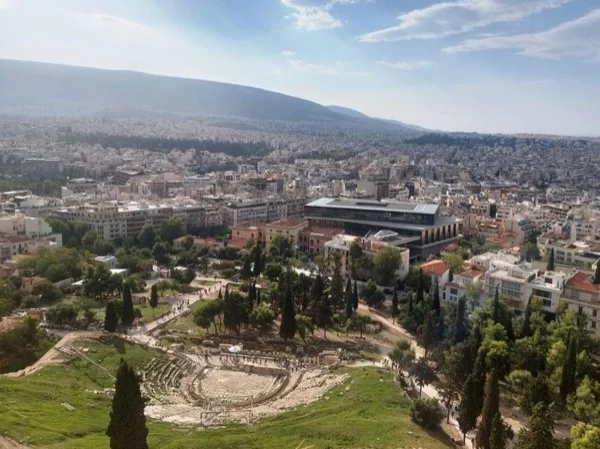
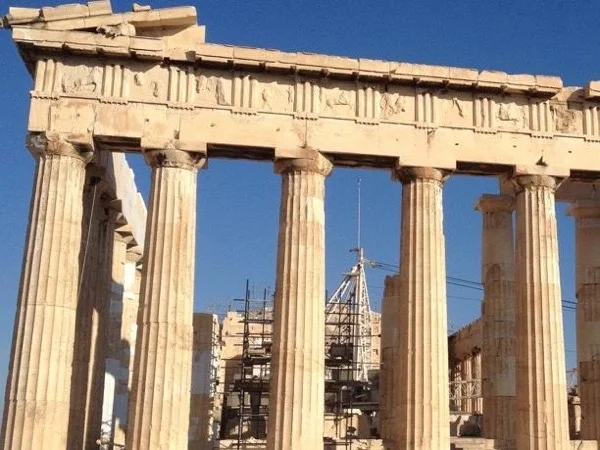
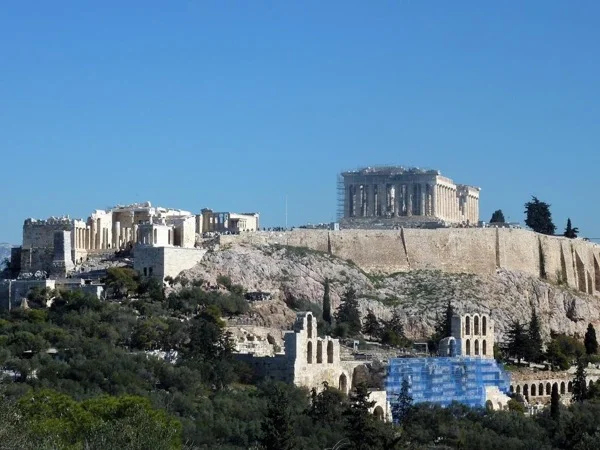
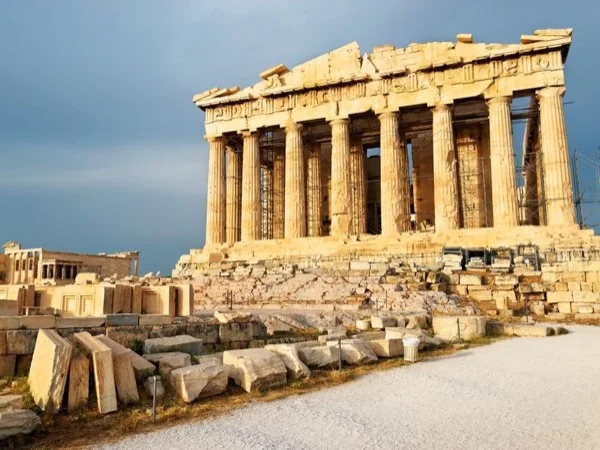
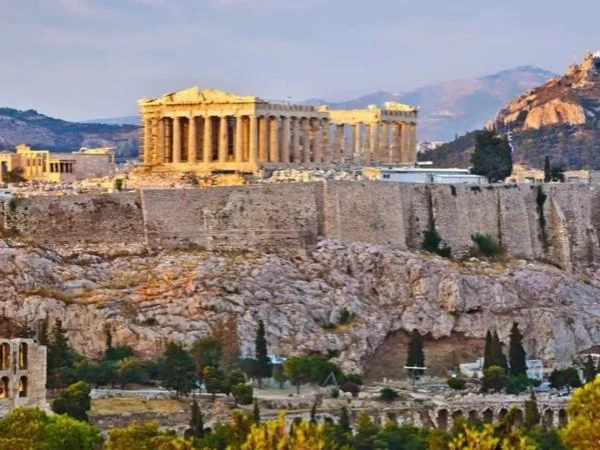
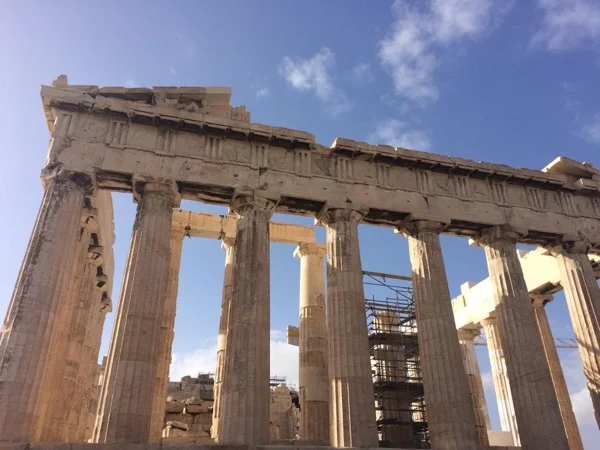
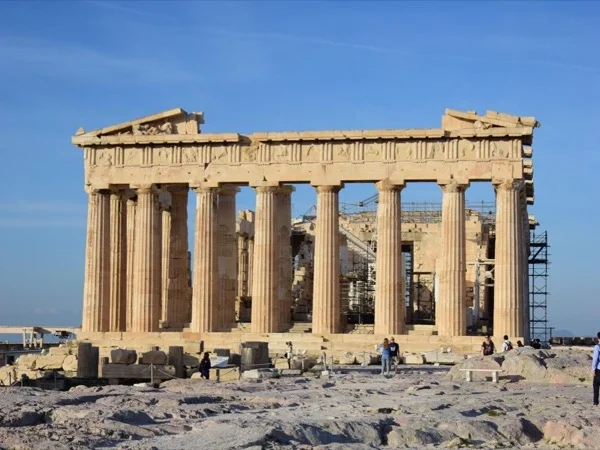
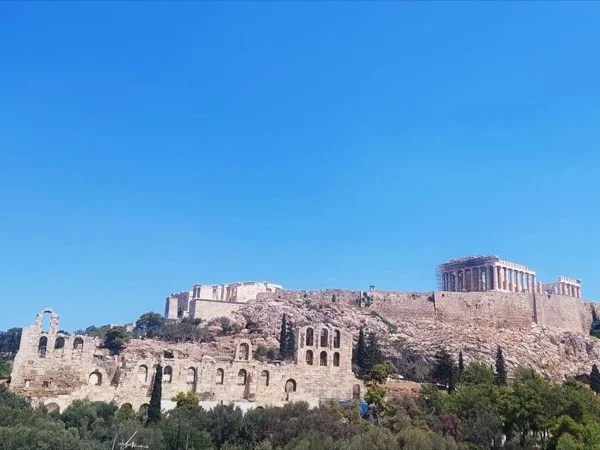
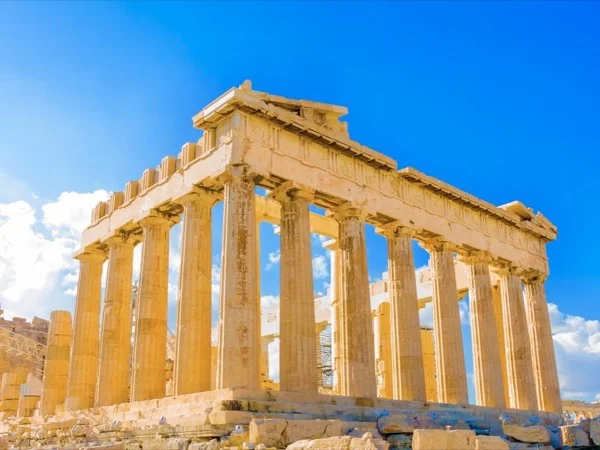
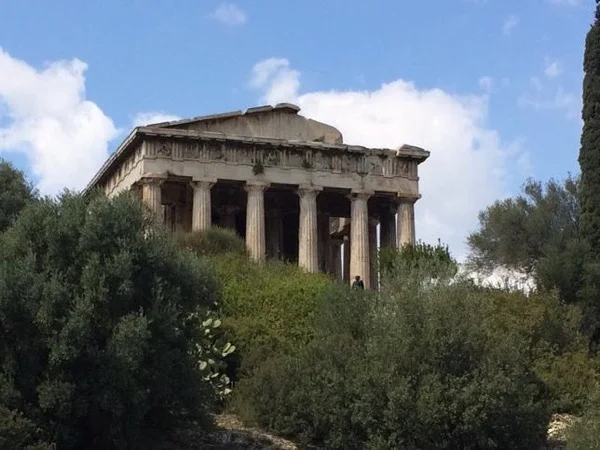
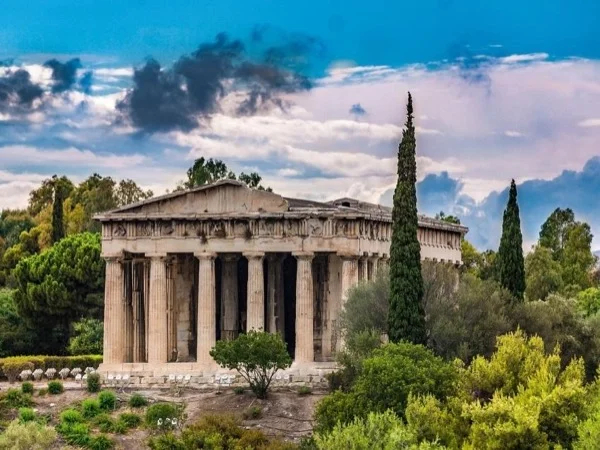
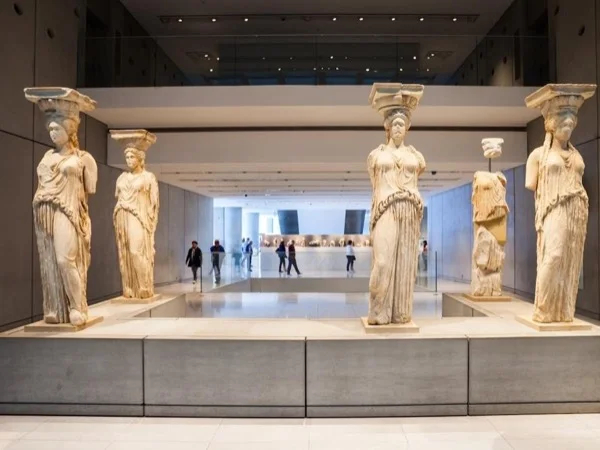
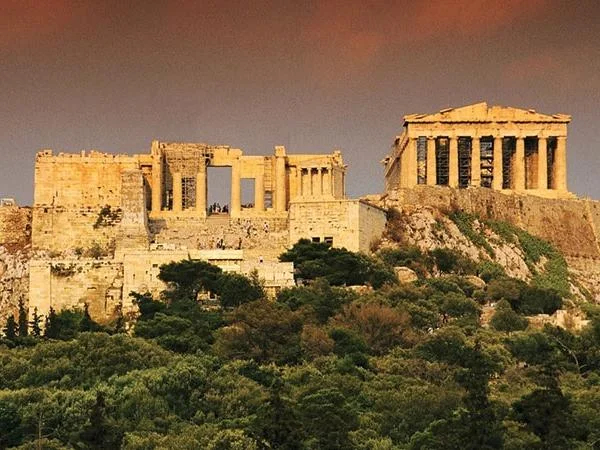
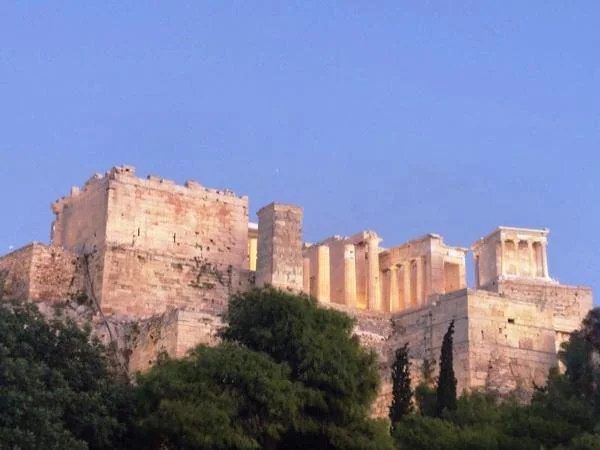
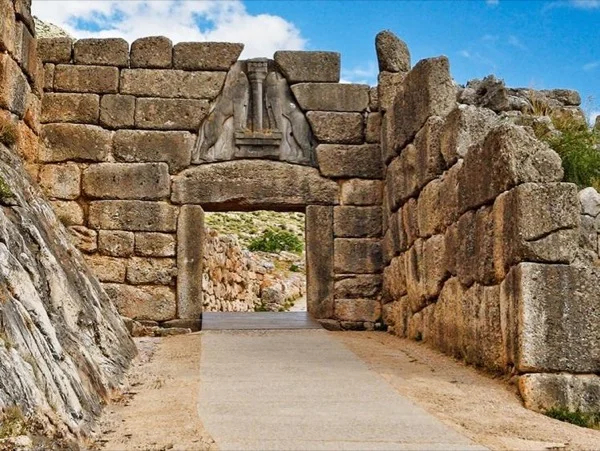
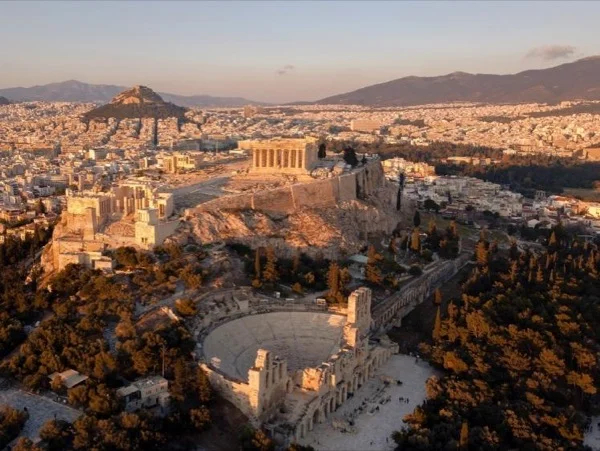
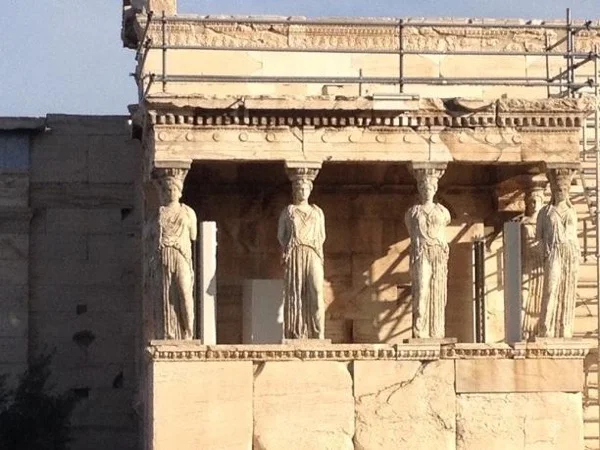
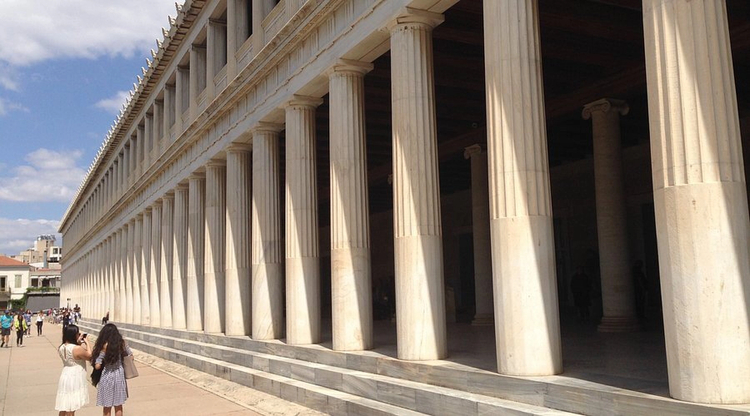
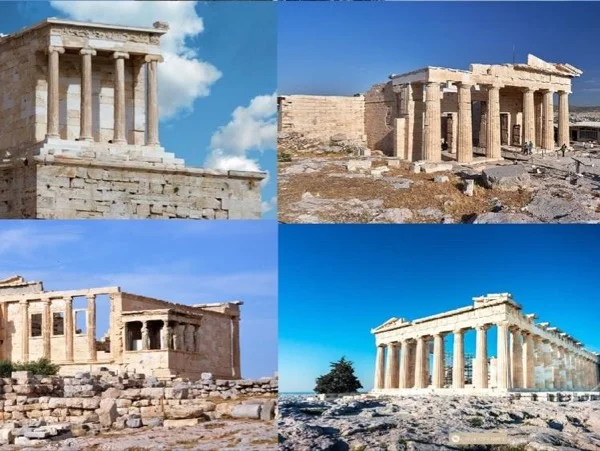
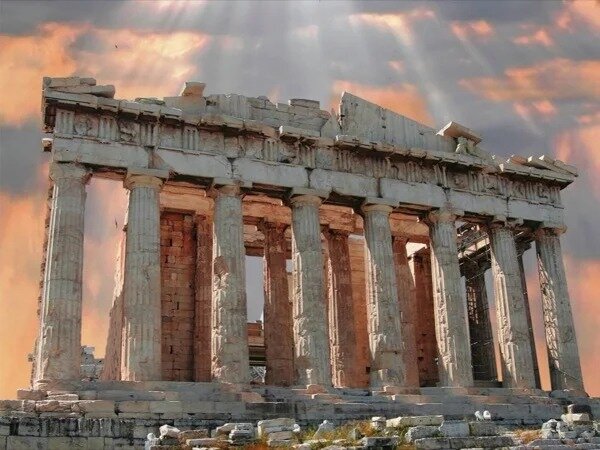
A limestone hill overlooking Athens carried sanctuaries and settlement long before the buildings most visitors picture today were built. Occupation on the summit goes back to the Mycenaean period, and it already served as a sanctuary in the Archaic era, but the monuments that define the site now date to one particular moment. Persian forces had damaged the earlier sanctuaries during the Persian Wars. That destruction set up the rebuilding that followed. The Athenian statesman Pericles directed the new building programme in the fifth century BC, using it to present Athens as the leading power of the Greek world rather than simply replacing what had been lost.That programme centred on the Parthenon. Ictinus and Callicrates designed the temple in the Doric order for Athena Parthenos, and the sculptor Phidias supervised its decoration and created the large cult statue that once stood inside it. The statue itself is gone. What remains is the temple's structure, and its proportions still show the scale of what Pericles's building programme was trying to achieve on that hill.The approach to the summit was designed with just as much care. The Propylaea served as a ceremonial gateway onto the hill, while the smaller Temple of Athena Nike marked a specific victory. That approach set the tone for the climb. The Erechtheion took on a different role, bringing several ancient cults together on ground linked to the legendary contest between Athena and Poseidon. Its Porch of the Caryatids is held up by carved female figures instead of plain columns, giving the building a lighter, Ionic character next to the heavier Doric lines close by. Seeing both orders on the same hill makes the contrast between them easy to notice in person.None of these buildings stood apart from daily life in ancient Athens. They marked the route of the Panathenaic festival, when a procession crossed the city and climbed toward Athena's sanctuary, tying the architecture to religious and civic life at once. Use of the site kept changing long after antiquity. Temples became churches, then residences and military posts, and under Ottoman rule the Parthenon served as a mosque and garrison. An explosion damaged the building in 1687, and sculptures were removed from the site in the early nineteenth century. Each of those changes left a trace, so what stands on the hill now reflects several centuries layered on top of each other rather than a single period.Walking the hill today means moving through steep, uneven terrain rather than a flat, curated space. A private guide on ToursByLocals can connect that setting to the layered history behind it, pointing out the differences between Doric and Ionic detailing, describing how colour and sculpture once covered the marble, and adjusting the pace to suit the climb and how you'd like to explore. Some travellers treat the Acropolis as a complete visit on its own; others continue on to the Acropolis Museum or the Ancient Agora nearby, carrying the story from sacred architecture into the city's civic and archaeological life. Either direction can be shaped around personal interests, available time and pace.