Sensoji Temple private tours
107 results
Private tours of Sensoji Temple

Every tour is private, no strangers, just you and your guide
Prices are per tour, not per person. Some tours include per-person extras like tickets or meals, shown when you set your party size. Enjoy a private experience with exceptional value.






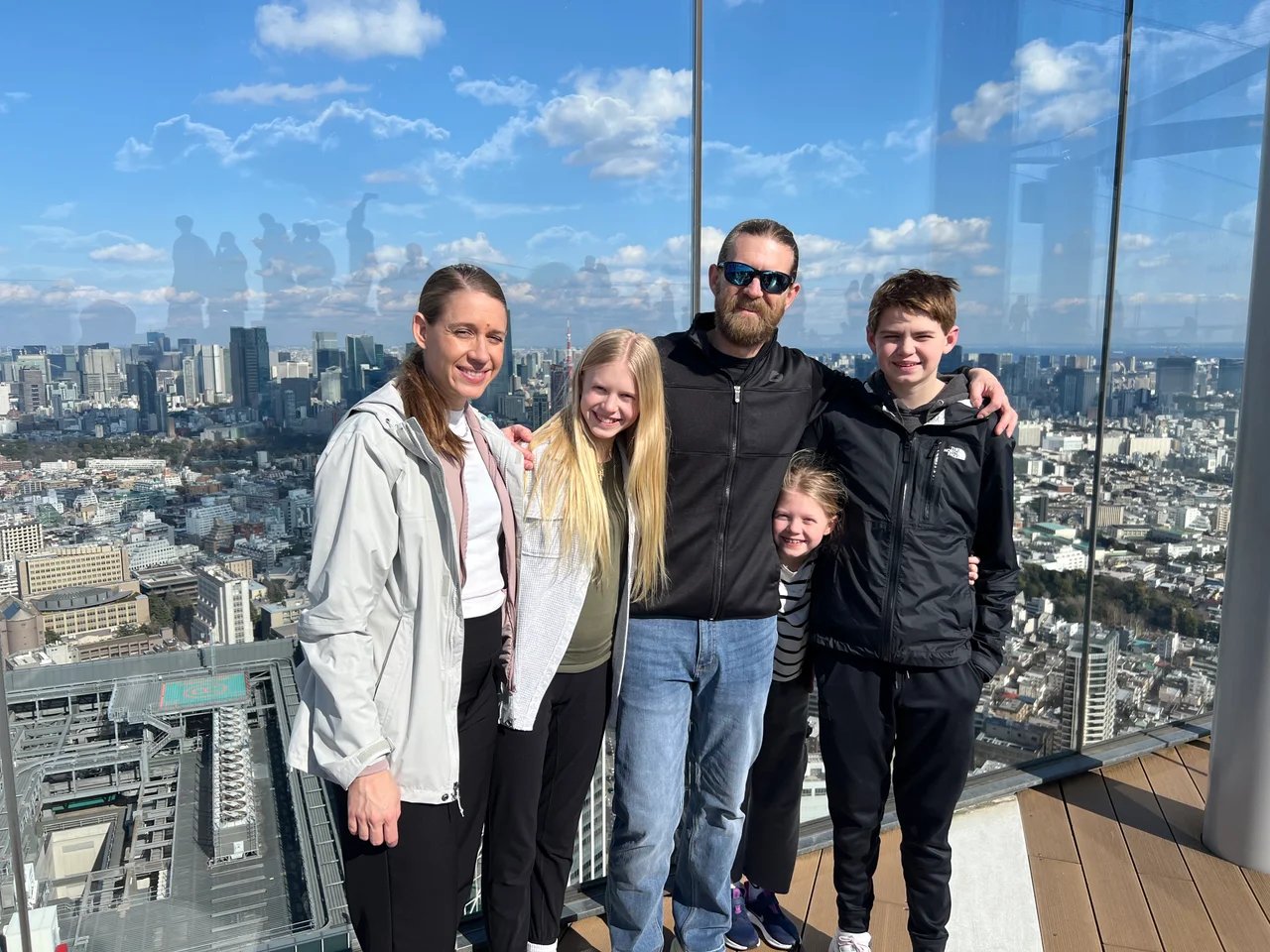
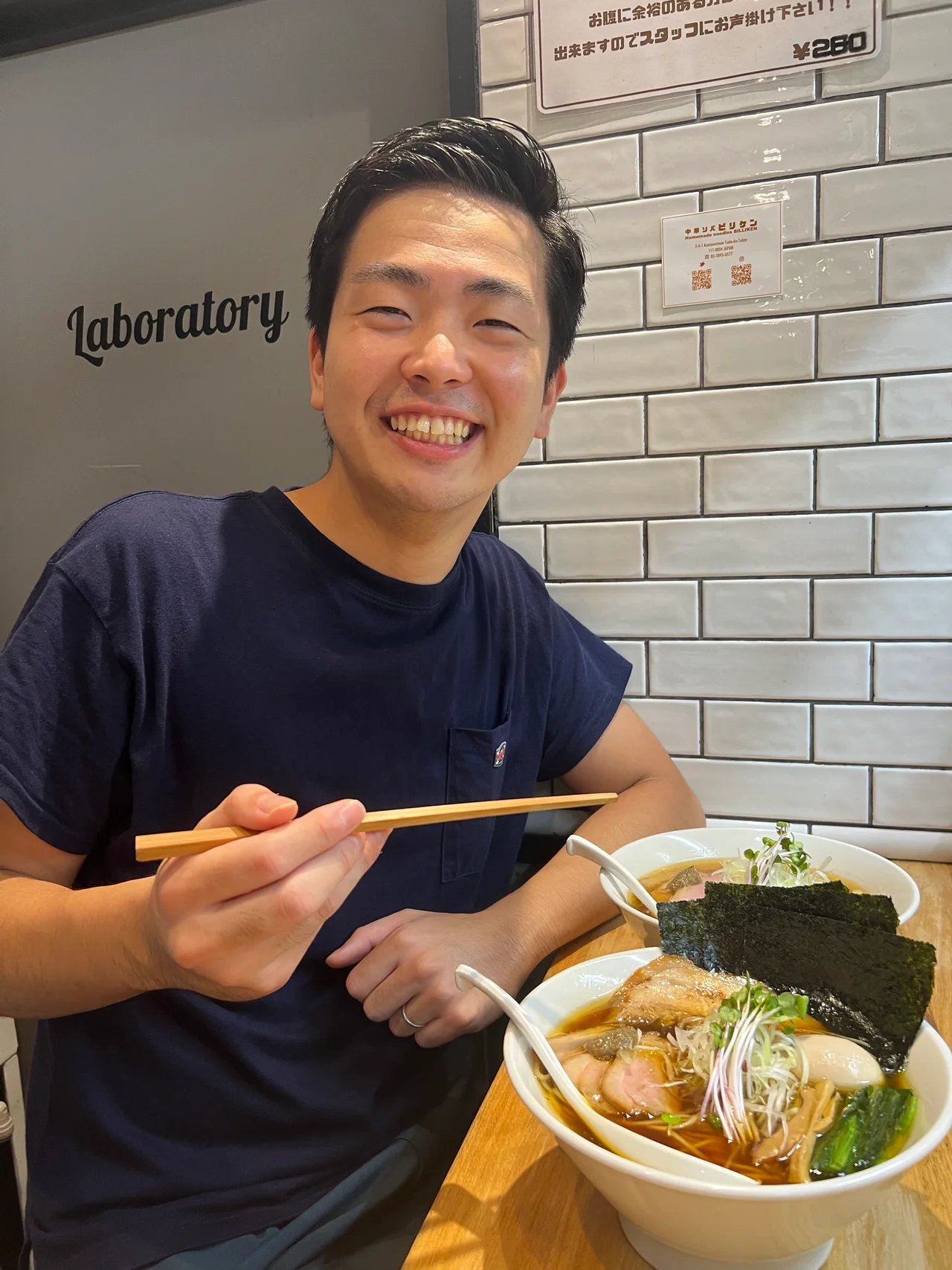
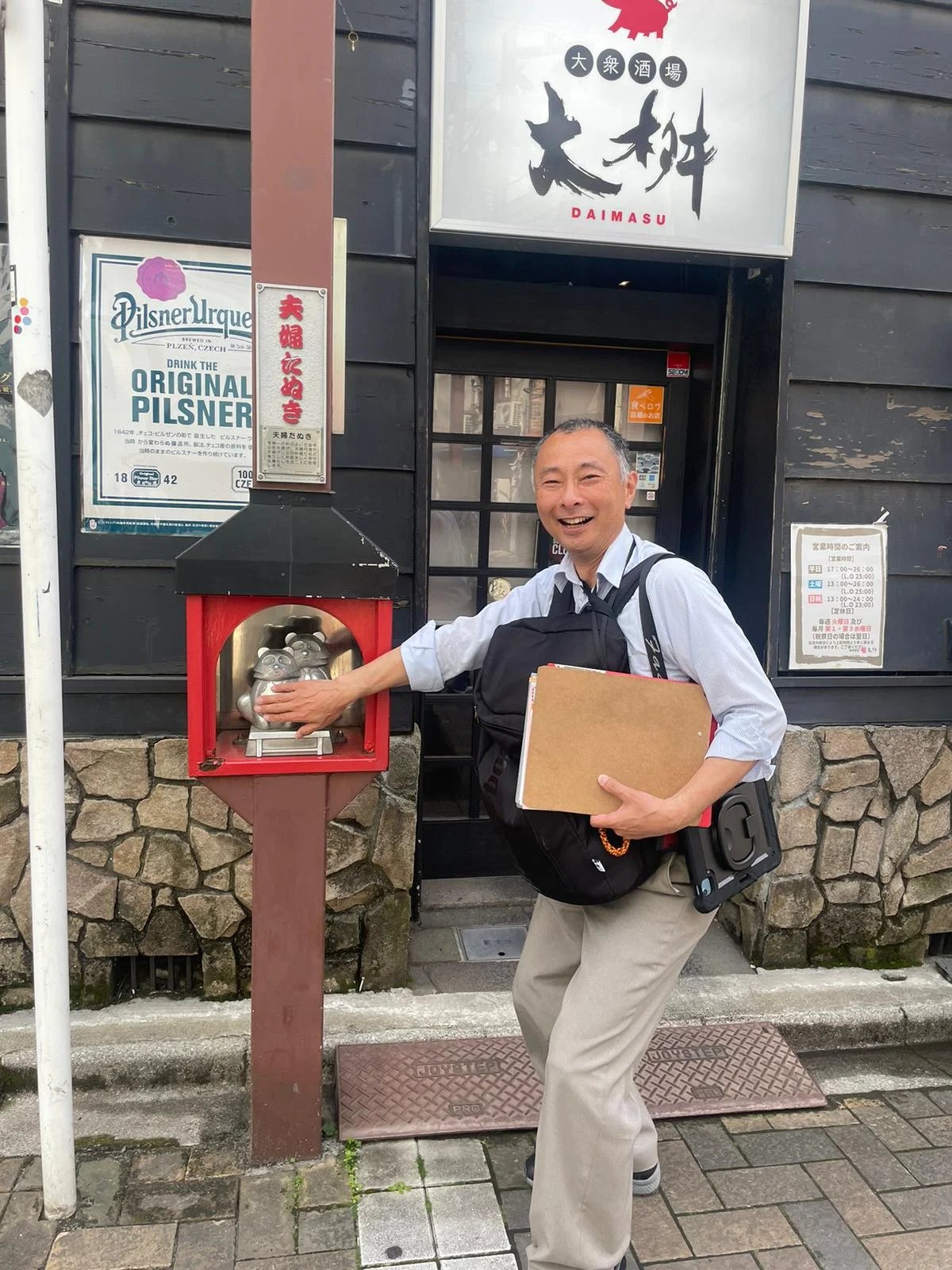



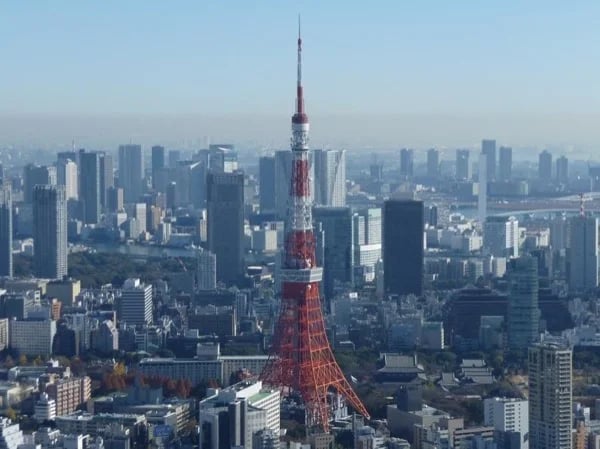
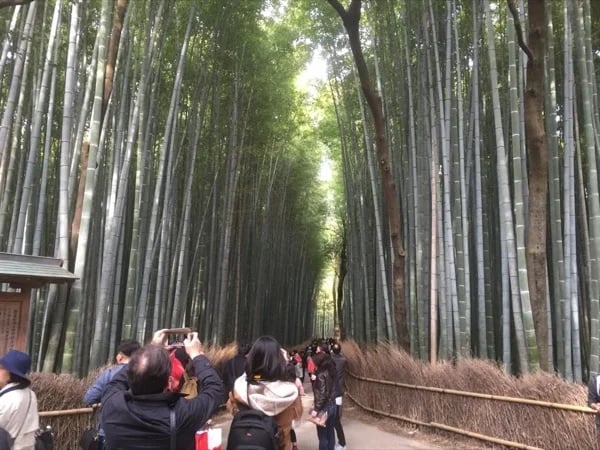
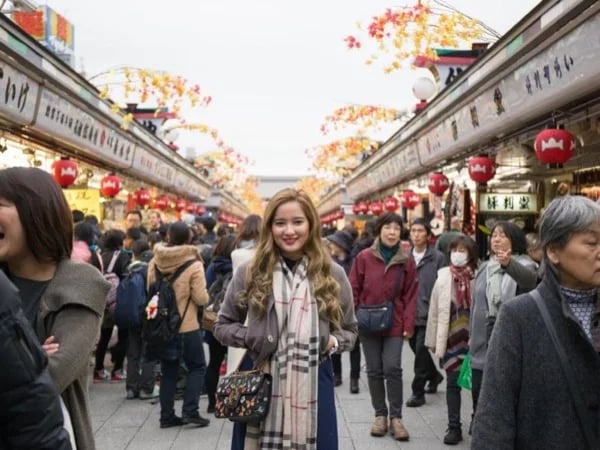

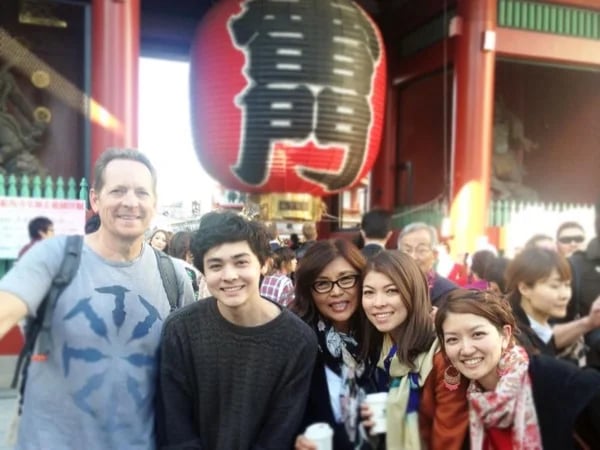




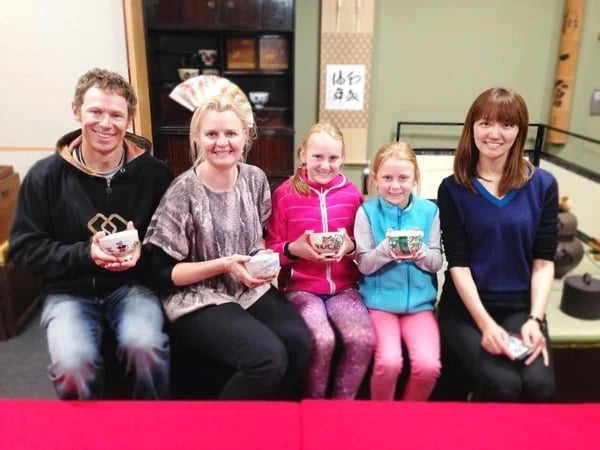
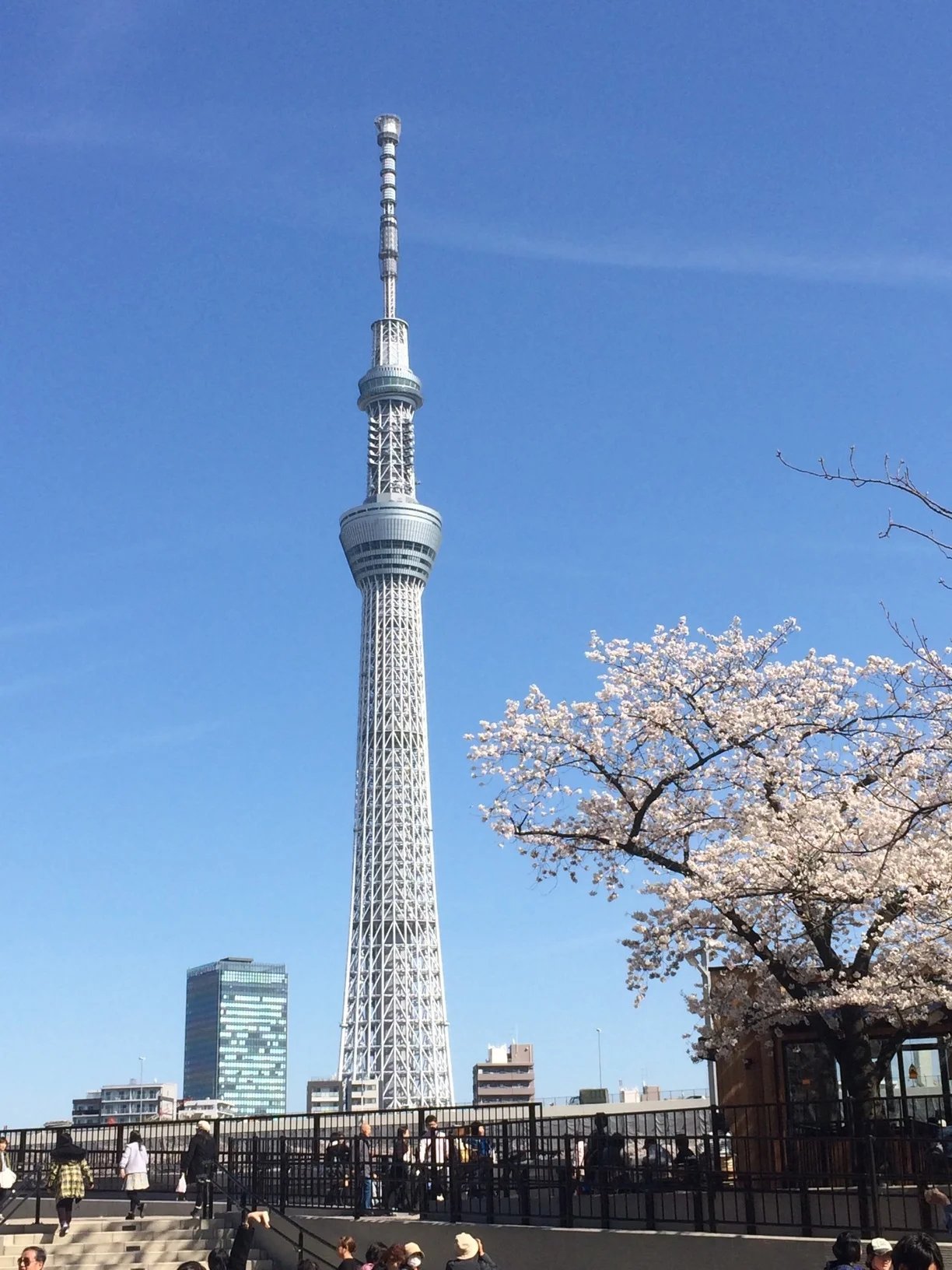
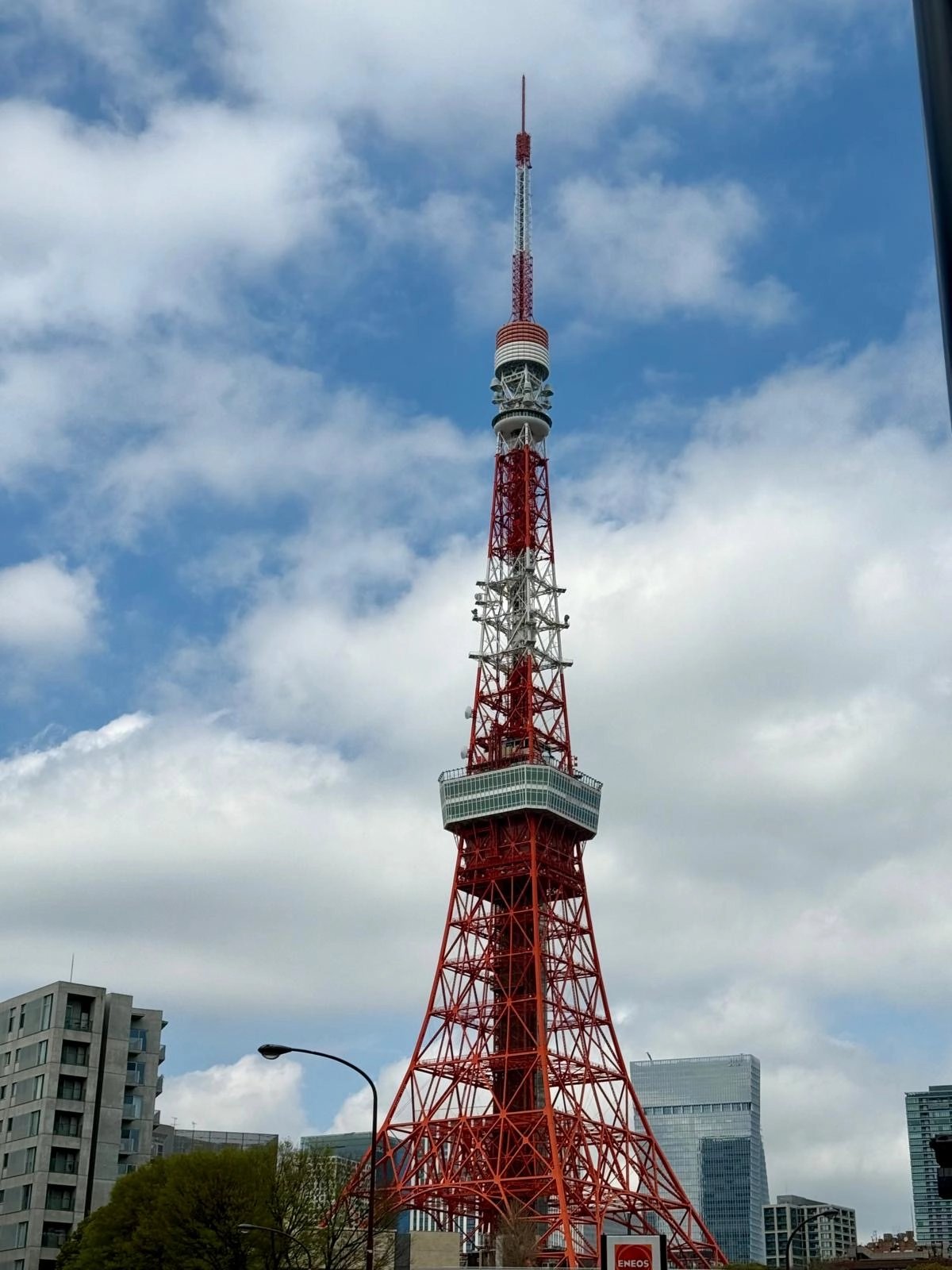
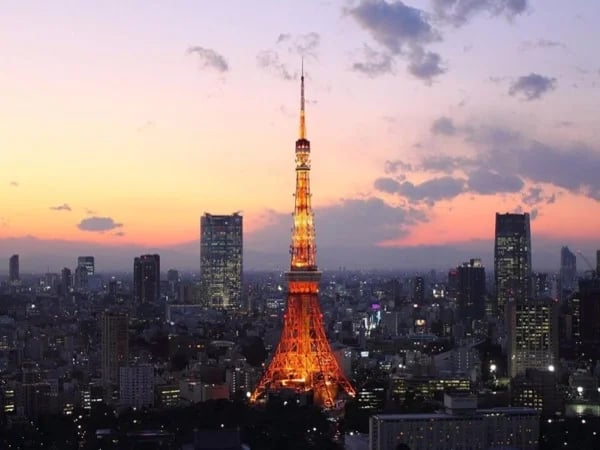
Meet your local guides in Sensoji Temple

Make it yours

Customize your tour
Get in touch with the guide to create an itinerary that's the perfect fit and uniquely yours
Sensō-ji Temple tours
See the best of Sensō-ji Temple with a private guide
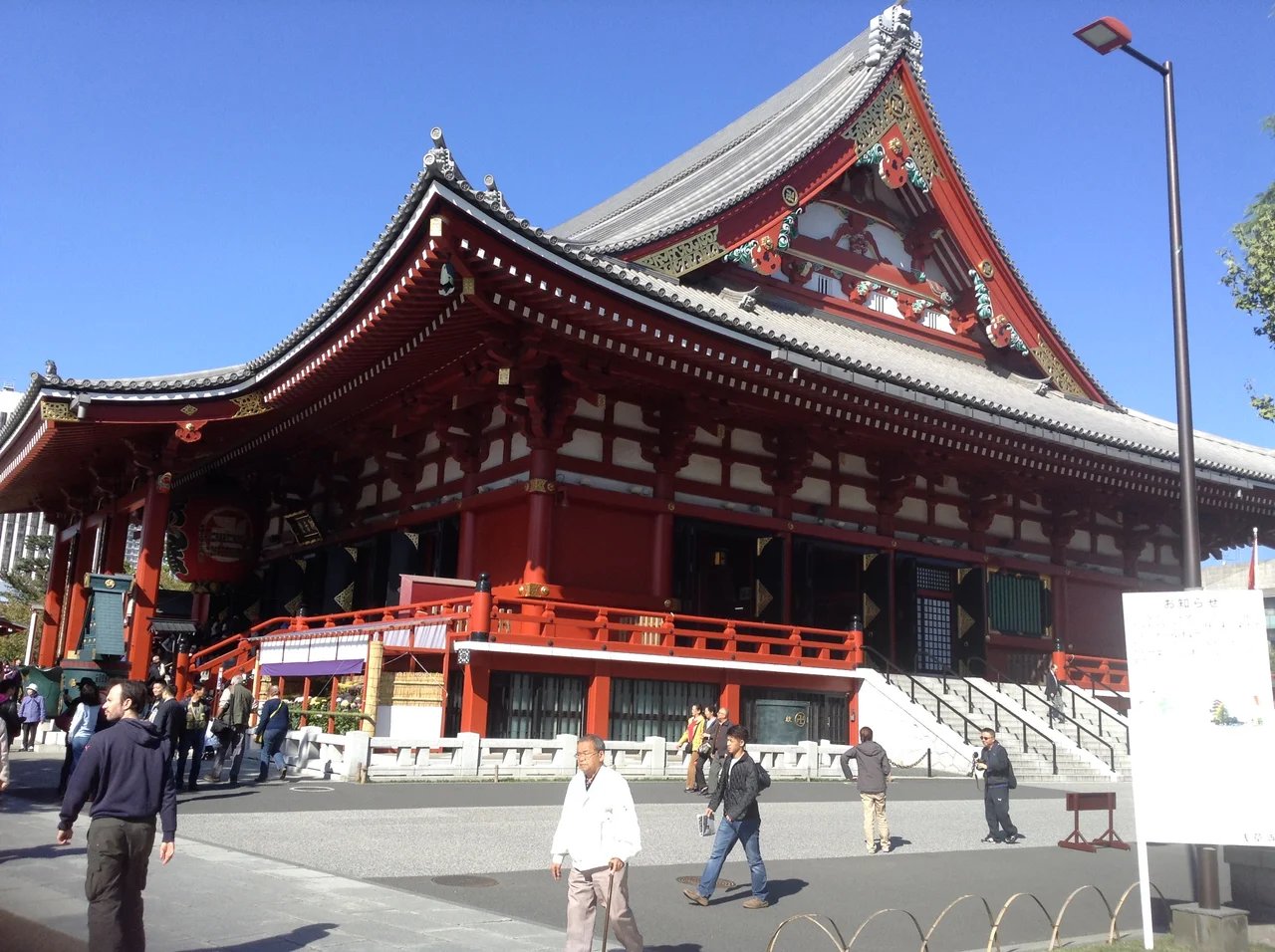
The image at the centre of Sensō-ji has never been put on display, yet an entire district in Asakusa grew up around it. According to the temple's founding account, two fishermen brothers, Hinokuma Hamanari and Takenari, pulled a small figure of Kannon from the Sumida River in 628. The village head, Haji no Nakatomo, recognised it as the bodhisattva of compassion and turned his own house into a place of worship. In 645, the priest Shōkai built a proper hall for the image and sealed it away. It has stayed hidden ever since. Nobody actually sees the object everyone comes to honour.
Support from military rulers during the Kamak...
The image at the centre of Sensō-ji has never been put on display, yet an entire district in Asakusa grew up around it. According to the temple's founding account, two fishermen brothers, Hinokuma Hamanari and Takenari, pulled a small figure of Kannon from the Sumida River in 628. The village head, Haji no Nakatomo, recognised it as the bodhisattva of compassion and turned his own house into a place of worship. In 645, the priest Shōkai built a proper hall for the image and sealed it away. It has stayed hidden ever since. Nobody actually sees the object everyone comes to honour.
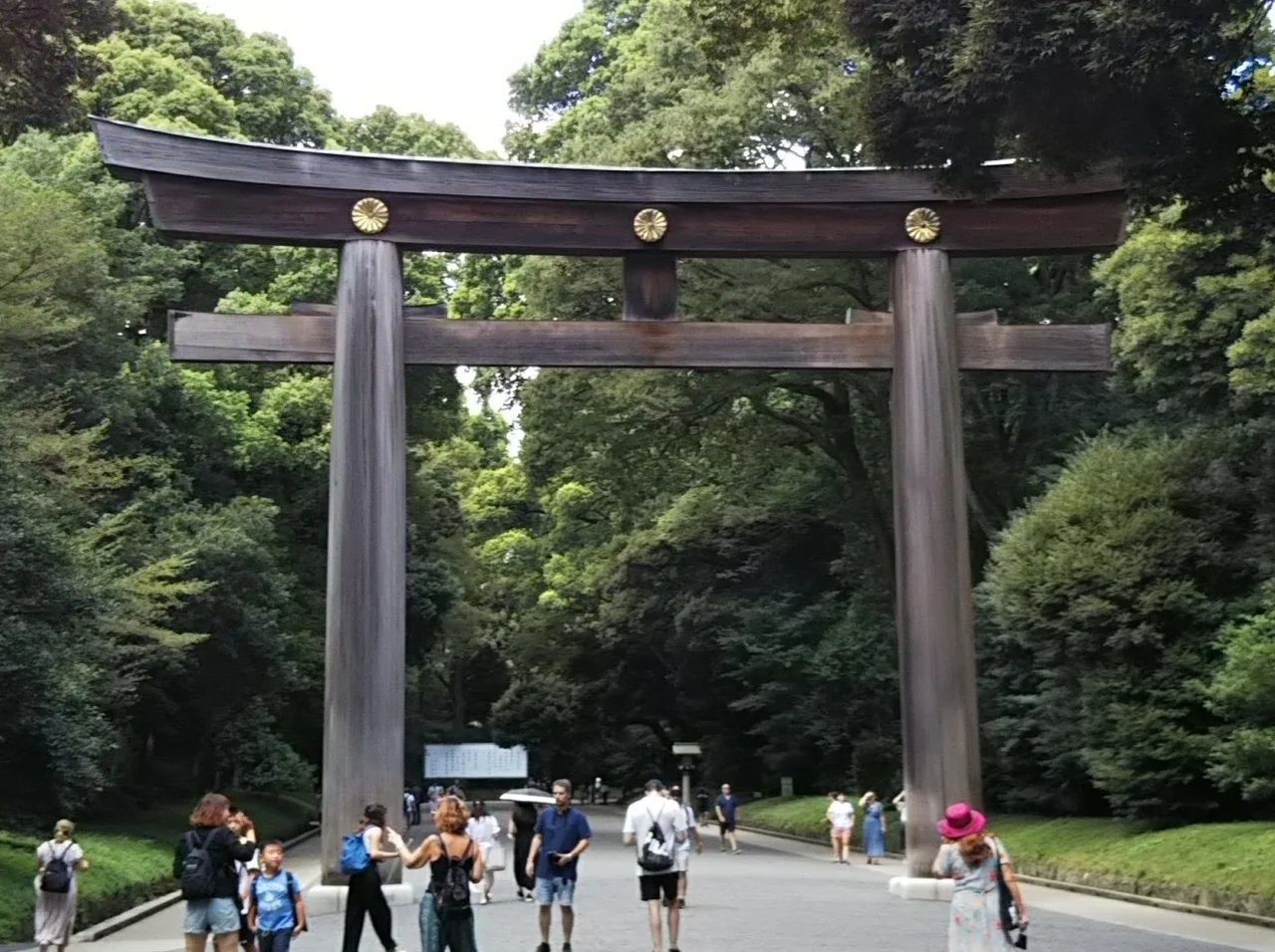
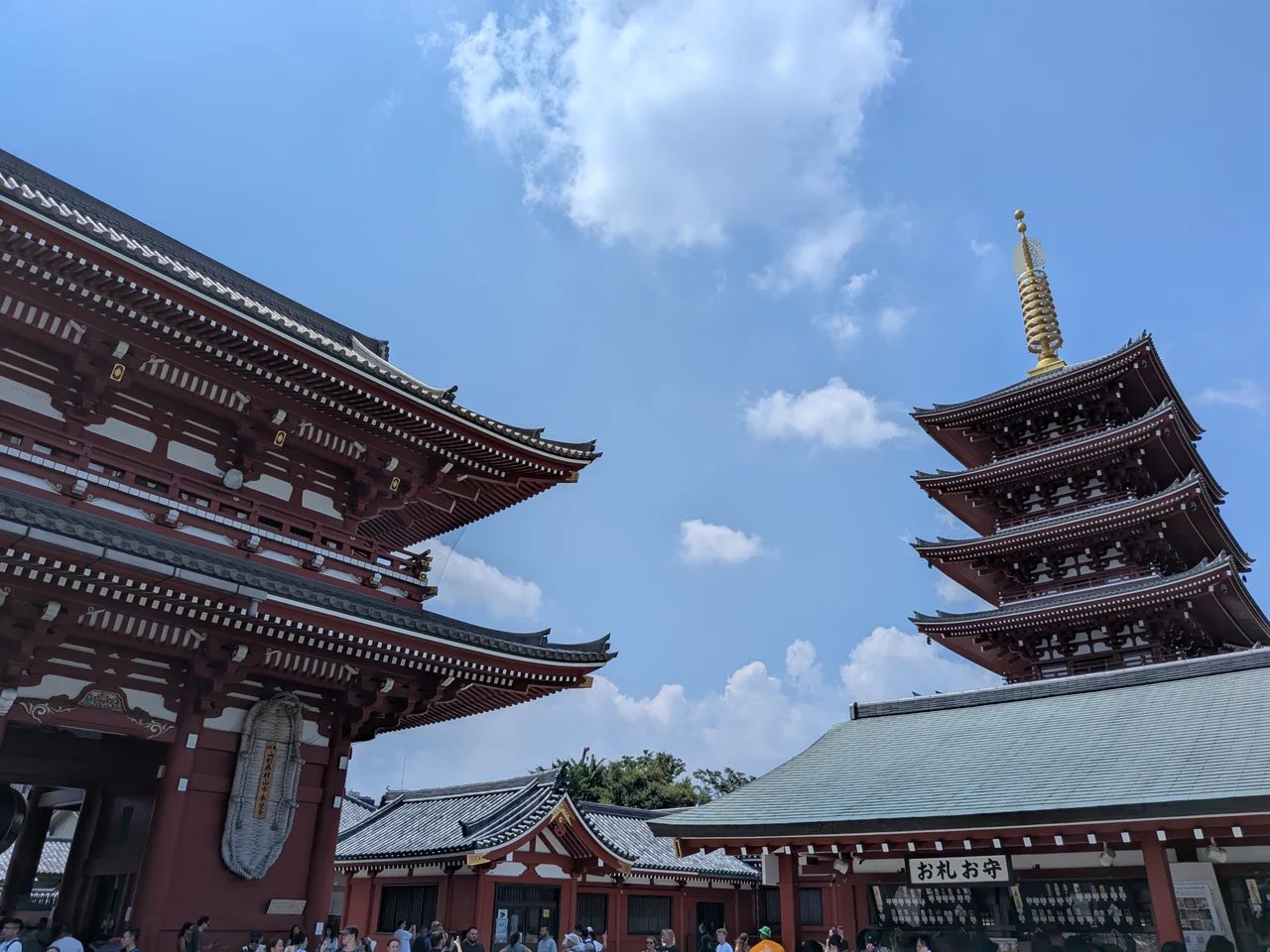
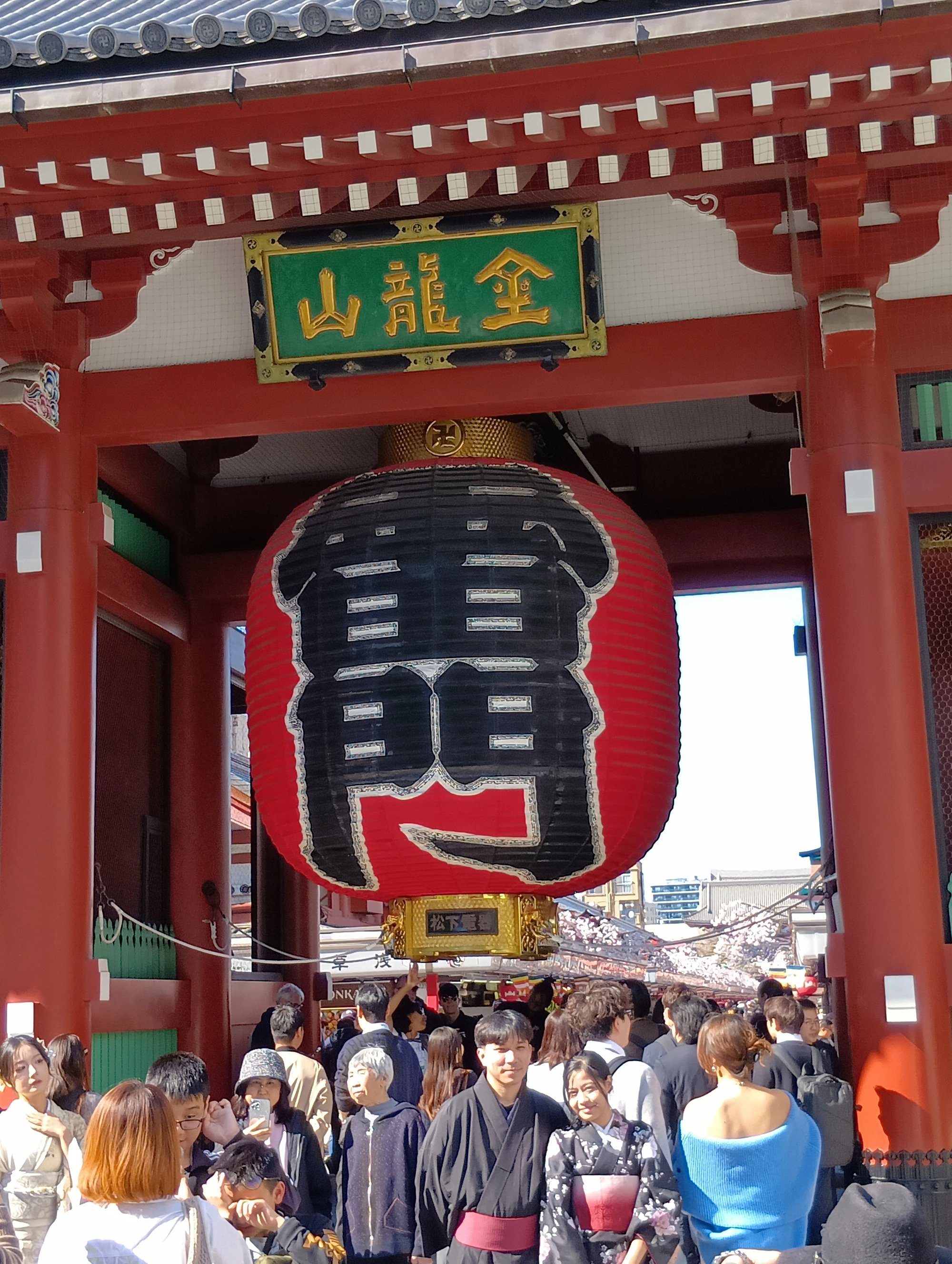
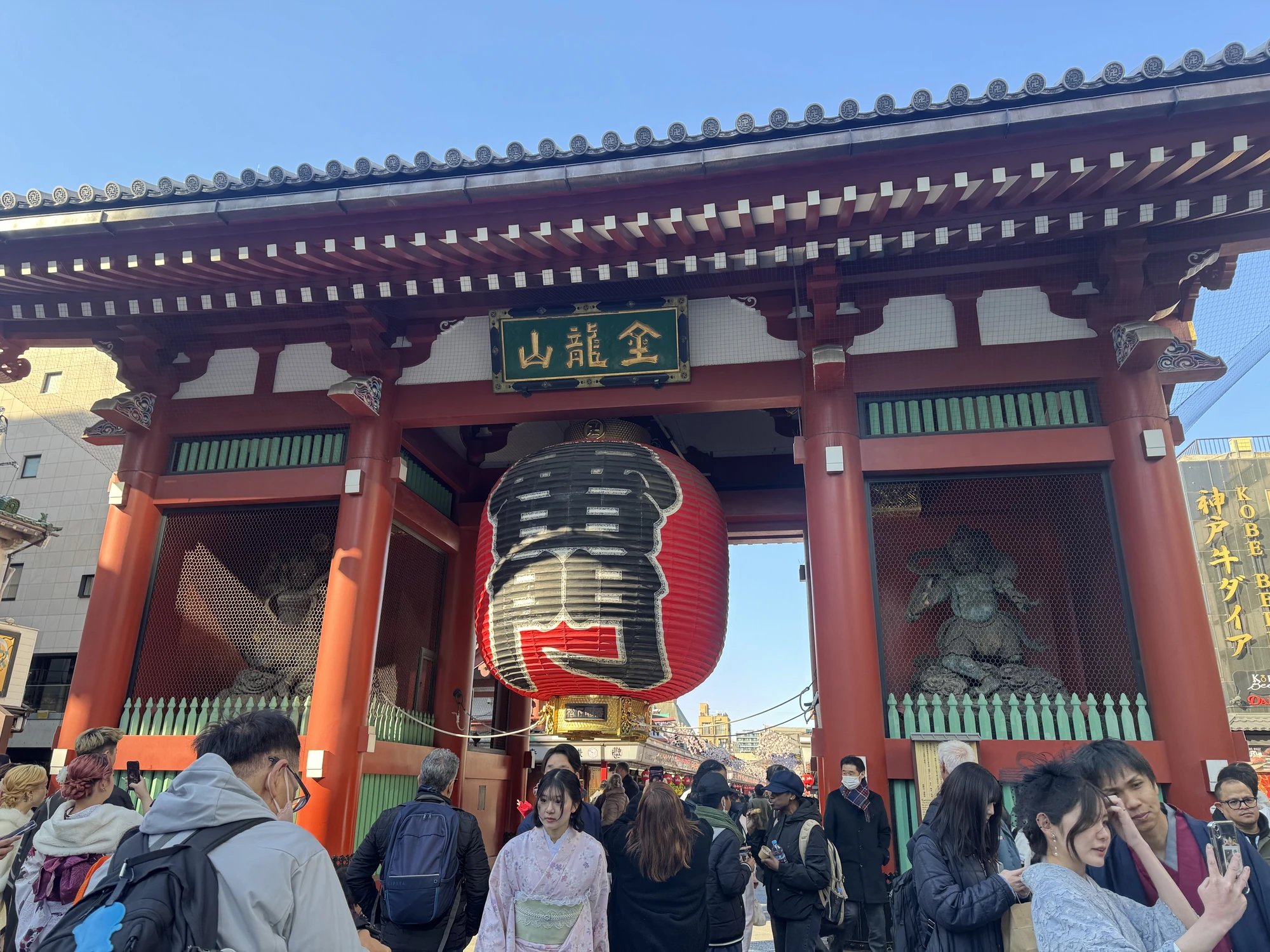
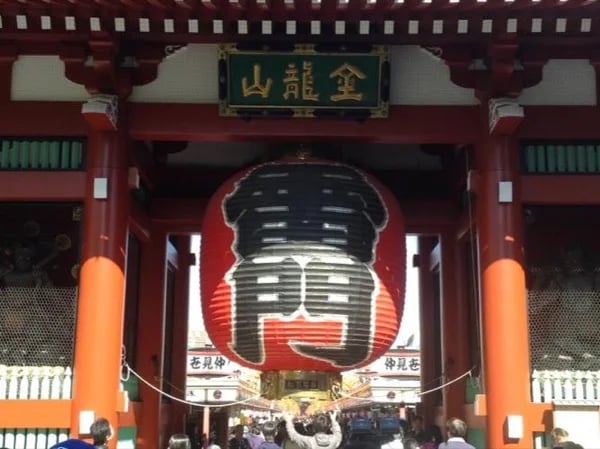
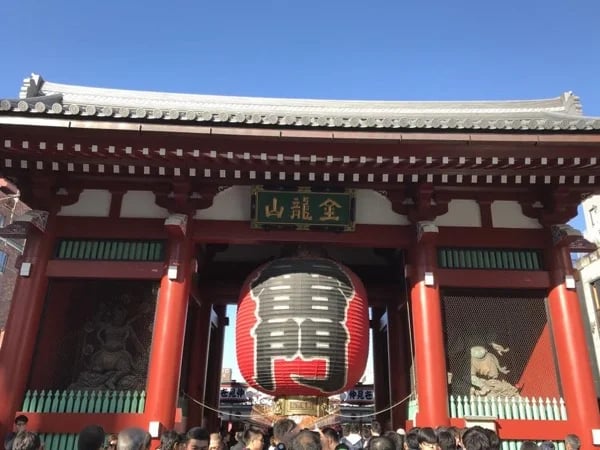
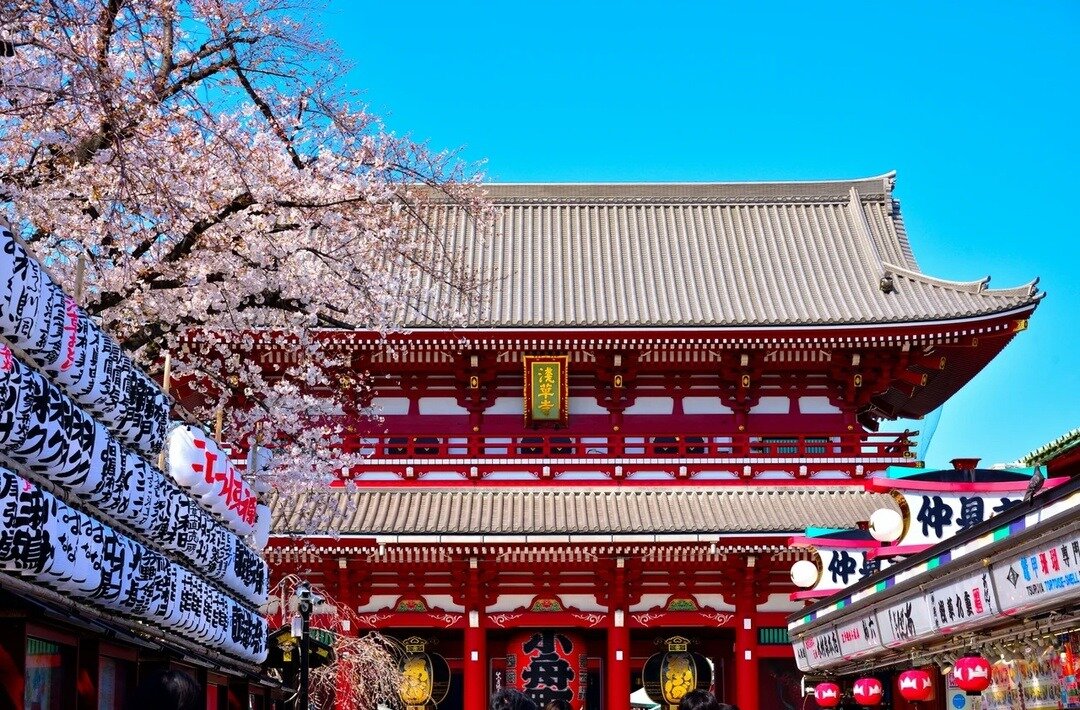
Support from military rulers during the Kamakura period gave the temple lasting political weight, and it later served as a prayer site for the Tokugawa shogunate. That patronage helped Asakusa grow beyond religion alone: as Edo expanded, the district filled with markets, theatres and popular entertainment alongside its pilgrims. Kaminarimon, the Thunder Gate, is watched over by deities of wind and thunder and opens directly onto Nakamise, a shopping street whose stalls grew up alongside the flow of worshippers rather than after them. Kaminarimon still marks that same threshold, so walking through it today means stepping into a commercial pattern built up over centuries.
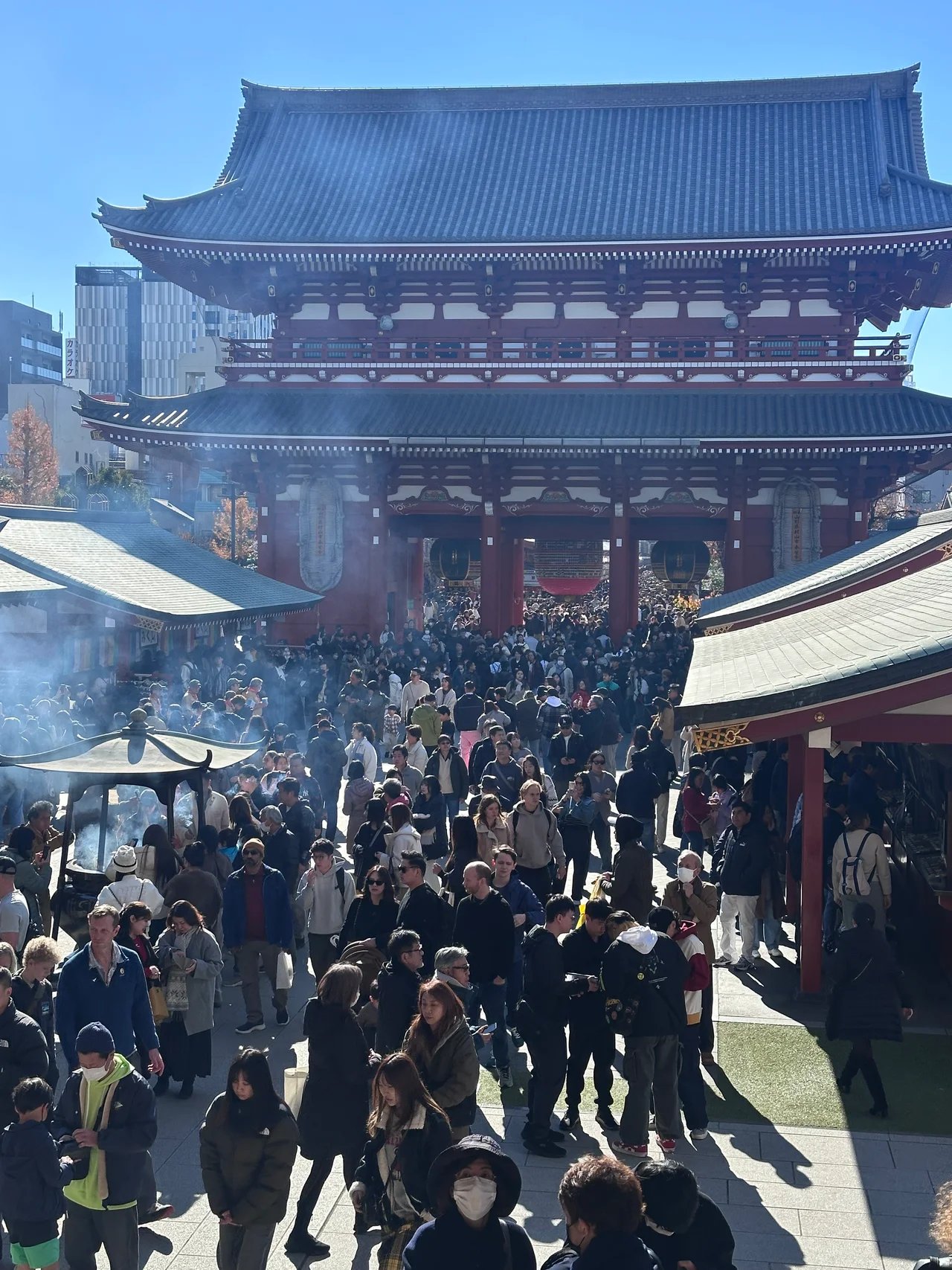
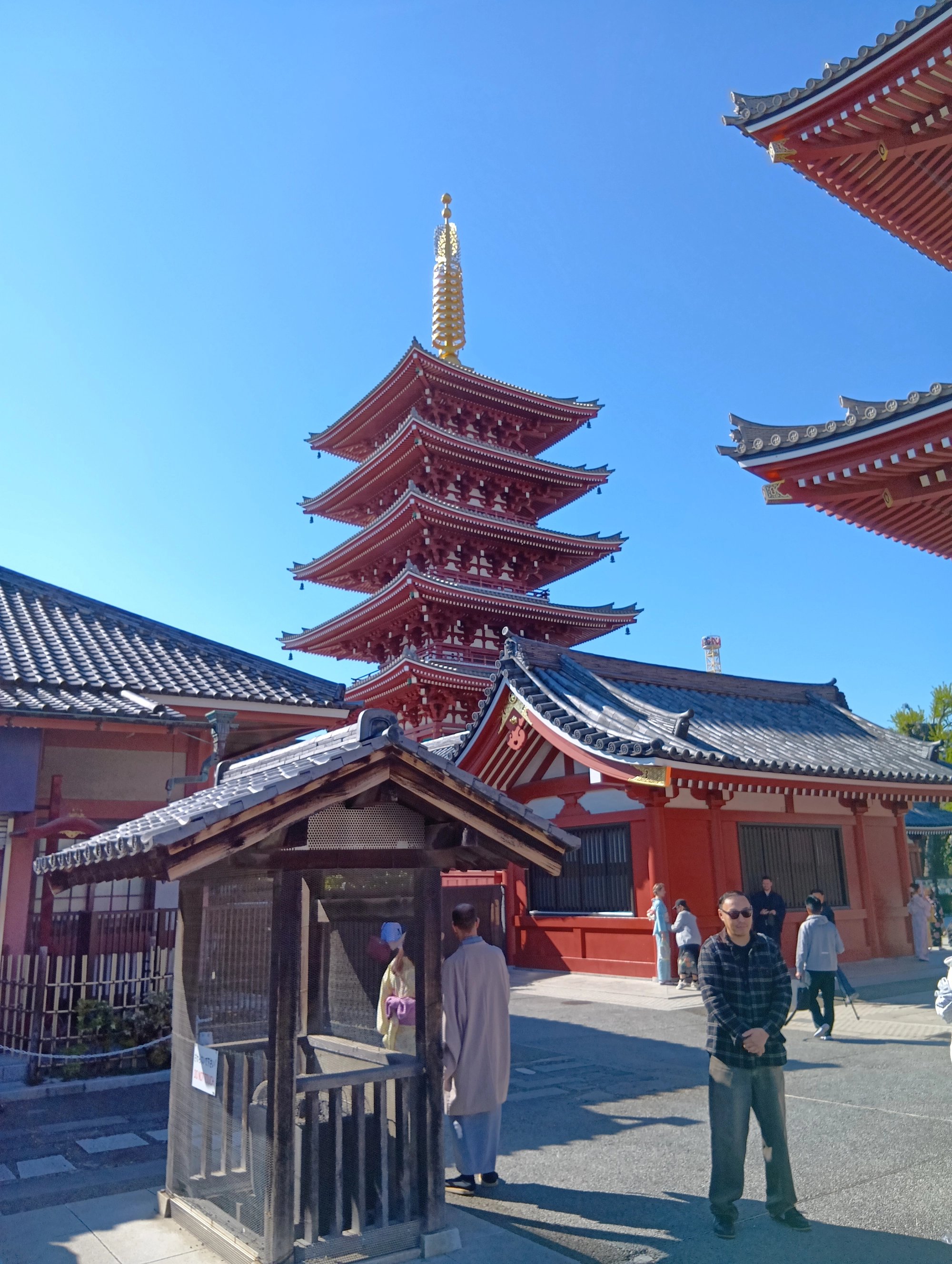
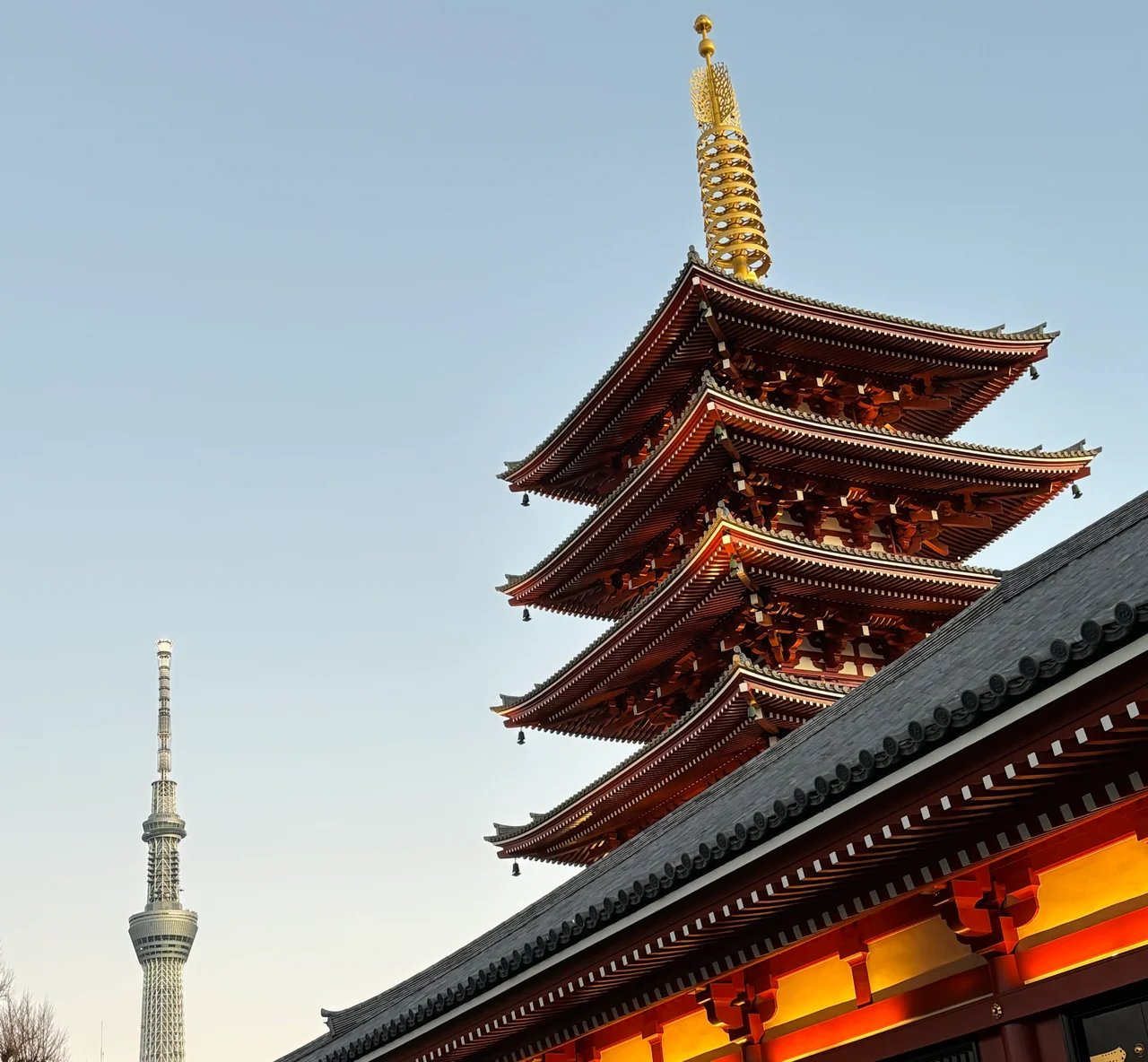
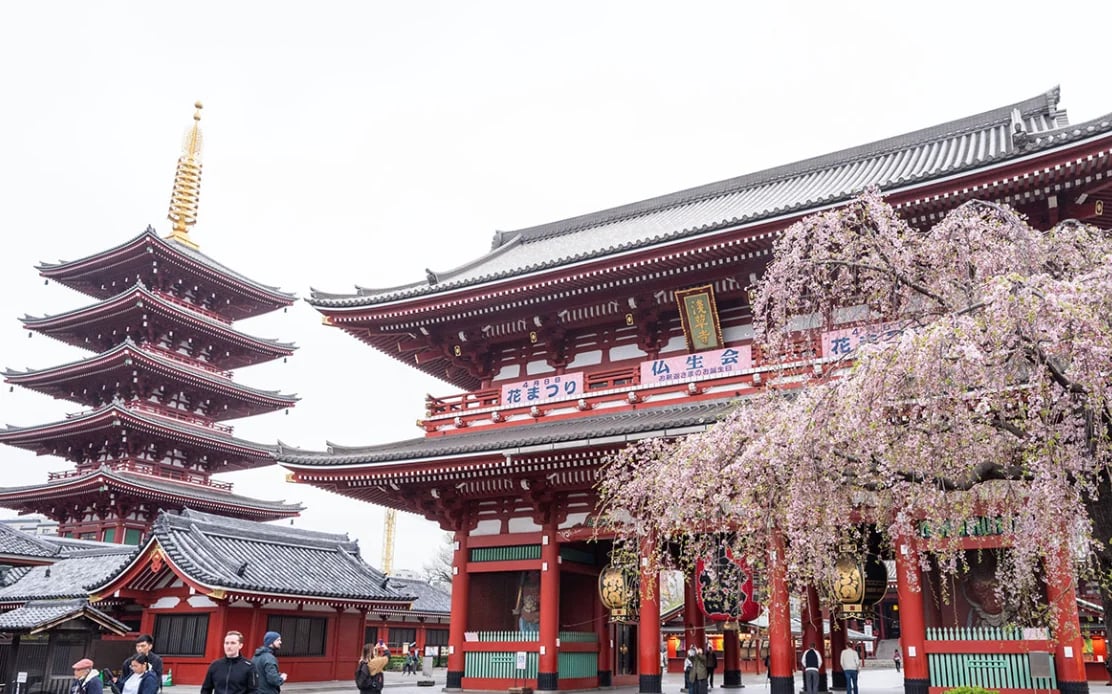
Past Kaminarimon, Hōzōmon marks the entrance to the inner precinct, where the Main Hall enshrines that concealed figure of Kannon. Incense drifts through the courtyard, and people purify themselves and make offerings much as they would at any working temple. None of this is staged for tourists. Much of what stands there is also not original construction: the Main Hall, Kaminarimon, Hōzōmon and the five-storey pagoda were all destroyed in the air raid of March 1945 and rebuilt afterward through public donations. That history might change how you read the buildings, less as survivors from an earlier century than as evidence of a community choosing to rebuild its spiritual centre after the war.
A visit moves through gates, halls and courtyards where crowds can make small details easy to miss. A private guide on ToursByLocals can separate those layers, distinguishing the seventh-century founding legend from Edo-era Asakusa and from the post-war rebuilding, while pointing out details that get overlooked in the crush. The route can flex, too. It can extend toward Nakamise-dōri, Asakusa Shrine, the Sumida River or the traditional craft shops of Kappabashi for a fuller sense of how the area fits together, depending on your own interests and pace.
What travellers say
Traveller reviews in Sensoji Temple
Haruo took us to an absolute excellent tour. As a Highschool teacher he is very knowledgeable about Japanese history and his English is very good. He is a friendly guy who likes some good jokes and is very interested in learning something new from his guests. All thumbs up.
Thomas
traveller
Atsushi is an energetic licensed guide and is very knowledgeable regarding Japanese culture and history. He was in international business and came to the US often so he communicates extremely well in English. We throughly enjoyed the day, learned a lot, visited many sites on an itinerary he suggested. He answered many of our questions so we came away informed on Japan's history and even some points regarding current politics. (We asked about protesters we'd seen in several cities). We highly recommend him.
Cynthia
traveller
Both tours with Hideki were excellent. Even though it's been my second visit to Tokyo, he even introduced us to places I hadn’t known before. He remains my number one guide for Tokyo and the surrounding areas, and I can highly recommend him. The tour in Kamakura is also highly recommended!
Naomi
traveller
Celebrating over 17 years
of connecting people with places