See the best of Belém Tower with a private guide
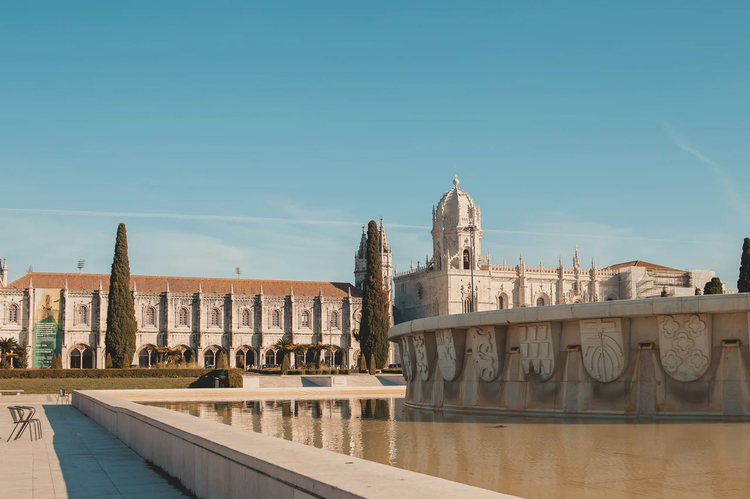
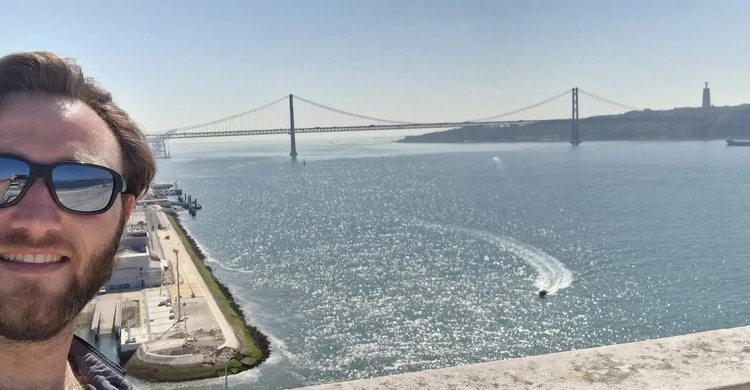
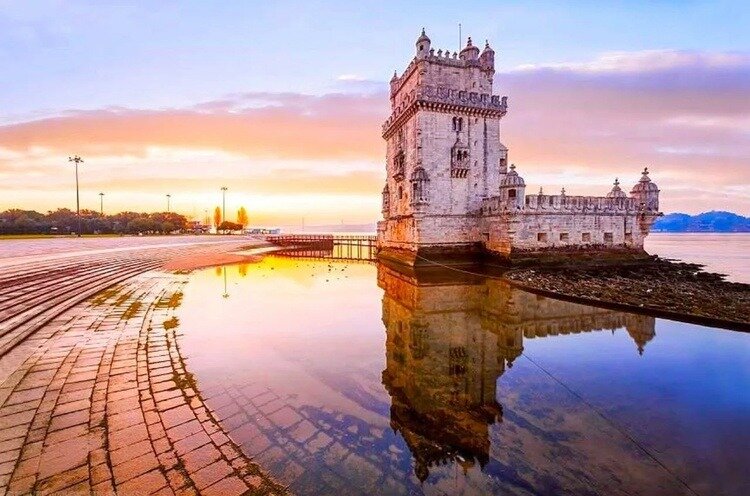
Two identities sit inside Belém Tower that don't usually pair together: a fortress meant to guard Lisbon's river approach, and a ceremonial gateway that welcomed ships home. King João II planned a line of fortifications to protect the city. His successor, Manuel I, saw the tower through to completion between 1514 and 1520. That decade fell in the middle of Portugal's push to extend trade and influence across Africa, Asia and the Americas, so the structure rose while Portuguese ships were reshaping the country's reach across the world.Francisco de Arruda, the military engineer behind the design, split the building into two working parts. A broad bastion carries the weight of the artillery, while a slimmer four-storey tower rises above it, more lookout than weapon. Inside, a casemate let cannon cover the river channel directly, and the watchtowers and balconies ringing the upper floors gave a clear line of sight along the water. None of this is decoration. It's the machinery of river defence, and you can still trace it by walking the openings and platforms today.Look closer at the stonework and a different story appears. Carved ropes, armillary spheres, crosses of the Order of Christ and naturalistic figures cover the tower in the Manueline style that Manuel I favoured. Those symbols tie together royal authority, navigation and Christian faith, echoing the voyages the Portuguese crown was sponsoring at the time. It's a case where you can read a king's priorities straight off the walls.The tower's relationship with the water has never been static. Lisbon's riverfront has shifted over the centuries, changing the tower's position relative to the shore, though its connection to the Tagus is still the reason it exists. Ships once approached Lisbon along the path it guarded, and later the building took on more ordinary jobs, including customs checks and a stretch as a prison. Paired with the nearby Jerónimos Monastery, it points to the wealth and cultural exchange that came with Portugal's Age of Discoveries, while also raising a wider conversation about conquest, colonialism and the communities affected by overseas expansion.Walking through, you move between the tower's role as a defensive structure and its role as a statement of royal ambition, and it helps to have someone sort out which is which. A private guide on ToursByLocals can explain how the artillery system actually worked, point out the maritime symbols that are easy to miss on your own, and place the tower's design within what Manuel I was trying to say about his reign. A guide can also connect that story to the geography of the Tagus itself. From there, the visit can shift to match what interests you most, staying focused on the tower or extending toward Jerónimos Monastery and the rest of Belém's riverside landmarks.