See the best of St. Stephen’s Cathedral with a private guide
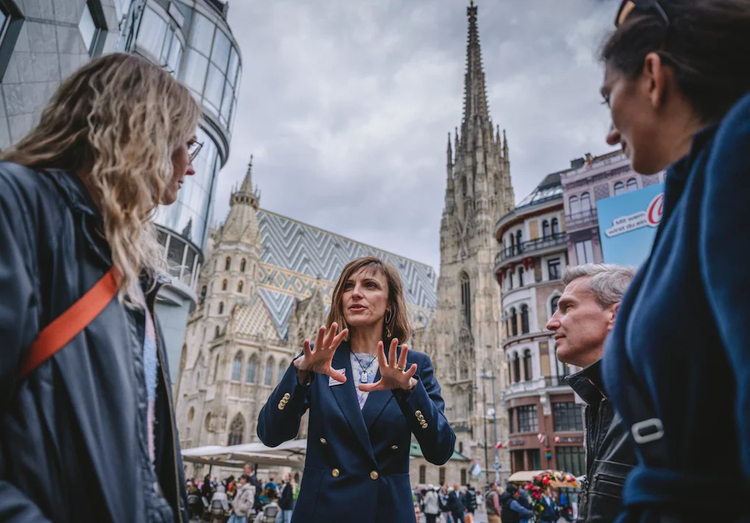
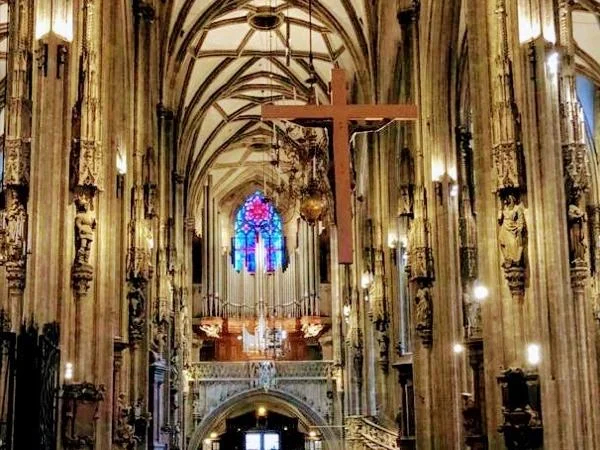
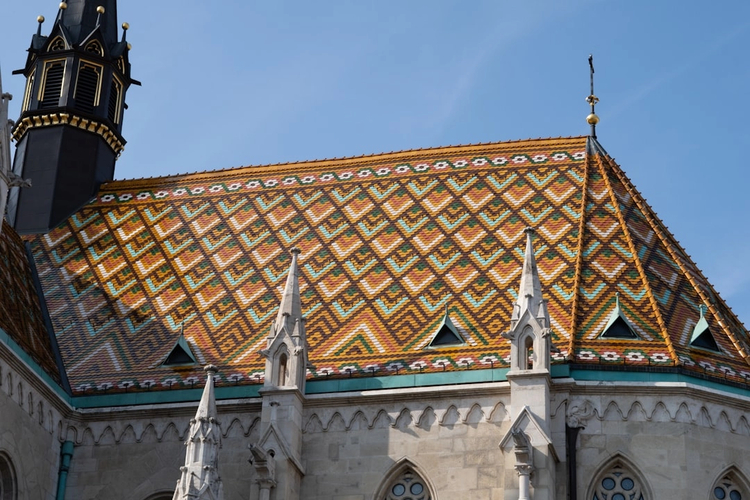
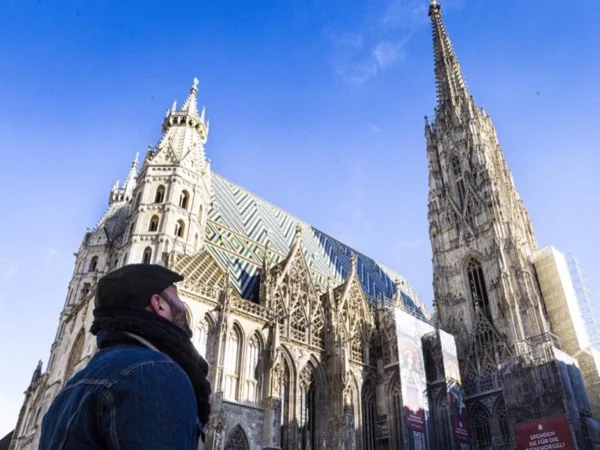
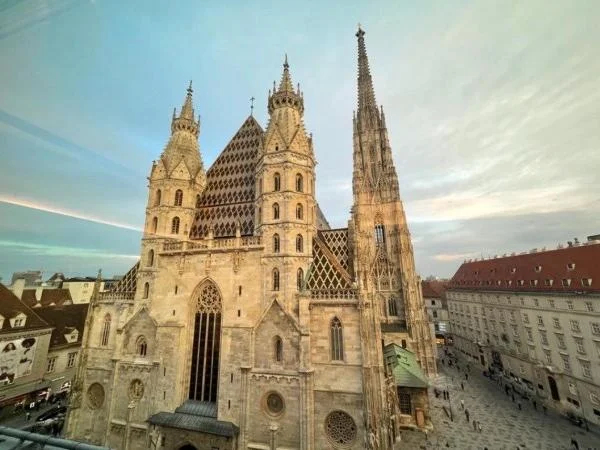
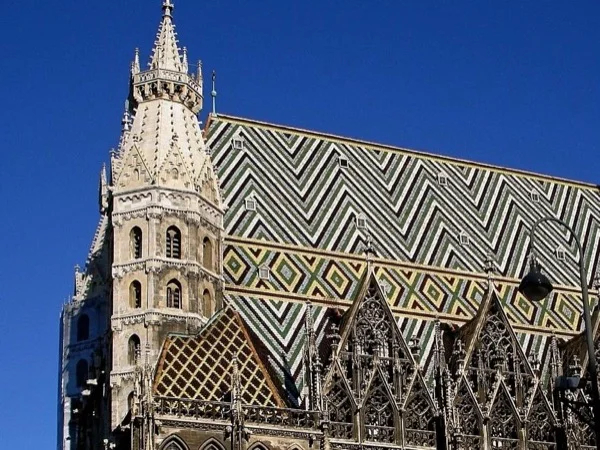
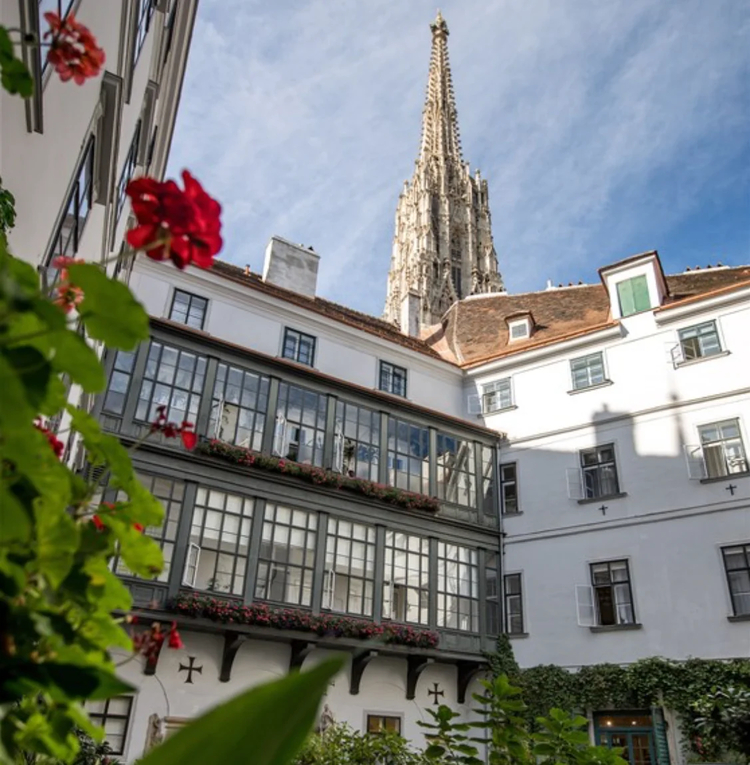
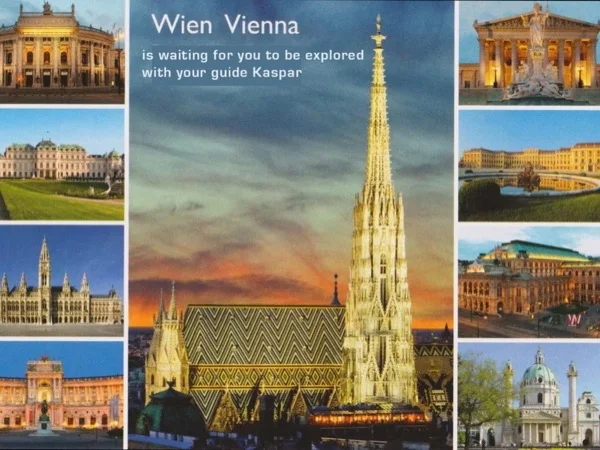
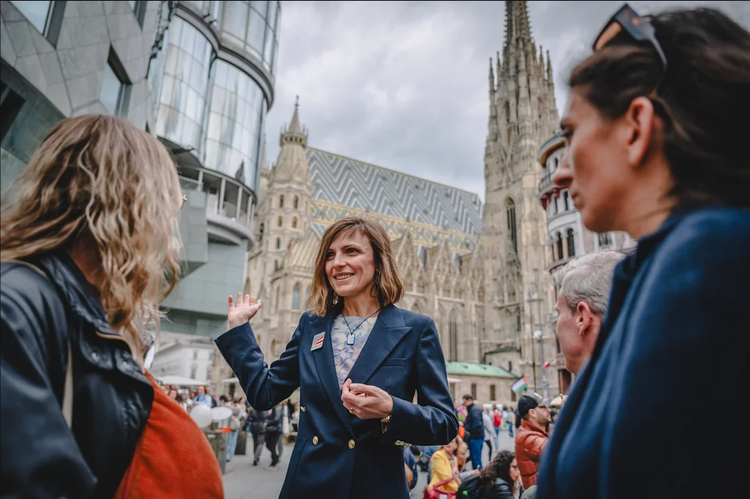
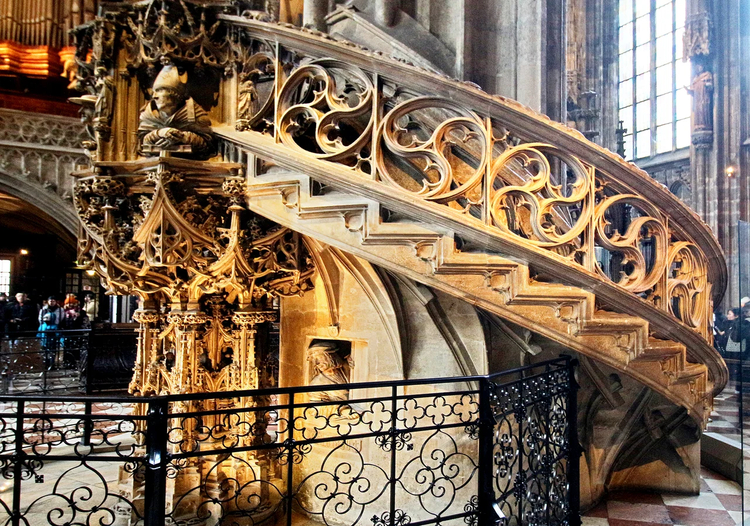
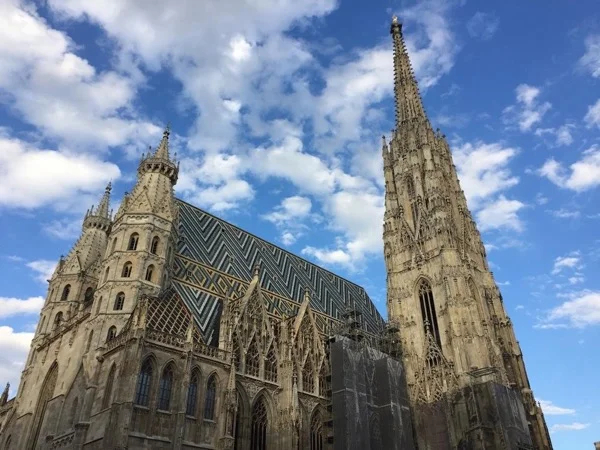
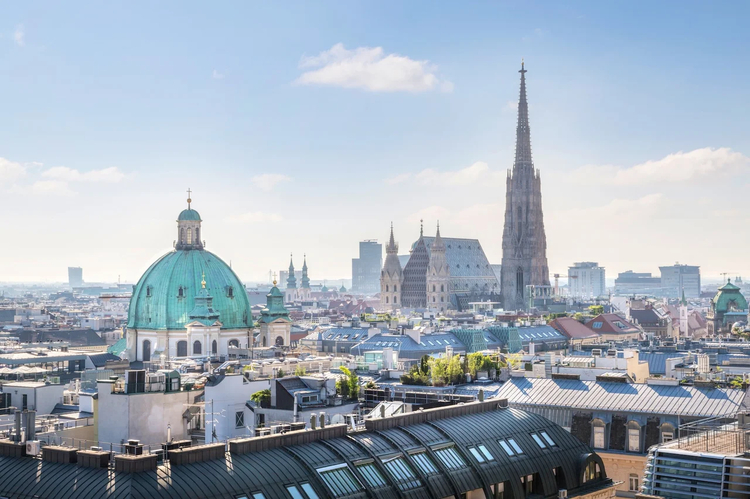
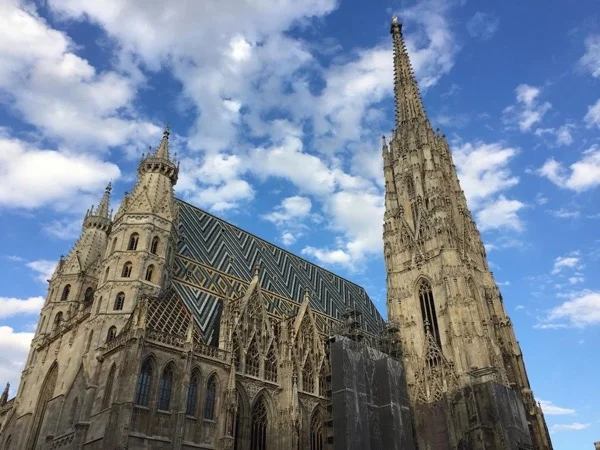
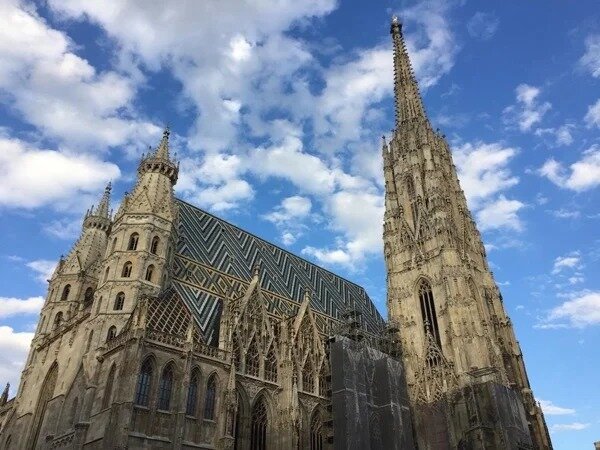
The two towers of St. Stephen's Cathedral don't match, and that's no accident of careless planning: the building took shape across centuries, and each stage left its own mark on the structure. Stephansplatz, at the centre of Vienna's Innere Stadt, holds a Romanesque church that began in the twelfth century, and the Giant's Door and the pair of western towers from that period still stand today. In 1359, Duke Rudolf IV laid the foundation stone for a Gothic expansion that reshaped the building and also signalled Vienna's growing standing within the Habsburg lands. The cathedral has served as both a place of worship and a marker of the city's civic life ever since.That mismatch between the towers is easy to spot from the square below. The south tower took shape through the fifteenth century and rises 136 metres above Stephansplatz, tall enough that it has long worked as a point of reference across the city. Its counterpart to the north was never finished to match; instead it holds the Pummerin bell, which leaves the skyline noticeably uneven rather than symmetrical. Above the nave, the roof carries a pattern of glazed tiles that forms a double-headed eagle and other heraldic designs tied to Vienna and Austria. Seen together, the towers and the roof turn several centuries of construction into something a traveller can read just by looking up.Inside, the Gothic structure is layered with later chapels, altars and Baroque additions, a mix that shows how tastes in worship and design shifted across generations. Some of these additions mark specific people connected with the cathedral: Emperor Frederick III rests in an elaborate stone tomb, and Duke Rudolf IV and other Habsburg family members are linked to the catacombs beneath the building. Prince Eugene of Savoy was buried in a private chapel here as well. The cathedral also holds a different kind of memory: Wolfgang Amadeus Mozart married Constanze Weber inside in 1782, tying the building to Vienna's musical history alongside its religious and dynastic roles. A fire in 1945 damaged the roof and interior, and the reconstruction that followed became part of Austria's post-war recovery, one more reason the building reads as a layered record rather than a single moment frozen in time.Walking through the nave and chapels, it's easy to pass details that only make sense with some context, from a coat of arms on the roofline to a name carved into a tomb. A private guide on ToursByLocals can separate the Romanesque, Gothic and Baroque layers as you move through the building, connect specific tombs and chapels back to the people who used them, and adjust the pace to how much time and interest you bring to the visit. That kind of flexibility matters in a building this dense with history. From Stephansplatz, a guide can also extend the visit toward the Graben, Peterskirche, the Hofburg or the Mozarthaus, shaping the route around whichever part of Vienna's history you'd like to explore further.