Choose a currency
Sensoji Temple private tours
0 results
You've managed to find one of the few places we don't have guides yet.
Make it yours

Customize your tour
Get in touch with the guide to create an itinerary that's the perfect fit and uniquely yours
Sensō-ji Temple tours
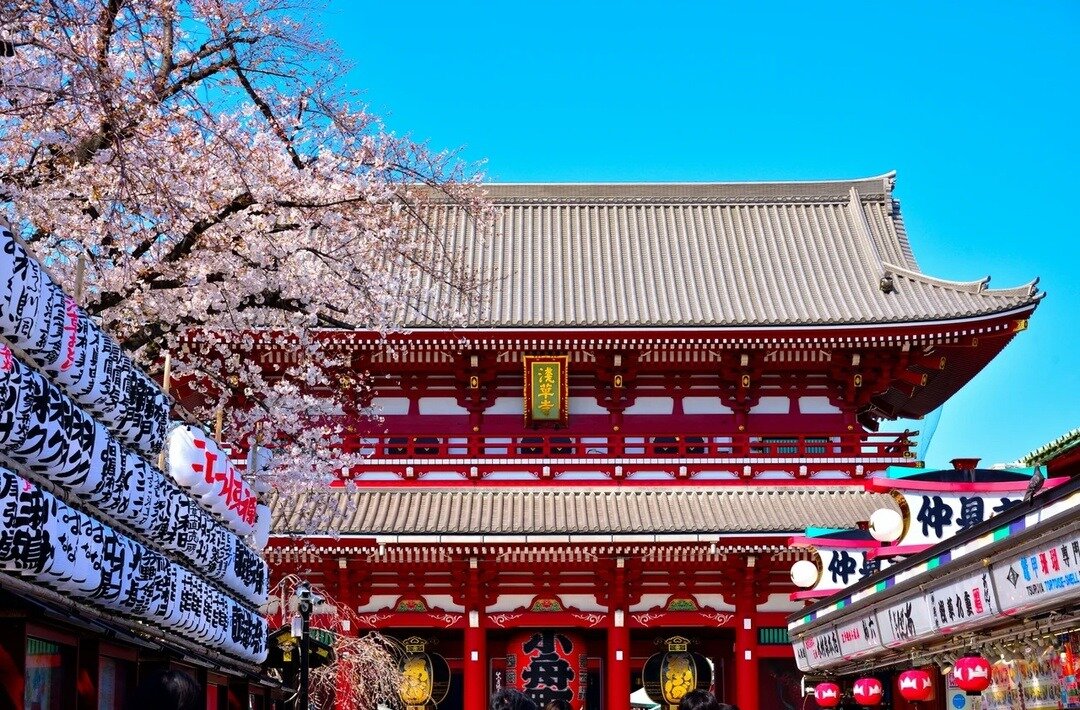
See the best of Sensō-ji Temple with a private guide
The image at the centre of Sensō-ji has never been put on display, yet an entire district in Asakusa grew up around it. According to the temple's founding account, two fishermen brothers, Hinokuma Hamanari and Takenari, pulled a small figure of Kannon from the Sumida River in 628. The village head, Haji no Nakatomo, recognised it as the bodhisattva of compassion and turned his own house into a place of worship. In 645, the priest Shōkai built a proper hall for the image and sealed it away. It has stayed hidden ever since. Nobody actually sees the object everyone comes to honour.Support from military rulers during the Kamakura period gave the temple lasting political weight, and it later served as a prayer site for the Tokugawa shogunate. That patronage helped Asakusa grow beyond religion alone: as Edo expanded, the district filled with markets, theatres and popular entertainment alongside its pilgrims. Kaminarimon, the Thunder Gate, is watched over by deities of wind and thunder and opens directly onto Nakamise, a shopping street whose stalls grew up alongside the flow of worshippers rather than after them. Kaminarimon still marks that same threshold, so walking through it today means stepping into a commercial pattern built up over centuries.Past Kaminarimon, Hōzōmon marks the entrance to the inner precinct, where the Main Hall enshrines that concealed figure of Kannon. Incense drifts through the courtyard, and people purify themselves and make offerings much as they would at any working temple. None of this is staged for tourists. Much of what stands there is also not original construction: the Main Hall, Kaminarimon, Hōzōmon and the five-storey pagoda were all destroyed in the air raid of March 1945 and rebuilt afterward through public donations. That history might change how you read the buildings, less as survivors from an earlier century than as evidence of a community choosing to rebuild its spiritual centre after the war.A visit moves through gates, halls and courtyards where crowds can make small details easy to miss. A private guide on ToursByLocals can separate those layers, distinguishing the seventh-century founding legend from Edo-era Asakusa and from the post-war rebuilding, while pointing out details that get overlooked in the crush. The route can flex, too. It can extend toward Nakamise-dōri, Asakusa Shrine, the Sumida River or the traditional craft shops of Kappabashi for a fuller sense of how the area fits together, depending on your own interests and pace.
Tokyo One-Day Highlight Private Tour by a chartered vanSecret Tokyo Private TourRun through Tokyo like a bullet train and see main sightseeing spotsOne-day Tokyo Tour In Your Own WayTokyo Chartered Taxi Private TourHighlights of beautiful Tokyo - 7hr Private TourExciting Highlights of Tokyo - 8hr Private TourTokyo Highlights - Full Day Private TourBest of Tokyo in one day - Private TourTokyo Highlights Tour with Private CarCultural walking tour with mix of traditional and contemporary life style in TokyoTailoring Full Day Tour of Tokyo Highlights!! 6 hoursExciting Highlight Tour in the Dynamic Megalopolis of TokyoExperience old and new Tokyo Full-day - Private TourTokyo in a Nutshell: Unveiling the City's Charms in Just Half a DayTokyo Full Day Private Tour by vanTokyo: First Day of Your Trip to Japan8-Day Private Japan Experience: Tokyo, Kyoto, Mt. Fuji & DisneySeaTokyo Your Way: 5 Must-See Highlights in One Day Tokyo Highlight Tours with Maru Discover Tokyo - Private Walking Tour (6 hours)Tokyo city tailored 8hr private tourTokyo Full Day Private Walking Tour (7.5H)Quick Tokyo Highlights – 5-Hours Private Car TourTOKYO 6-Hour Introduction TourTokyo Half Day Private TourMt Fuji and Hakone Highlights Tour from Tokyo (with Private Car)6hr - Introductory Tokyo Highlights TourMt. Fuji & Hakone day trip by van from Tokyo - 10hr Private TourFully customized 7.0 hours Tokyo tour by experienced guide - see Shinjuku, Shibuya, Harajuku, Asakusa, Akihabara, Yanaka100% customized one day tour in Tokyo (8 hours)Luxury Mt. Fuji Escape – Private Car Tour & Horseback Riding1st Time in Tokyo - Private Tour with a PhotographerTokyo, 6-hour-tour @ wherever up-to-you!Private Family tour in Tokyo with your kids (7H)TOKYO Half Day Walking Tour - By A Certified National Guide -Tokyo insider tour tailored to your interest in 6 hoursHalf Day Tokyo After Dark Food Tour: Nakano's Nighttime FeastOne-Day Tokyo Highlights TourHalf Day Tokyo Explorer in 4 hours tailored to your interest