See the best of the Eiffel Tower with a private guide
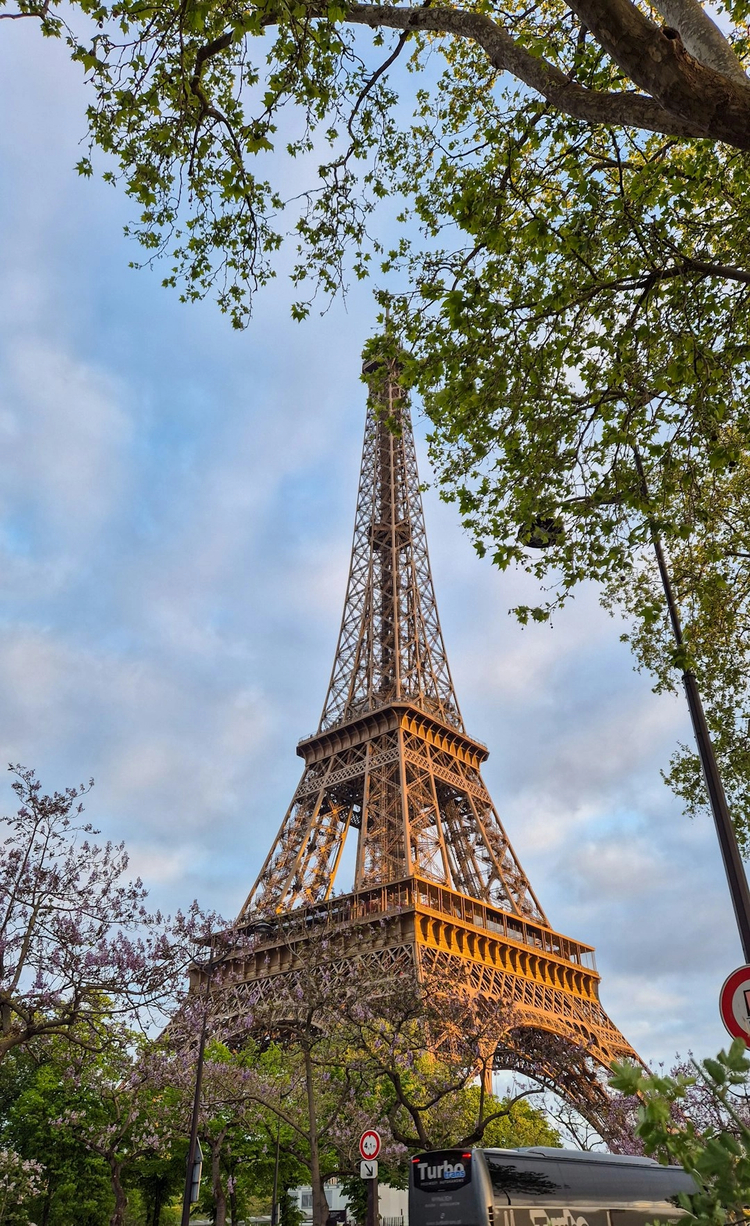
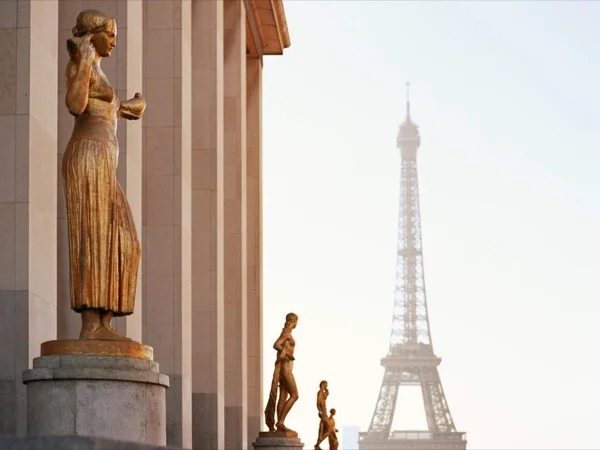
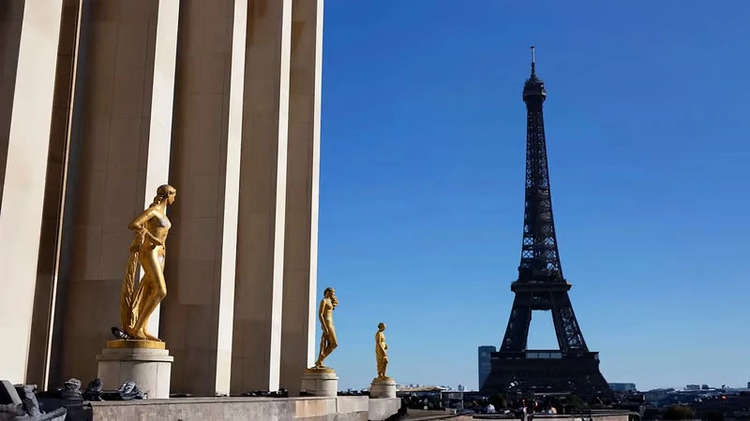
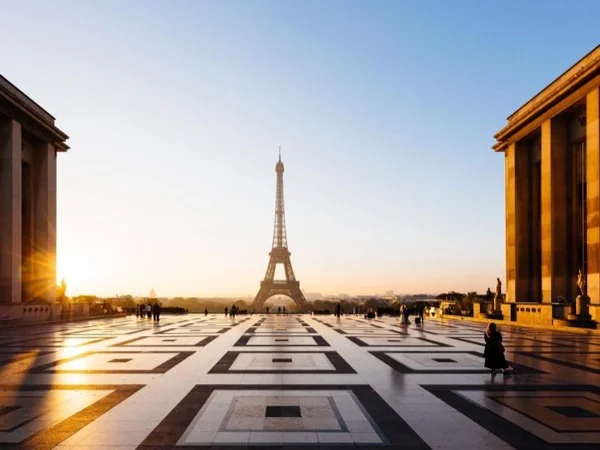
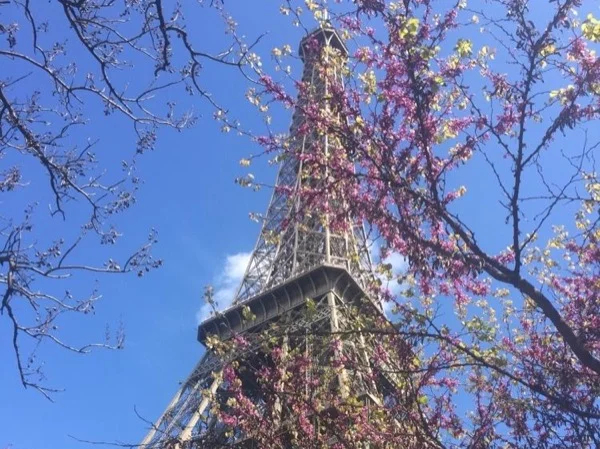
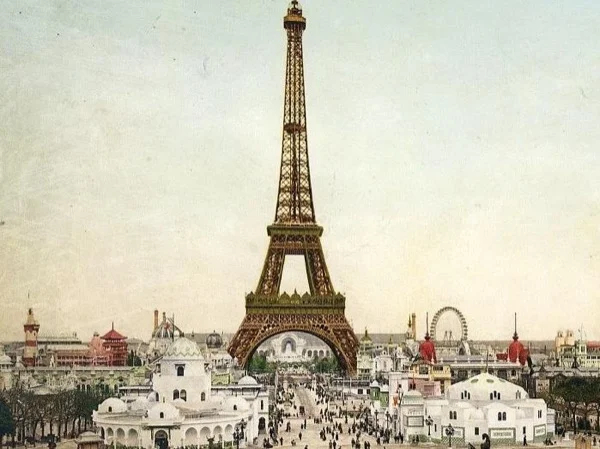
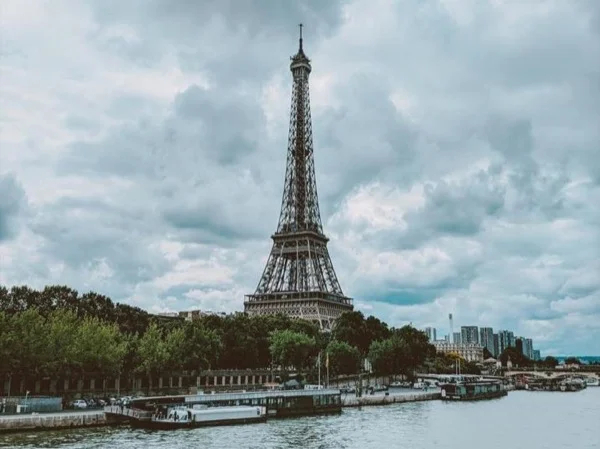
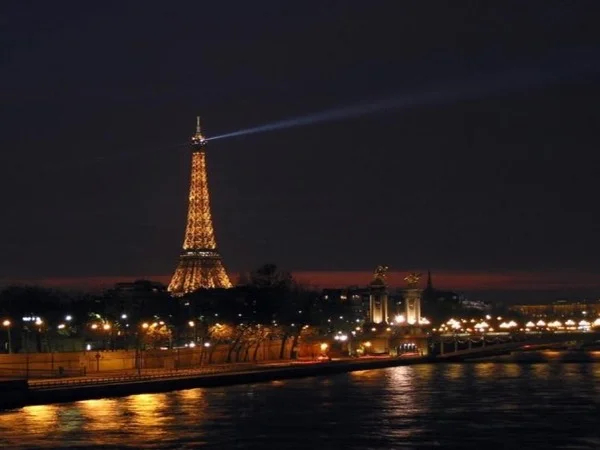
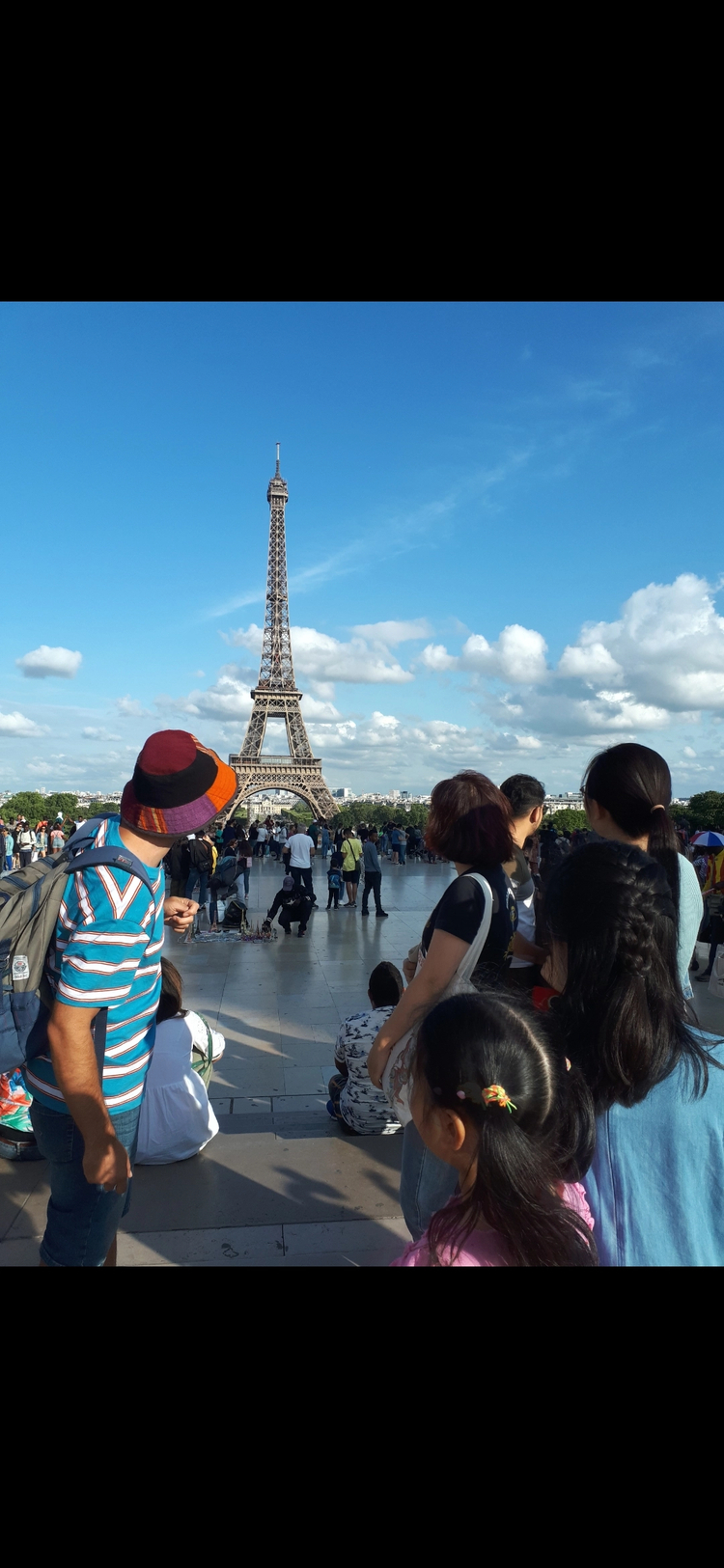
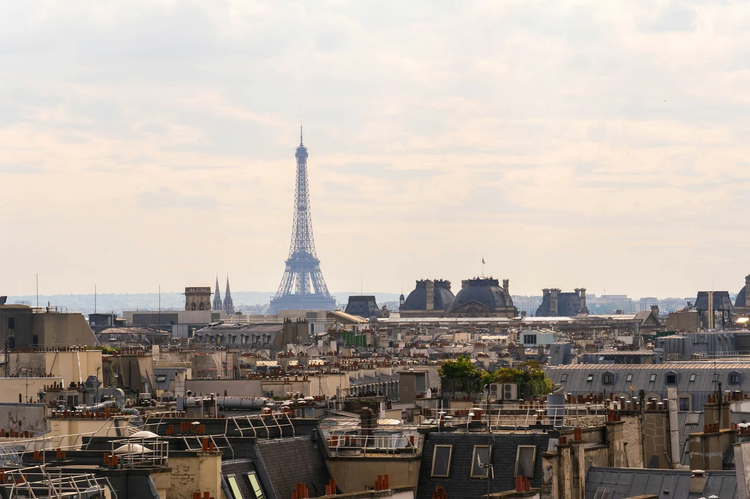
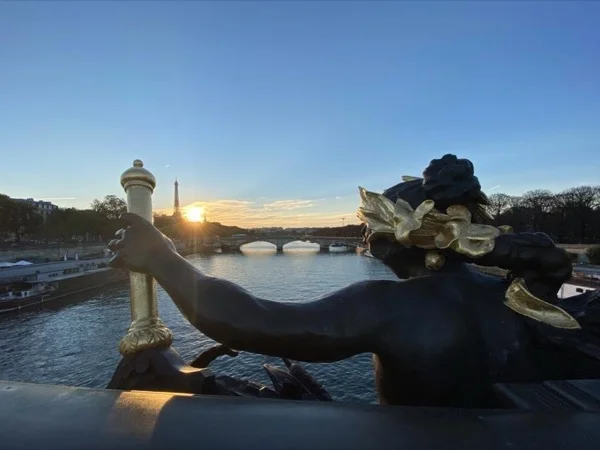
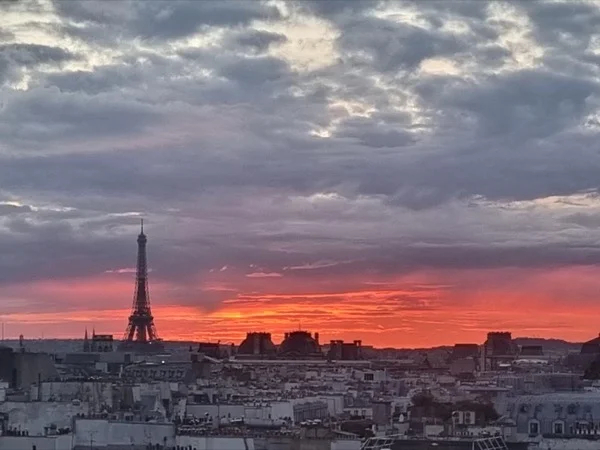
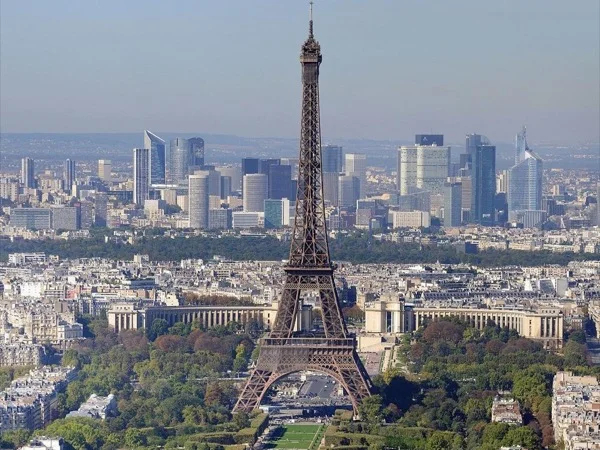
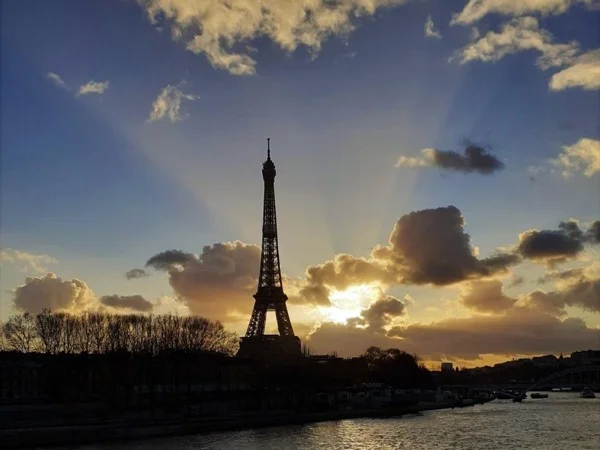
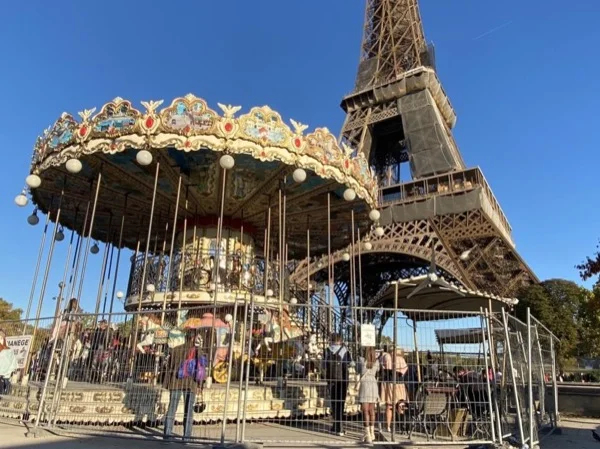
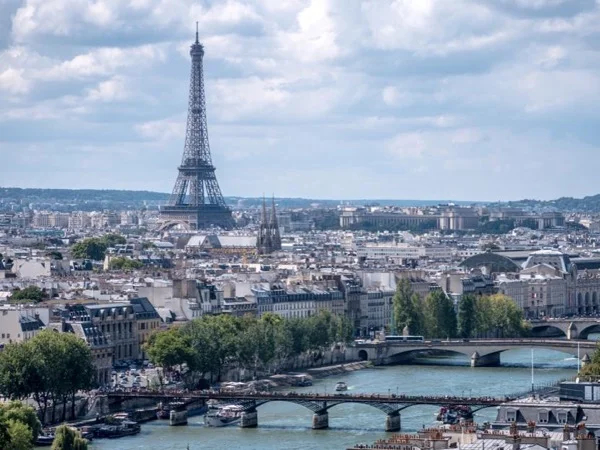
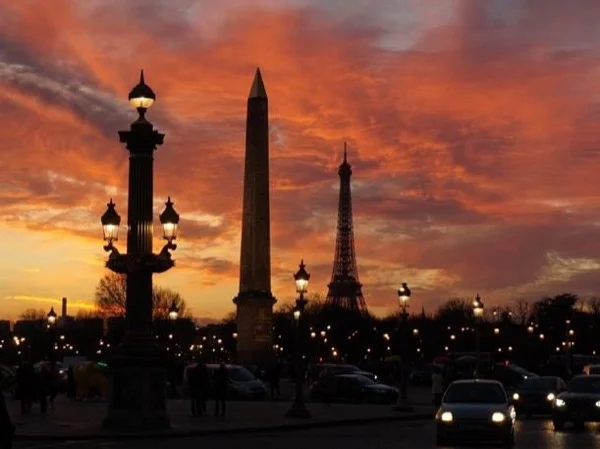
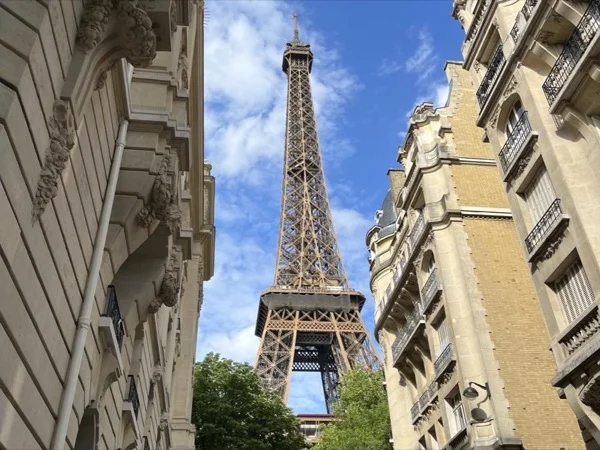
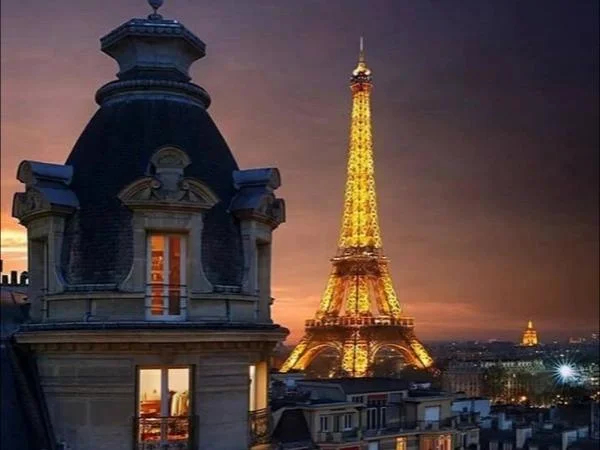
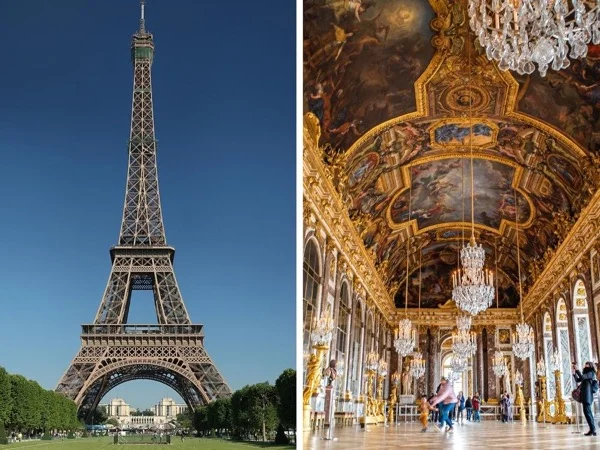
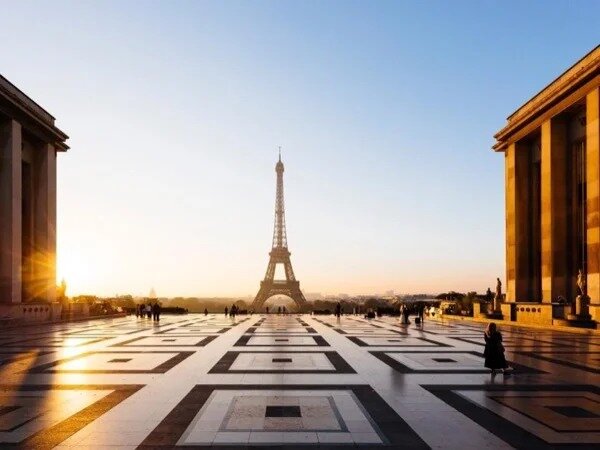
A tower built to be temporary has stood beside the Seine for more than a century. That's an odd life story for a monument. It rose on the Champ de Mars for the Exposition Universelle of 1889, a fair timed to mark the hundredth anniversary of the French Revolution and to show the world what French industry could build. Four lattice-iron piers, curving inward and tapering as they climb, gave the structure an open framework instead of the solid stone Paris was used to seeing in its monuments.The engineering behind the tower came from two of Gustave Eiffel's own staff, Maurice Koechlin and Émile Nouguier, who worked out how the structure could stand at all. Architect Stephen Sauvestre had a different task: make it presentable to a public used to stone. More than 18,000 prefabricated iron pieces went into the frame, joined by millions of rivets, and broad arches at the base tie the four piers together before the tower narrows toward the top. Those arches are worth pausing on, since they turn what could read as a bare skeleton into a recognisable silhouette, and the platforms that break up the climb mark the levels built for taking in the view.Not everyone thought this was a good idea at the time. A group of artists and writers objected publicly to the tower's scale and industrial look, and it was originally meant to come down after a set number of years. Its usefulness saved it. Gustave Eiffel used the height for scientific experiments, and later the tower carried radio and communications equipment that gave it a practical reason to stay standing. A structure once criticized as an intrusion on the skyline gradually became tied to the identity of Paris, and to a broader confidence in industrial-age design.Seeing the tower up close means looking past its overall shape to details that are easy to miss from a distance: rivet patterns, the curve of the piers, engineering left exposed rather than covered up. That takes a guide who knows where to look. A private guide on ToursByLocals can place these details within the bigger story of the World's Fair that produced the tower, the Haussmann-era Paris it interrupted, and the shift toward iron architecture it helped bring about, while adjusting the pace and route to what interests you. Explore the tower and Champ de Mars as a focused visit, or customize the route toward Trocadéro and the Seine to see how the monument fits into the neighbourhood around it.