See the best of Plaza de Mayo with a private guide
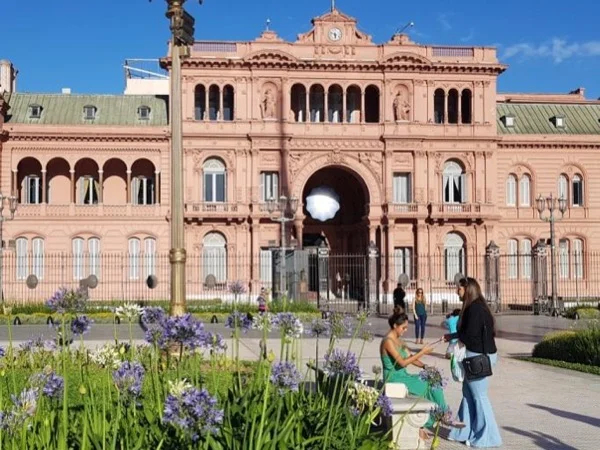
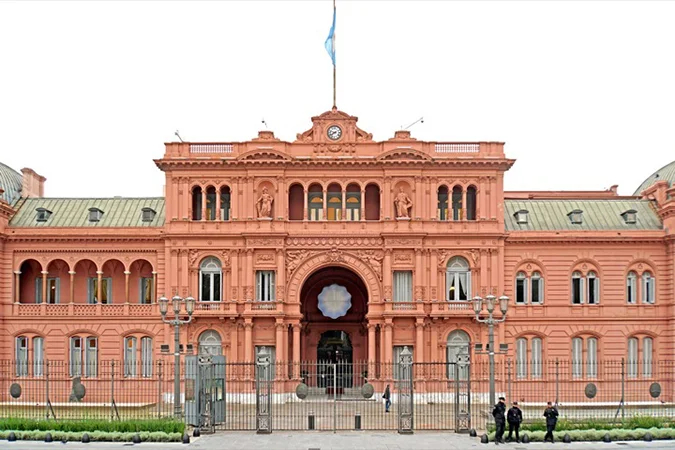
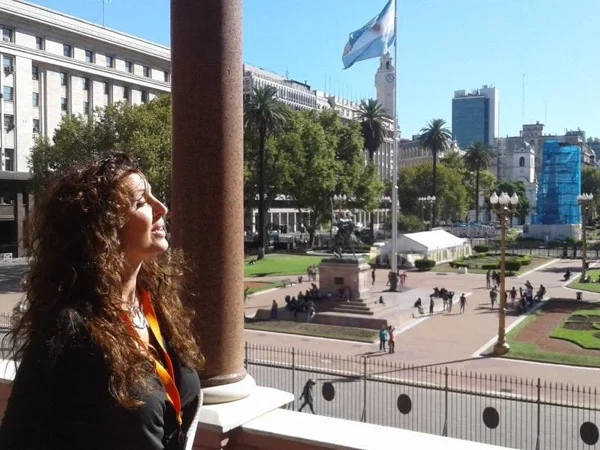
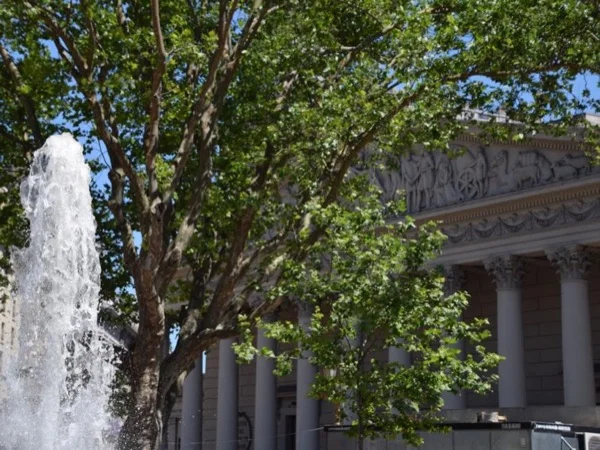
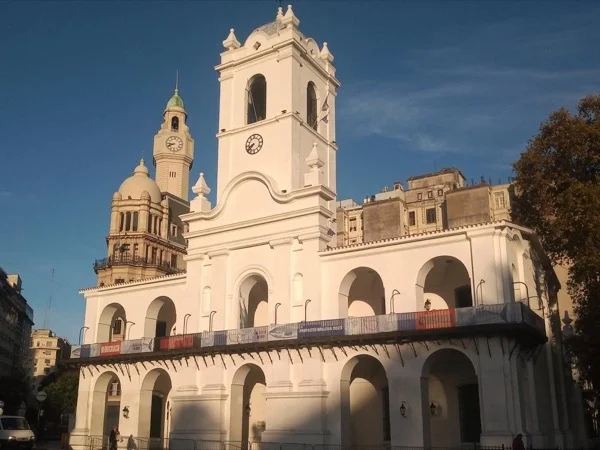
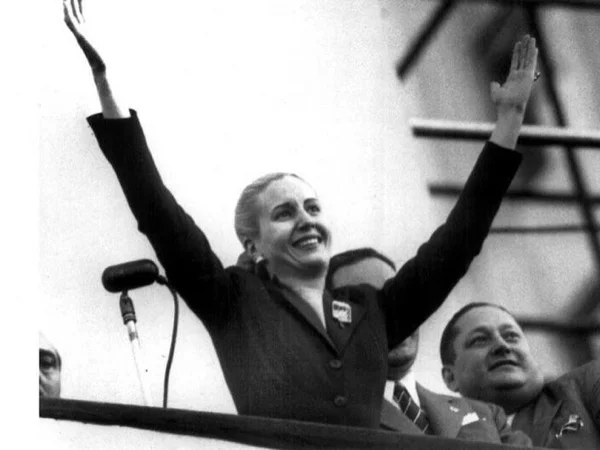
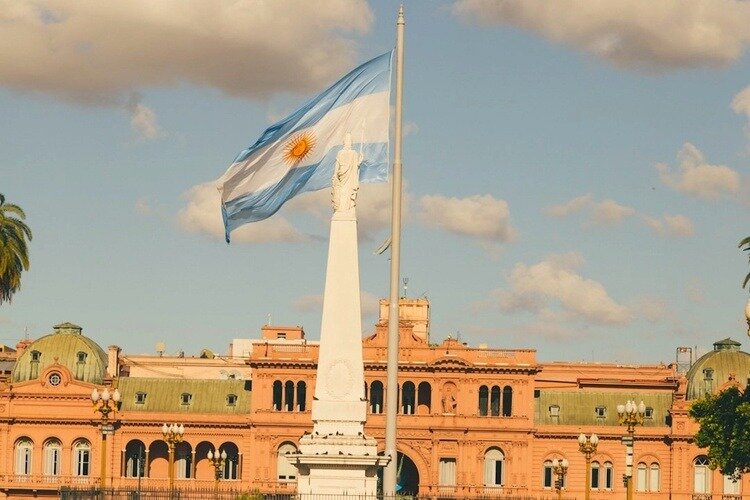
Buenos Aires was founded twice, and the second time, in 1580, happened on the ground where this square now sits. Juan de Garay led that founding, and the settlement around it grew into the seat of Spanish colonial government in what is now the Monserrat district. The square did not always carry its current name. It became Plaza de Mayo after the May Revolution of 1810, when a group of local leaders set in motion the process that eventually led to Argentine independence. A civic space built for colonial administration turned into a symbol of political change.The buildings ringing the square tell that shift in stone. The Cabildo, the old town council building, recalls the colonial government and the debates that took place during the revolution, so standing in front of it puts you close to where those arguments actually happened. The Metropolitan Cathedral serves as the principal Catholic church in Argentina, and it carries a personal link to Jorge Bergoglio from before he became Pope Francis, which gives its plain façade an unexpected connection to a figure many travellers will recognise. Facing the square from the opposite side, the Casa Rosada houses the country's executive government. Its balcony is tied to public appearances by Juan and Eva Perón, a detail that says something about how the presidency's relationship with the public has changed over time. Seeing all three buildings from the same stretch of pavement is a quick way to sense how colonial rule, religious authority and modern political power have shared this one stage.At the centre of the square stands the Pirámide de Mayo, first put up in 1811 to mark the revolution's anniversary and later reworked by Prilidiano Pueyrredón. It works almost like a marker of how often Argentina has returned to this event to make sense of itself. Nearby, an equestrian monument honours Manuel Belgrano, the revolutionary leader who designed the Argentine flag, putting a face to a name most travellers already connect with that flag. The square carries a more recent layer as well. Since 1977, the Mothers of Plaza de Mayo have gathered here to seek answers about children who disappeared during Argentina's military dictatorship. That history has become part of the square's identity, and it is worth knowing before you arrive, since it shapes how Argentines themselves think about this ground.Visiting the square usually means moving between these fixed points, the pyramid, the cathedral, the Cabildo and the Casa Rosada, and letting the layers of history connect as you go. A private guide on ToursByLocals can help thread those layers together, explaining how a colonial council building, a national cathedral and a seat of government ended up sharing one open space, and can adjust the pace so the visit matches the time and interests you bring. From here, a guide can also extend the route along Avenida de Mayo or into San Telmo and Puerto Madero, so the tour can be shaped around whichever part of Buenos Aires' story you want to follow next.