See the best of the Golden Pavilion with a private guide
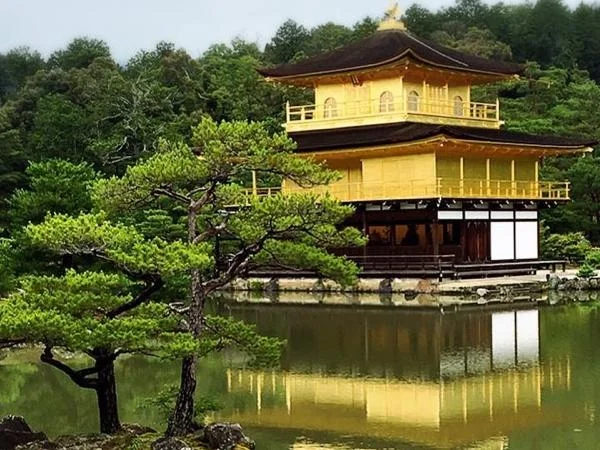
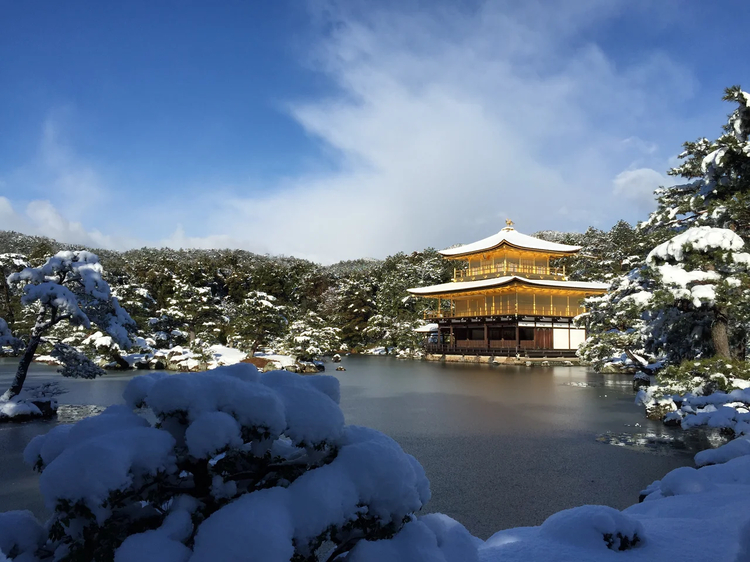
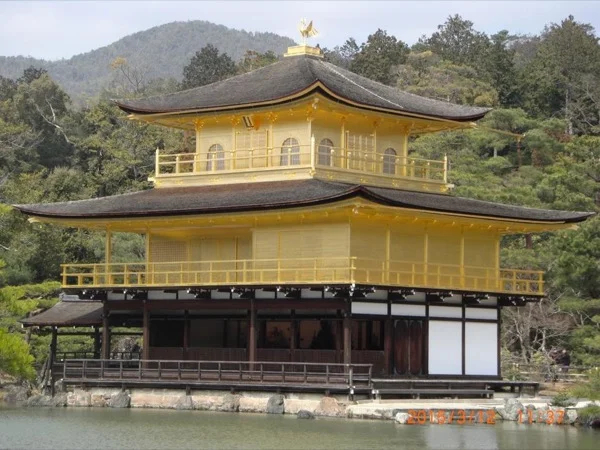
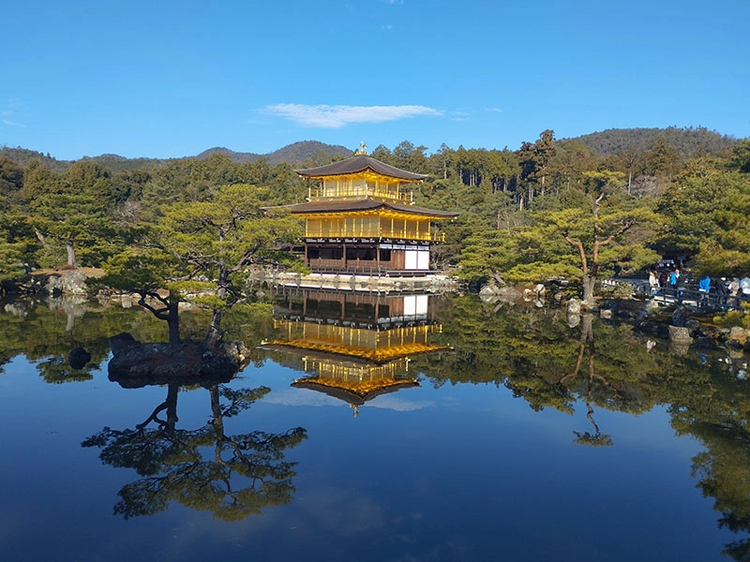
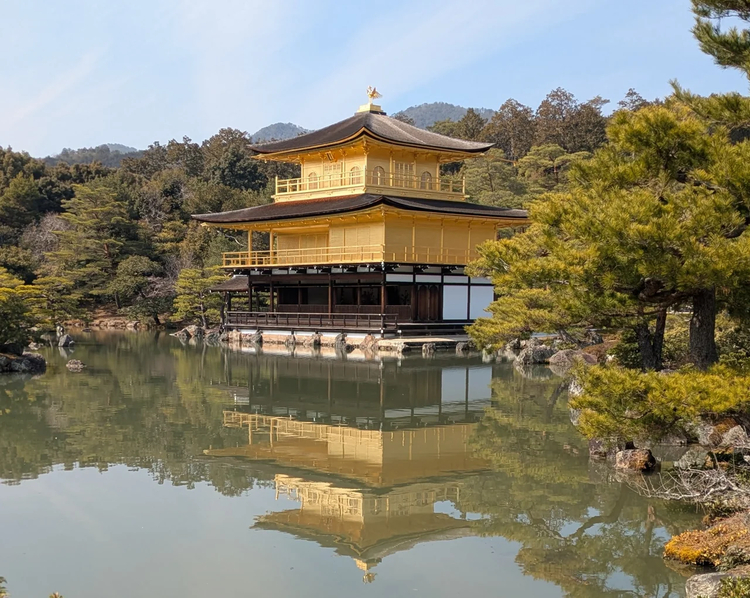
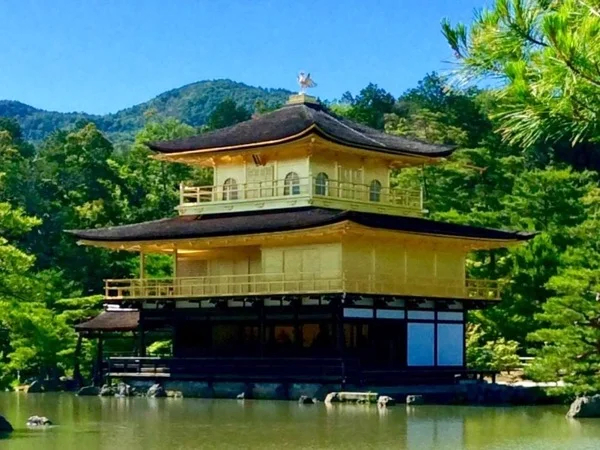
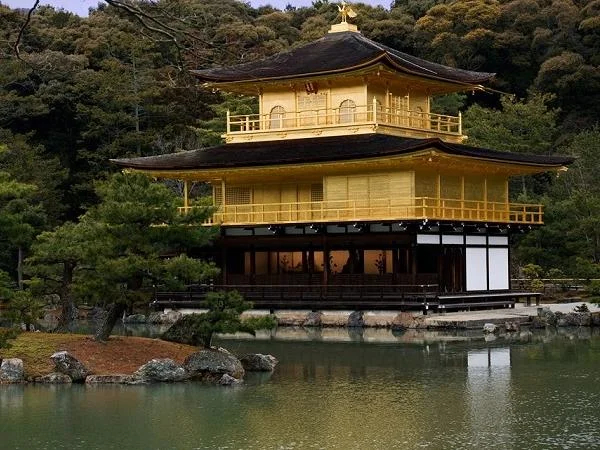
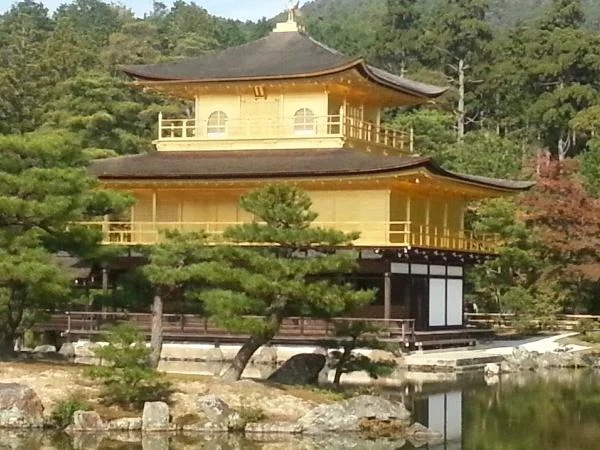
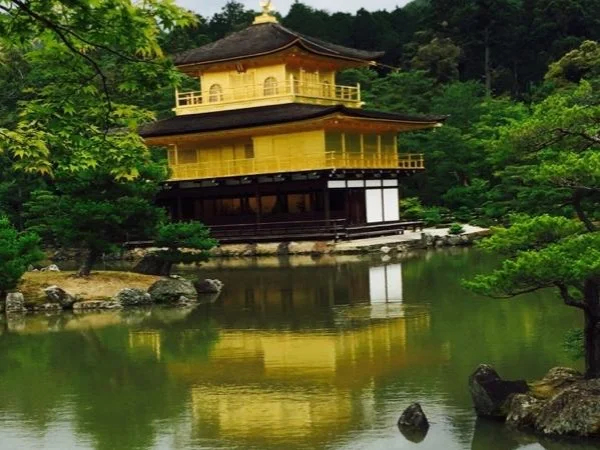
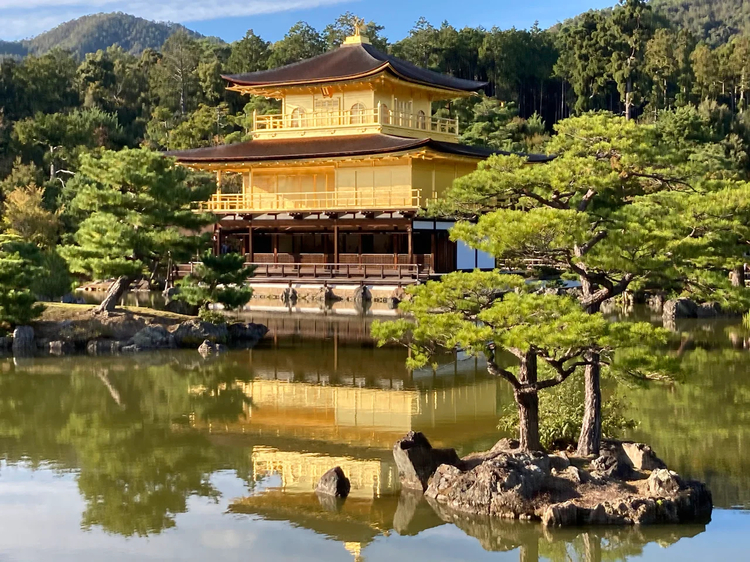
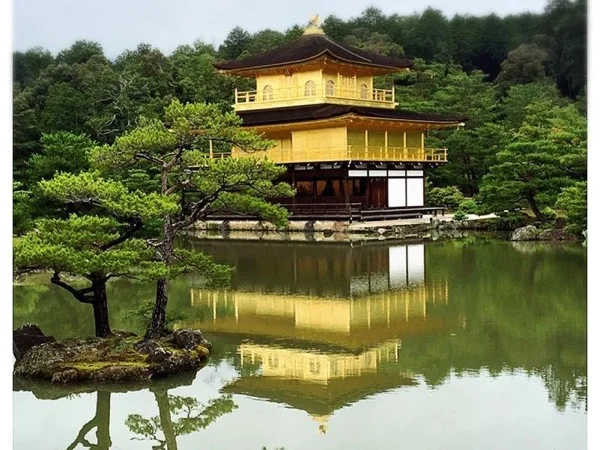
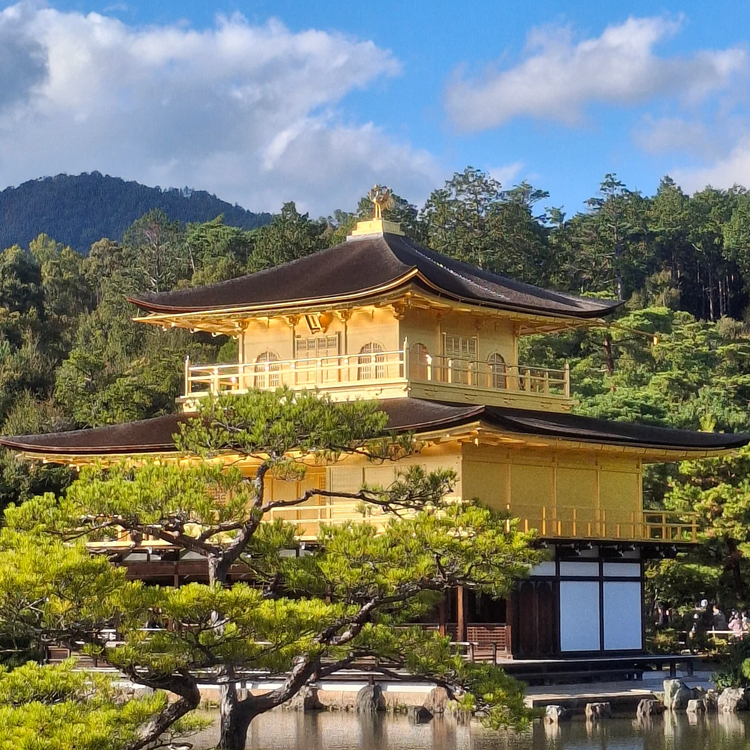
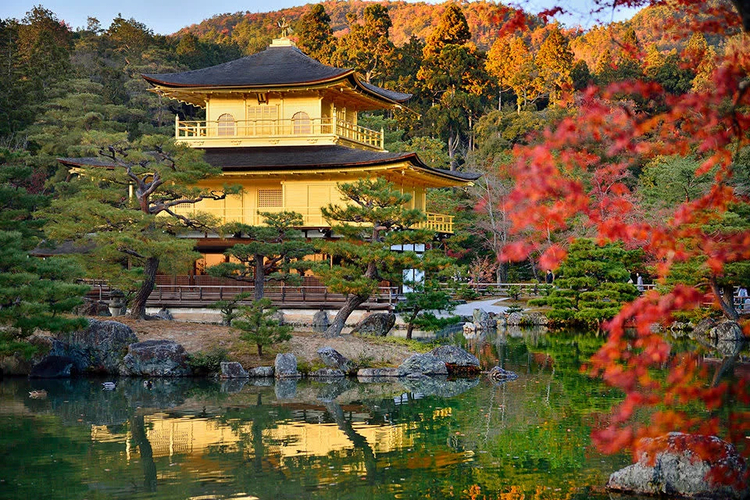
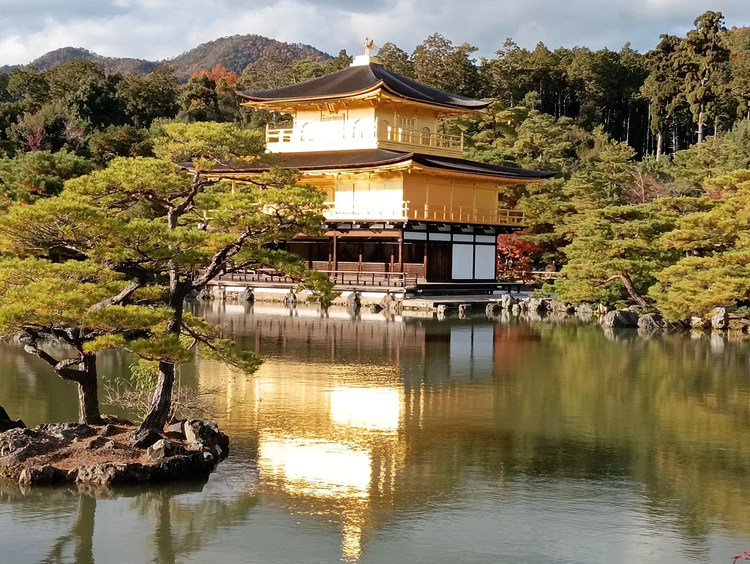
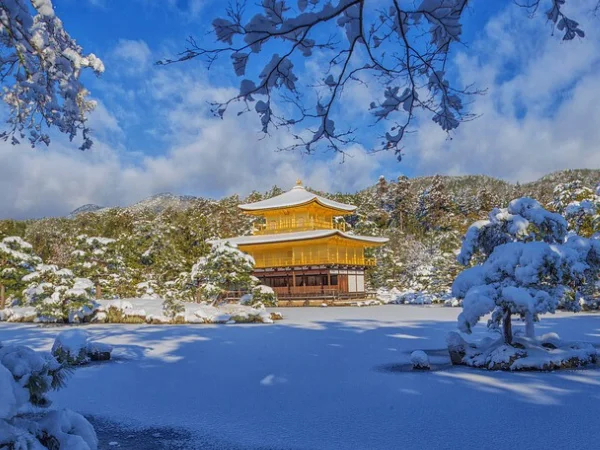
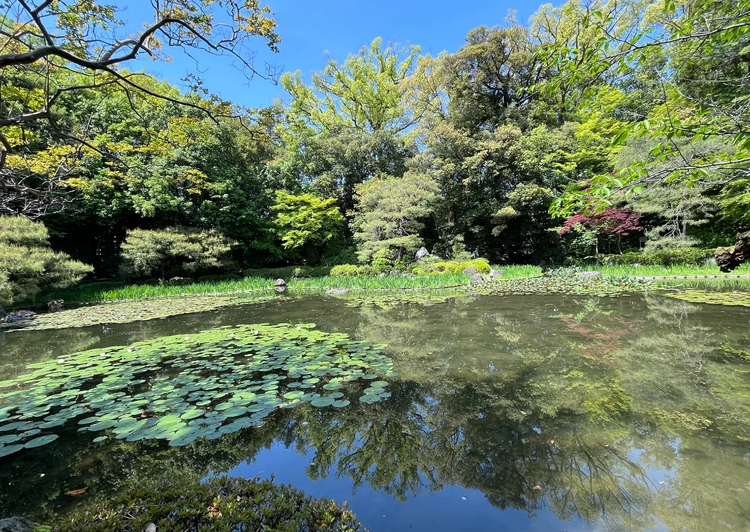
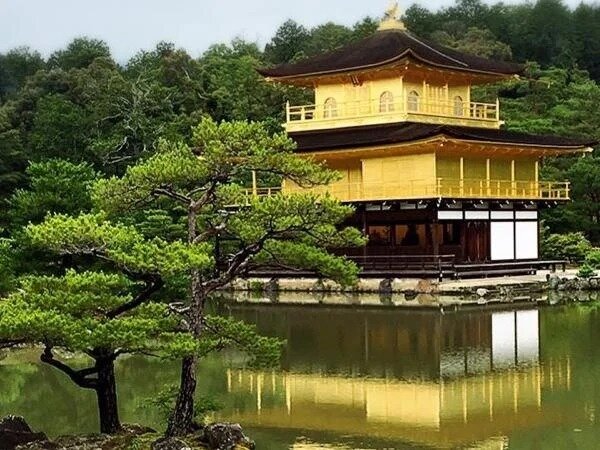
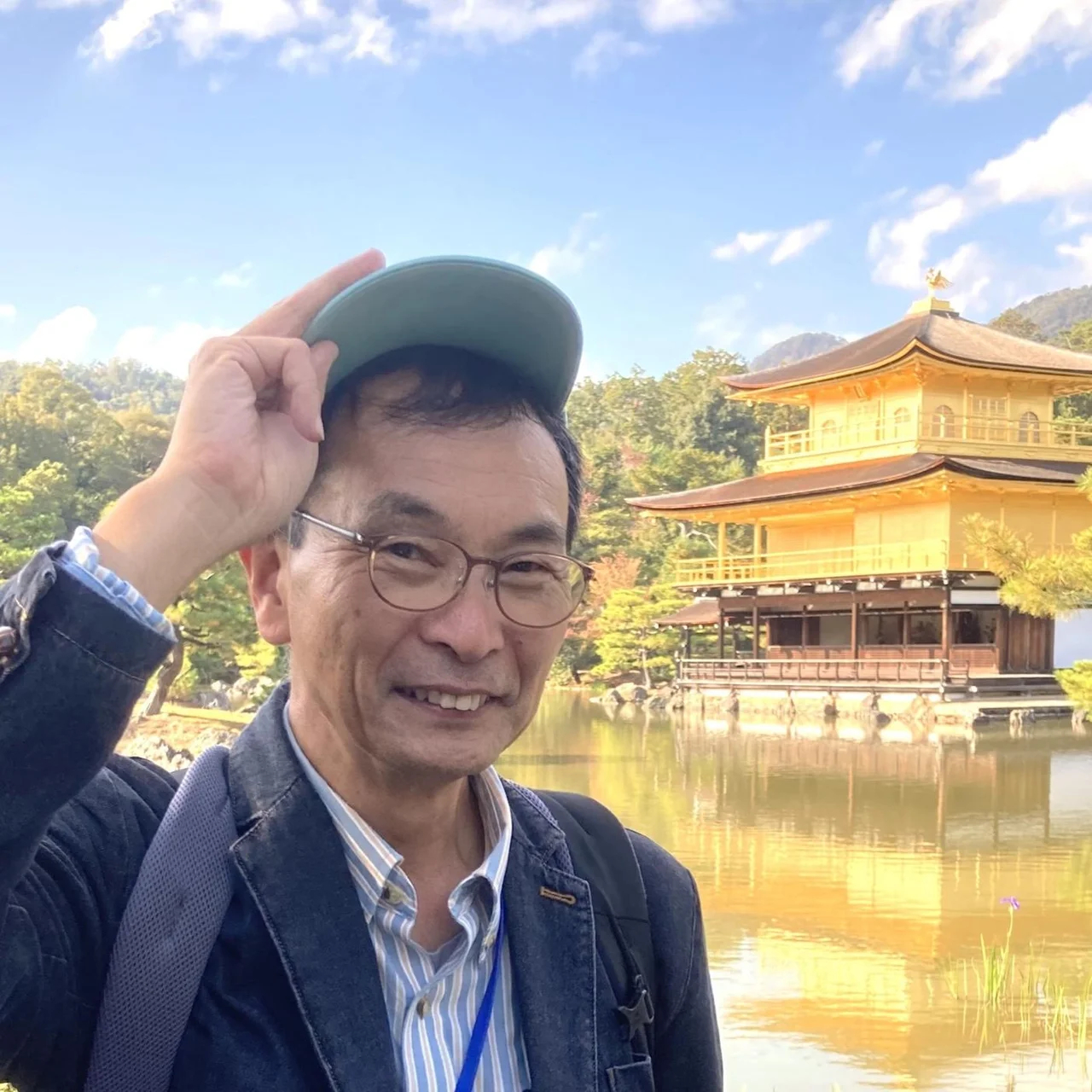
The gold-covered building that gives this Kyoto temple its name did not start out as a temple at all. It began as a retirement villa. In 1397, Ashikaga Yoshimitsu, the third shogun of the Ashikaga government, built the Kitayama estate as his private retreat, and only after his death did the property become Rokuon-ji, a Rinzai Zen temple named after his posthumous Buddhist title. That change from personal residence to religious site carries through everything you see today: political authority, aristocratic taste and religious meaning all held in one structure, standing beside Kyōko-chi, the Mirror Pond, in northern Kyoto.Look closely at the three storeys and you can see this layered history in the architecture itself. The ground floor follows the Shinden style once used in the residences of court nobility, the second level takes on the more enclosed character of a warrior's house, and the top floor turns to a Zen-inspired form. Three periods, stacked on top of each other. Together they trace how the imperial court, the samurai government and Zen Buddhism came together under Kitayama culture. Gold leaf covers the lacquered upper two storeys, and a bronze phoenix sits at the roof's peak. Those details are easy to notice, but they make more sense once you know the building also functions as a reliquary connected to Shakyamuni Buddha, not simply a showpiece.The garden around the pavilion carries just as much intention as the building. Islands, rocks and carefully placed pines line the edge of the pond, and the pavilion's own reflection becomes part of the view as you follow the path around the water, so the design keeps shifting as you walk. What stands today is also a reconstruction, not the original building. A young monk set fire to the earlier pavilion in 1950, an act that Yukio Mishima later turned into a novel, and the structure was rebuilt in 1955, with its lacquer and gold leaf renewed since. Knowing that history changes how you might look at the gold surfaces: less a fixed relic, more something maintained and remade over time.Walking the garden circuit gives you a sequence of changing views of the pavilion rather than one single angle. A private guide on ToursByLocals can walk through how those viewpoints, the garden's symbolism and the three architectural styles fit together, along with Yoshimitsu's place in medieval Japan and the distinction between the pavilion itself and the wider Rokuon-ji complex around it. That context is easy to miss on your own. From there, a tour can be shaped to also take in Ryōan-ji and Ninna-ji nearby, pairing the pavilion's gold and reflected landscape with Zen stone gardens and imperial-temple architecture, at whatever pace and level of detail suits you.