Shared Tables in South East Asia: Discover a Country’s Soul Through Its Meals

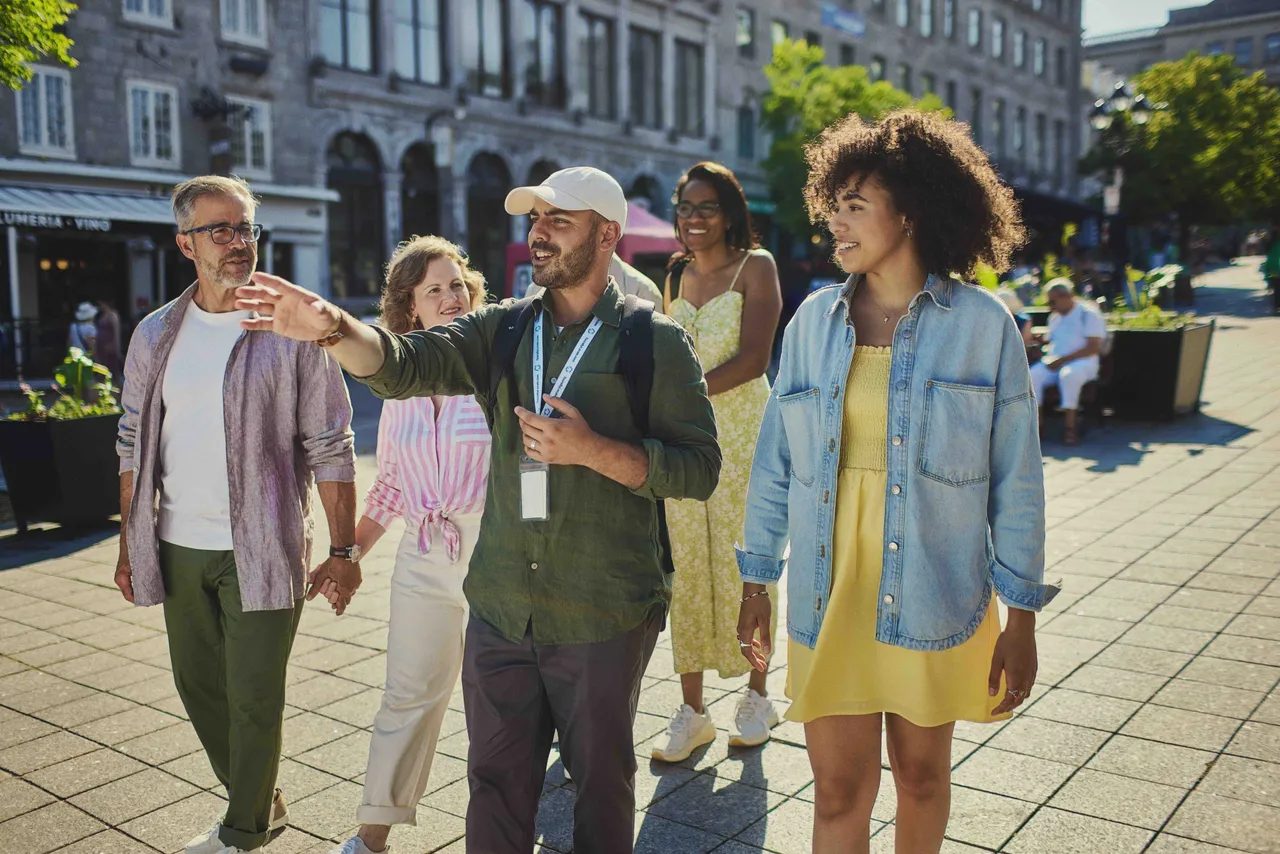
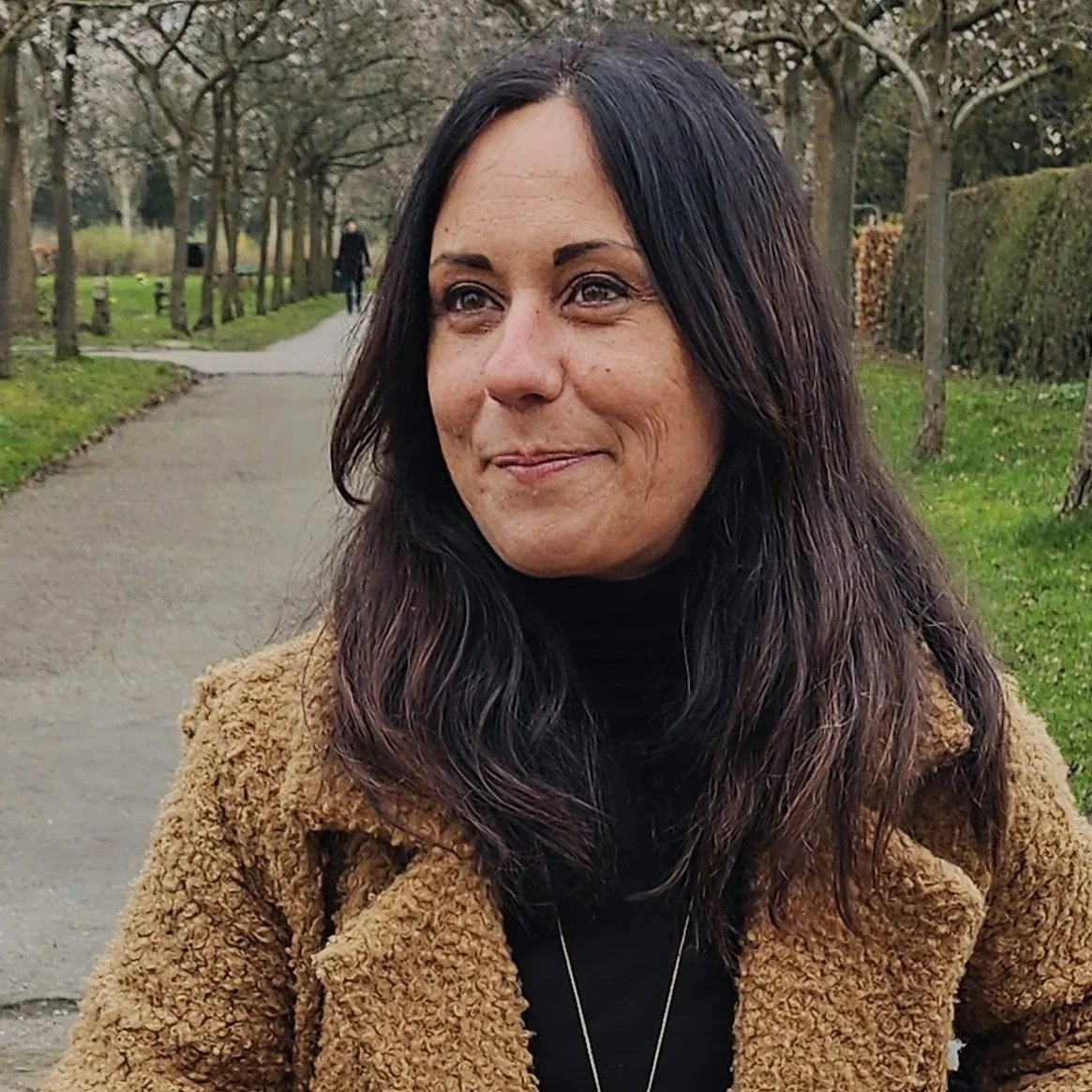
When was the last time a place revealed itself not through a landmark, but through a meal?Across South East Asia, food is rarely a solitary experience. Meals unfold at shared tables, where dishes arrive all at once, stories travel freely, and flavours reflect generations of migration, trade, and tradition. To eat well here is not simply to taste — it’s to connect.From steamy street stalls to family-run kitchens, South East Asia invites travellers to sit down together and learn a country’s rhythm through what’s served. Here’s what awaits at the table in five unforgettable destinations — and how exploring them with a local guide brings deeper perspective.Vietnam: Balance, Freshness, and Everyday RitualVietnamese cuisine is built on harmony — of texture, temperature, and taste. Meals often feature a careful interplay of fresh herbs, light broths, grilled meats, and rice or noodles, designed to be assembled and shared.At the table, you might enjoy:Phở, aromatic and nuanced, shaped by region and time of dayBún chả, grilled pork served with herbs and dipping sauceFresh spring rolls, wrapped to order and meant to be eaten communallyIn Hanoi especially, food reflects daily life: quick breakfasts at dawn, lingering lunches, and evening gatherings over low stools and conversation. Explore the city’s many unforgettable tastes with local guide Tai.Thailand: Layers of Flavour, Shared with IntentionThai meals are designed for the centre of the table. Sweet, sour, salty, spicy, and bitter notes appear together, inviting diners to explore contrast rather than hierarchy.A typical shared spread may include:Green papaya salad, bright and assertiveTom yum or tom kha gai, soups that balance heat with citrus and herbsRed, yellow and green curries, spooned over rice and passed from plate to plateIn Bangkok, food tells stories of royal kitchens, river trade, and neighbourhood traditions — best understood alongside someone who knows where those threads converge, like long time tour guide Peach, in her local neighbourhood of Bangkrak.Malaysia: A Meeting Point of CulturesMalaysia’s shared tables reflect its multicultural identity. Malay, Chinese, Indian, and Peranakan influences coexist, sometimes within a single meal, creating cuisine that is deeply layered and proudly communal.Look forward to dishes such as:Nasi lemak, rich with coconut rice and anchovy sambalChar kway teow, wok-fried noodles shaped by Chinese heritageRoti canai with dhal or curry, meant to be torn, dipped and sharedIn Penang, food is a living archive of migration and adaptation, best experienced slowly and with context. A tour with Hoo Peng is an unforgettable way to taste your way around this Malaysian foodie city.Singapore: Precision, Heritage, and the Hawker TableSingapore’s food culture thrives in its famed hawker centres: democratic spaces where strangers sit shoulder to shoulder, united by shared appetite and expectation.At the table, you may encounter:Hainanese chicken rice, deceptively simple and deeply exactingLaksa, where spice and coconut milk meetChilli crab, messy, generous, and unmistakably socialEating in Singapore is an act of cultural fluency, and a local guide like Michelle helps decode not just what to eat, but why it matters.Indonesia (the island of Bali): Ceremony, Community, and SpiceIn Indonesia, meals are entwined with ritual and hospitality. Food is often prepared collectively and eaten together, reinforcing bonds between family, neighbours, and guests.Shared dishes may include:Nasi campur, a composed plate of varied flavours and texturesSatay, grilled and served communally with saucesLawar or plecing kangkung, reflecting regional spice traditionsIn Bali and Lombok, food is inseparable from ceremony and belief — and learning this at the table in the company of locals offers insight no guidebook can provide.Sit Down, Share, and See More ClearlyShared meals slow us down. They encourage listening, curiosity, and openness — the very qualities that turn travel into understanding.Exploring South East Asia’s food culture with a local guide doesn’t just expand your palate. It offers a thoughtful, immersive perspective on how people live, celebrate, and connect.Whether you’re planning your next journey or simply imagining one, we hope this inspired a richer way of seeing the world, one shared table at a time.