
Time Magazine Names Wildlife Sanctuary One of "World’s Greatest Places to Visit”
Oct 08 2019
While things are starting to cool down in the northern hemisphere, they’re about to heat up in New Zealand. Springtime has arrived to all parts of New Zealand, and today our guide Robbie in Wellington tells us a bit about a special spot dubbed “One of the world’s greatest places to visit” in 2019 by Time Magazine.
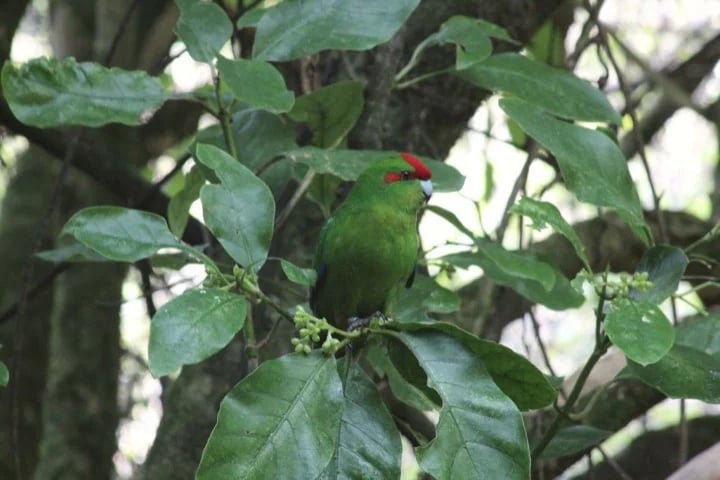
In Māori legend, the kākā parrot is the grumpy old bird of the forest, and it’s almost-balding, grey head seems to reinforce this. The kākāriki parakeet, however, is small and bright and chirpy. There is a legend about a meeting between the two which did not end well for one of them.
Both of them, however, can usually be seen at Zealandia, a wildlife sanctuary in Wellington, New Zealand.
New Zealand (Aotearoa) is one of the youngest settled countries in the world. Before 900 years ago when Māori first came to these shores, there were no humans here, and European settlement only really began in the mid-1800s. As well as no humans, there were very few, if any, mammal predators. A lot of our animals were birds and a lot of them became flightless, like our national symbol, the kiwi. But, with the arrival especially of Europeans about 200 years ago, and with them dogs, rats, cats, possums, stoats, weasels, guns and deforestation, a lot of our endemic animals became extinct. In fact, in the past 200 years, about 50 bird species were lost. The sanctuary at Zealandia has a 500-year mission to restore this 225-hectare patch of bush, right on the edge of the city, to it’s pre-human glory.
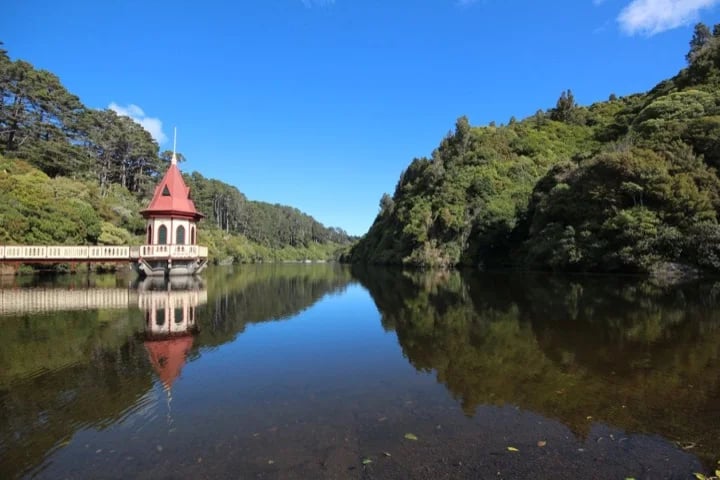
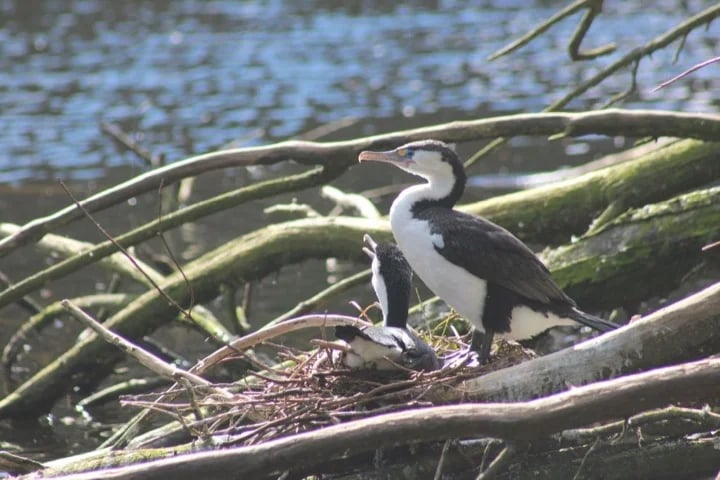
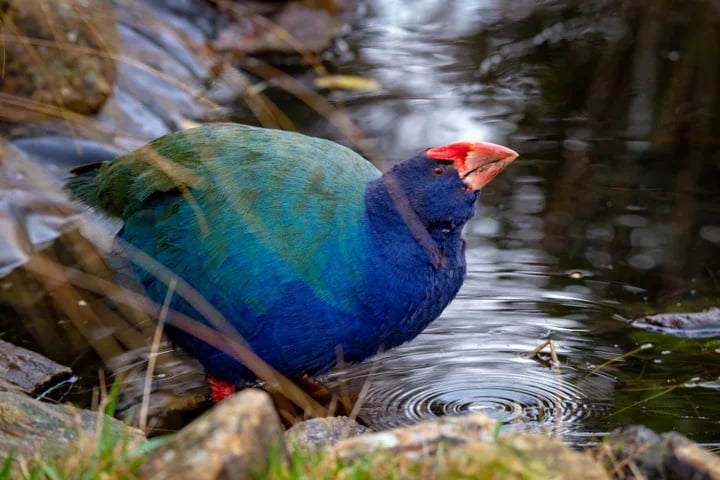
It is one of my personal highlights of this beautiful city that I call home. And not just me; in August 2019, Time magazine named Zealandia as one of the World’s Greatest Places to visit. It is a peaceful walk through paths of native bush. Kāruhiruhi are usually seen roosting on the lower lake. Kākā fly screeching overhead, or can be seen feeding at special stations. Tūī, with their unique warbling birdcalls, flit in and out of the trees. Or the kererū, one of the big, fat, lazy birds of the forest. You won’t see a kiwi during the daytime, but if you’re here overnight they offer dusk tours on specific days.
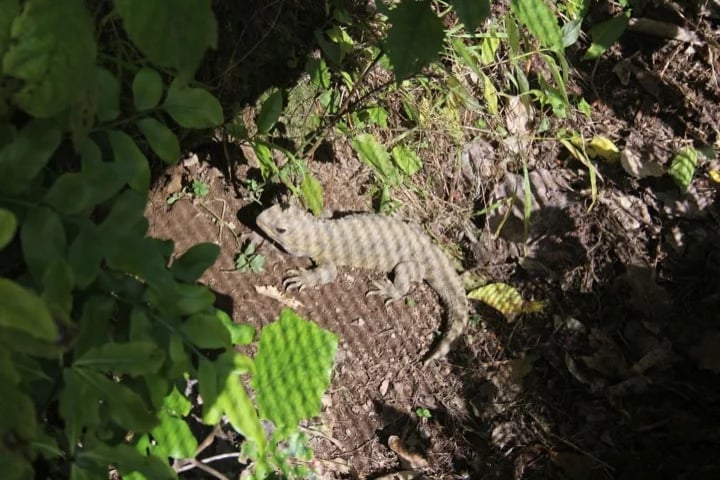
It’s not just the birds either. On a sunny day, tuatara (a living dinosaur) can often be found sunbathing. And, if you know where to look, you might see a wētā (the world’s largest insect) hiding in a tree-trunk. Some of the plants you’ll see there include the iconic Silver Fern, rangiora (‘Bushman’s toilet paper’), the aromatic tarata (lemonwood), and the tōtara (which grows to become one of the tallest trees in the New Zealand forest).
And after an hour or so of easy walking (or more, if you feel up to it), you can revive yourself with lunch at the in-house Rātā café – “modern New Zealand cuisine with a conscience and a native twist”. And, my preference, a locally-made ice-cream as well.
If you want to visit Zealandia and get out of the city, get away from the crowds, have a look at my Get Away From It All Tour on my page. This includes the morning at Zealandia, followed by the afternoon either up at the scenic Kāpiti Coast or around Wellington’s rugged South Coast.
Oh, and if you want to know the legend of the kākā and the kākāriki, then you’ll need to book soon.