
Seven Tips for Seeing the Northern Lights
Oct 29 2024
Witnessing the ethereal magic of the aurora borealis tops many travellers’ wish lists, and places like Iceland, Norway, and Finland have become increasingly popular destinations to head to with the goal of spotting the northern lights. But being a natural, changing, and unpredictable phenomenon, there’s no guarantee of seeing them.
Seven tips for increasing your chances of spotting the northern lights
1. Don’t go to places like Iceland, or any northerly destination, for the sole reason of seeing the Northern Lights. Weather conditions beyond our control affect our ability to see the lights, and sometimes weeks can go by without any sightings. There’s beauty, culture and history everywhere you turn in nordic countries – consider an aurora sighting a bonus.2. Bundle up and bring along a warm beverage in an insulated container. Pretty obvious advice, but you’ll grow short of patience if you’re feeling the cold, and you’ll need patience to see the lights! Thermals, thick socks, toques, gloves and serious winter coats and boots are a must.
3. You need a clear, dark night, so visit in between September and March for your best chance, and leave the city to avoid the light pollution. For instance, getting at least 30 minutes outside Reykjavik will make a difference to your chances in Iceland.
4. Check Aurora forecasts for solar activity, like this one: Aurora Forecast. As we write, the forecast is a 4 (on a scale of 0-9) which means that if skies are clear you have an excellent chance of seeing the dancing lights.
5. Weather in northerly countries with coastline can be unpredictable and can change in an instant. A clear afternoon in Iceland can change into a stormy evening, and cloud cover can blow away to reveal clear skies...and aurora activity. What does this mean? You might have to be patient and put in some effort over a few days to see the lights.
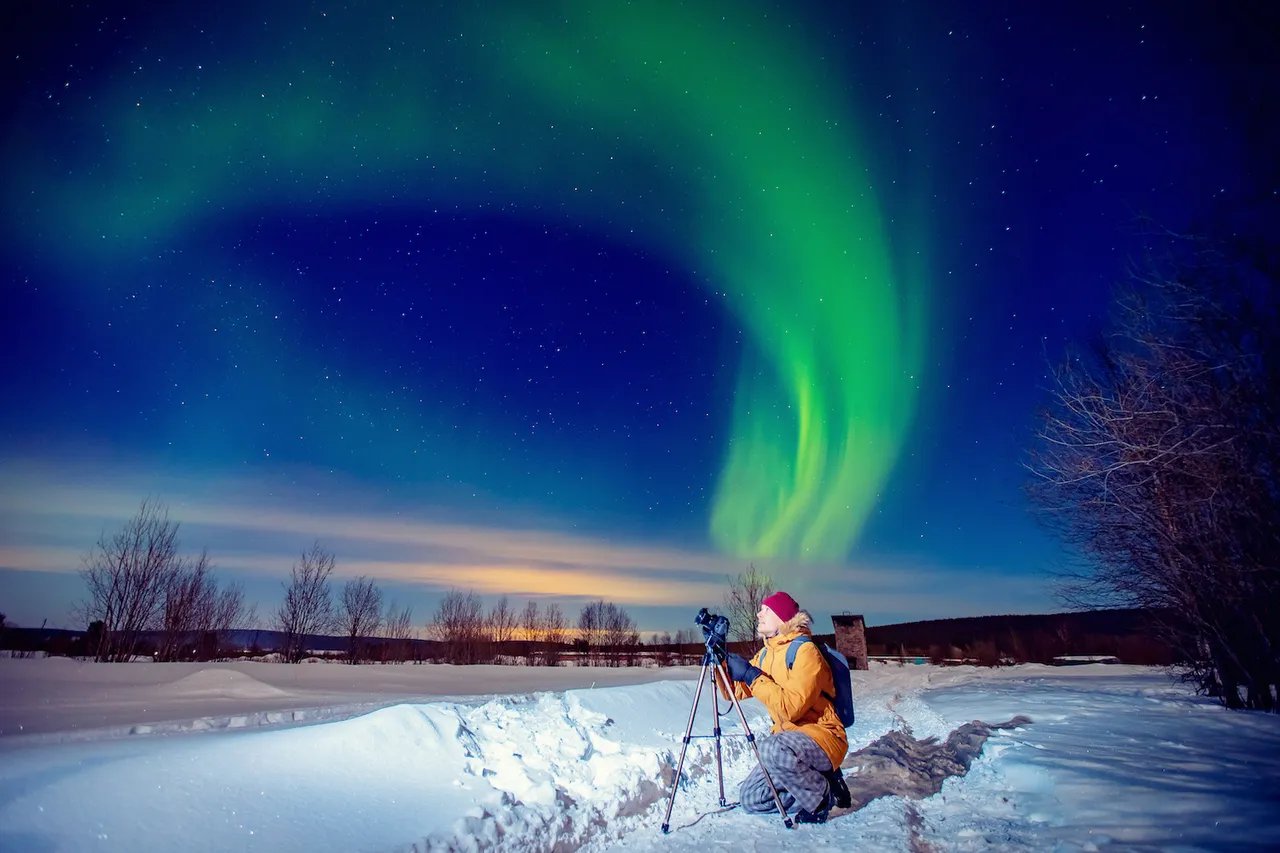
6. If you're keen on getting photos (of course you are!) pack a tripod to keep your camera steady for a long period of time, and make sure you know how to use your camera’s long exposure settings, which may reveal colours in the lights that your naked eye can’t see.
7. Our final tip? Hire a local guide. This recent review from a northern lights tour from a ToursByLocals traveler says it all: “Stefan is the true northern lights chaser. With only a small chance of seeing the lights, we witnessed the most spectacular sight I have ever seen. Highly recommended!”
