
The 10 Best Things to Do in Fukuoka, Japan
May 16 2022
In Japan’s southwest lies Fukuoka, a vibrant and historic city and the hub of the Kyushu region. Fukuoka is closer to the Korean peninsula and mainland China than any other city in Japan, which is why it played such an important role as the gateway of Japan since ancient times. Thanks to its rich history, nature, and incredible food, there are many fans of Fukuoka; a visit here is a wonderful way to explore beyond the tourist hubs of Tokyo and Kyoto.
Here are some tips to enjoy Fukuoka and the surrounding areas in Fukuoka prefecture, courtesy of local guide Kao.
Ten Best Things to Do in Fukuoka, Japan
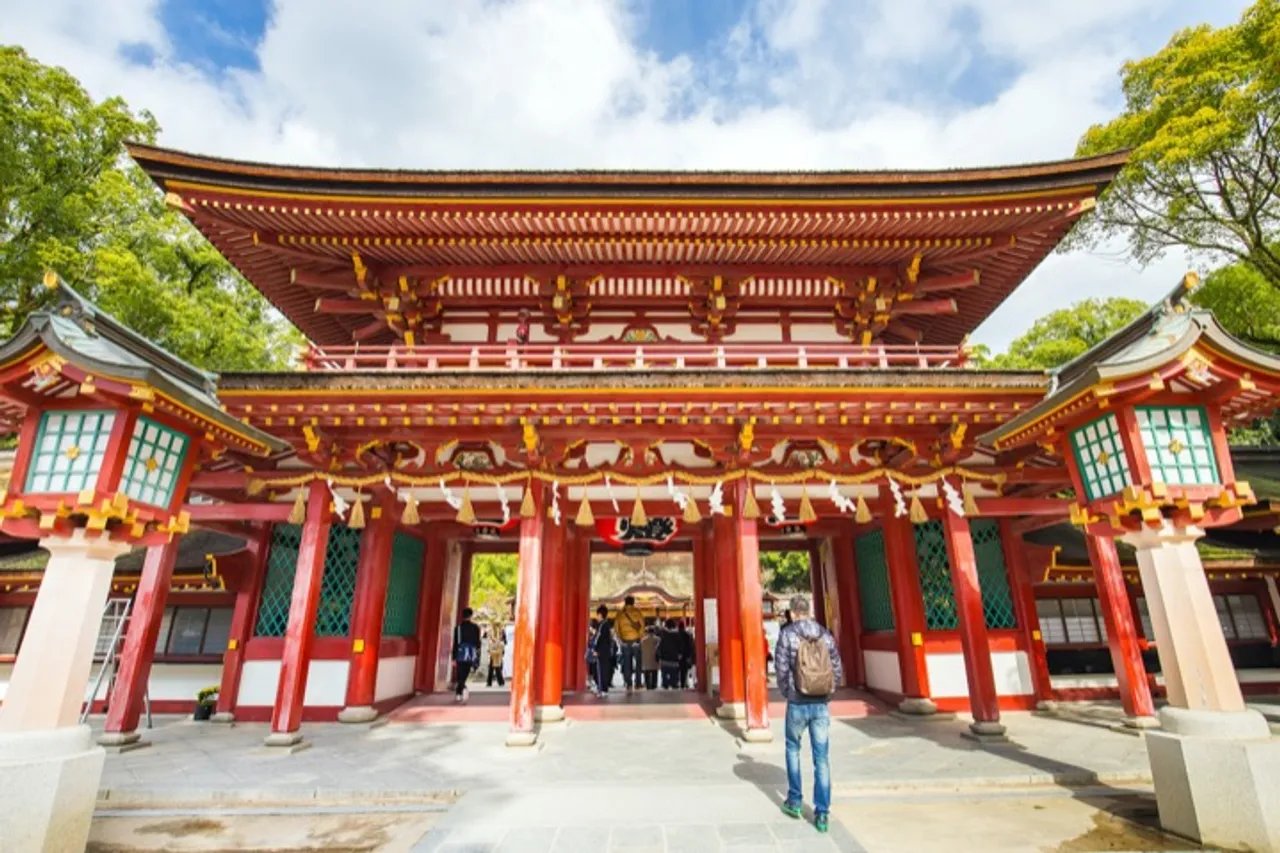
1. Dazaifu Tenmangu Shrine Dazaifu
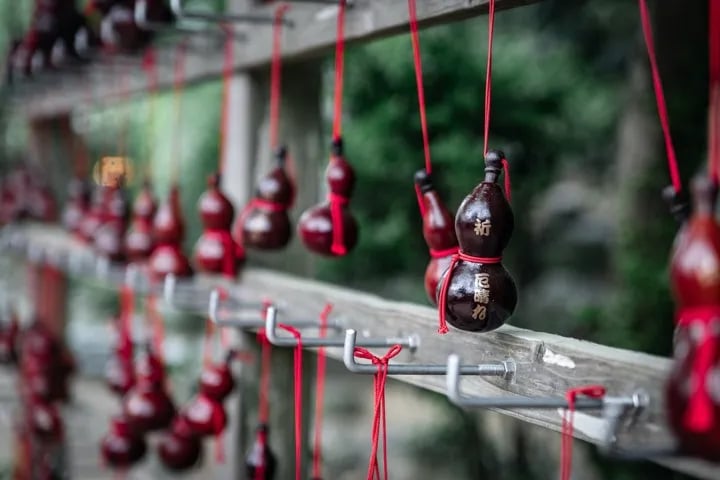
 Tenmangu Shrine is dedicated to the god of learning, Sugawara no Michizane, who was a politician and scholar in the 9th century. Dazaifu Tenmangu Shrine is the head shrine of all 12,000 Tenmangu Shrines throughout Japan. Not only the traditional architecture surrounded by long-standing camphor trees and a sacred atmosphere but also by about 6,000 plum trees and other seasonal flowers all year round. There is a lively shopping area, and a local specialty 'Umegae Mochi' which I like; it is not too much to say that this is the most popular spot to visit in Fukuoka.
2. Temples and Shrines in Hakata
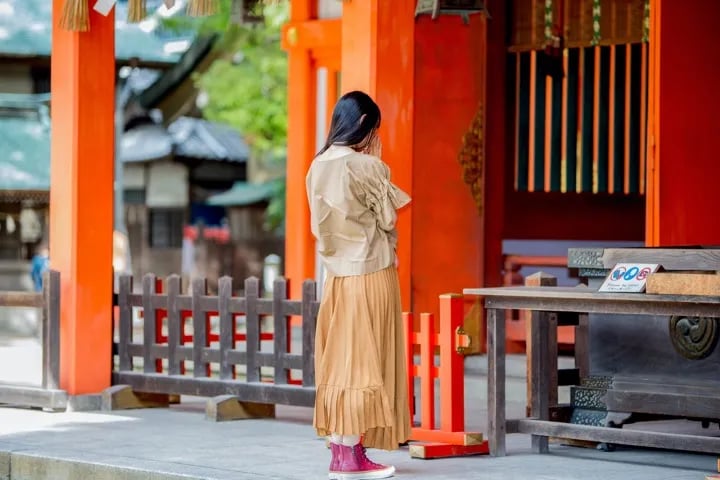
 Even though they are located near the busiest train station in Hakata, Fukuoka, once you step in behind the modern buildings there is a scene of many old temples and shrines in the Hakata area. Some examples are; Kushida Shrine which is known for being the host of the most famous festival Gion Yamakasa Festival held in July, its dynamic decorative float is displayed in the grounds. Shofukuji Temple, founded in 1195, was the very first Zen Temple in Japan. Tochoji Temple, known to be the first temple built by a famous monk Kukai, has the biggest wooden Buddha statue in the country, a five-story pagoda, and local lords' graves, the Kuroda clan. What’s more, they are all within walking distance of each other.
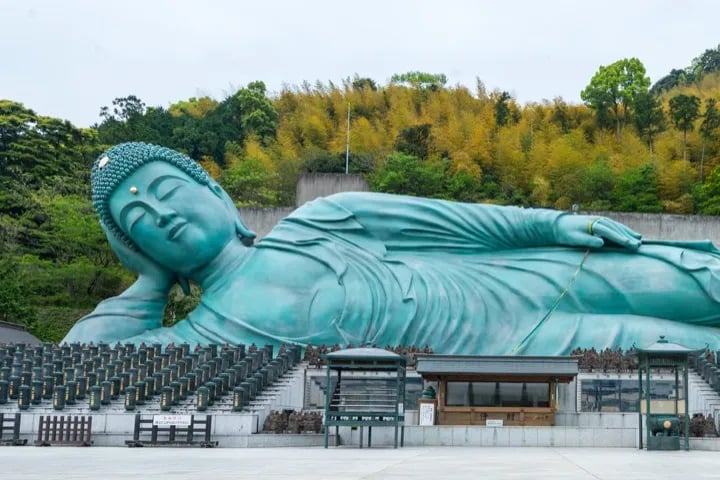
3. Nanzoin Temple
 Just a 23-minute journey from the city center of Hakata, Fukuoka, by train, you will be overwhelmed by the huge reclining Buddha of Nanzoin Temple, located in a rural area. This is the largest bronze reclining Buddha statue in the world! It is 40m long, 11m high, and about 300 tons. It has been respected as a sacred place of worship and has been believed to give worshippers spiritual powers.
4. Kawachi Wisteria Garden
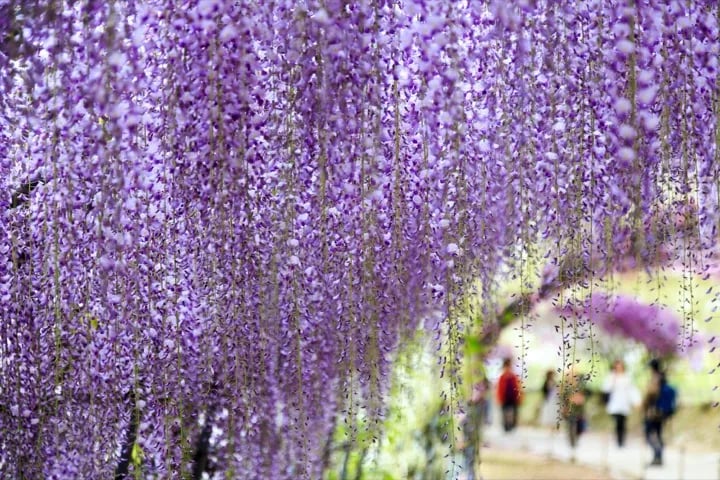
 Your chance is limited to see this mesmerizing color of Kawachi Wisteria Garden, in Kitakyushu, since the blooming period is so short from the end of April to the beginning of May. During this time, the garden is filled with fragrance that you can constantly smell while strolling around. Its beautiful wisteria tunnel is purple, white, pink, and light blue, and looks like wisteria curtains.
5. Hiraodai Karst Plateau
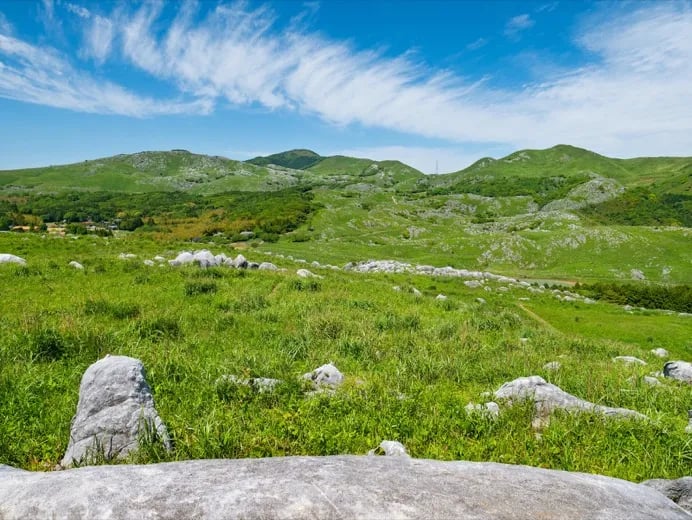
 Unfortunately, so many tourists miss this place, Hiraodai Karst Plateau, in the south of Kitakyushu, Fukuoka. Its topography is formed by the corrosion of limestone which used to be near the equator more than 30 billion years ago and moved here due to the tectonic plate. There are many ideal hiking trails to enjoy the plateau, unique limestone shapes, stunning scenery, and fresh air.
6. Yame
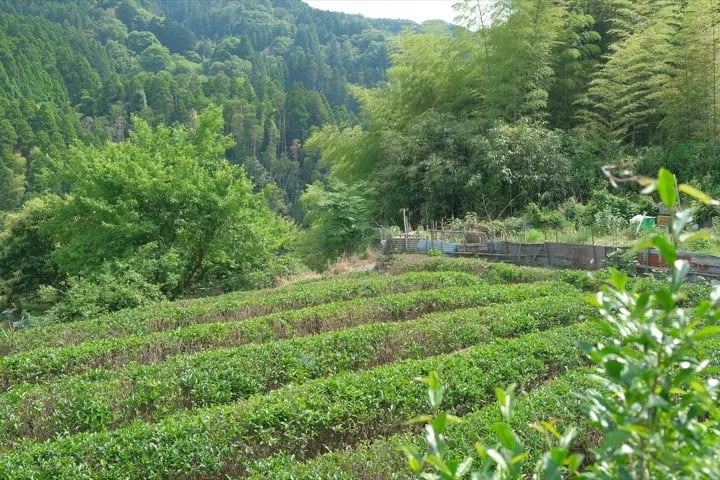
 Just a one-hour drive from Fukuoka takes you to the Yame region, located in the inner part of Fukuoka prefecture. It is blessed with stunning nature. It is famous for its tea production, and traditional arts such as Buddhist altars, stone lanterns, and more. Yame tea is popular as a high-quality and rich flavor tea. The green tea tastes so good and the soft ice cream is also recommended. Daniel Inoue, a United States Senator from Hawaii from 1963, has roots in Yame. A bust of Inoue, created in honor of his achievement, stands near the historical stone bridge over the stream of clear water.
7. Itoshima
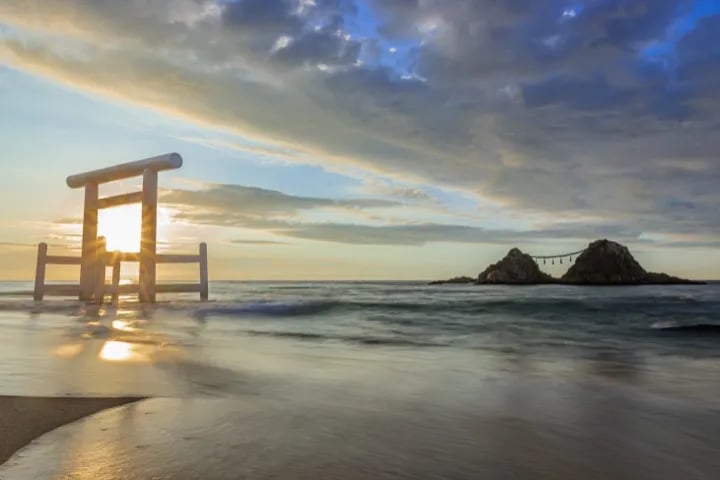
 One of the most popular places among Fukuoka people, Itoshima faces the beautiful sea view. A white shrine gate in the seawater and a couple of grand sacred stones are the symbols. Itoshima shows off both the sea and the mountain, Sennyoji Temple, located in Mt. Raizan, offers its own distinctive atmosphere. The 400 years of maple tree leaves in the ground of the temple gorgeously change their colors to red and yellow in autumn.
8. Kokura Castle
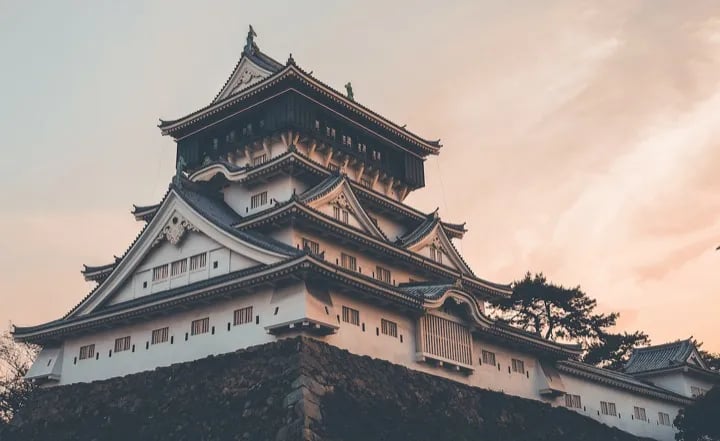
 The elegant appearance of Kokura Castle was founded more than 400 years ago in Kitakyushu. The original castle was burned in a war before Japan changed the political system from the samurai ruling to the new government with the emperor at its head. The current castle tower was restructured in the 1960s and used today as a museum. It is the only castle with a tower within Fukuoka prefecture.
9. Yanagawa
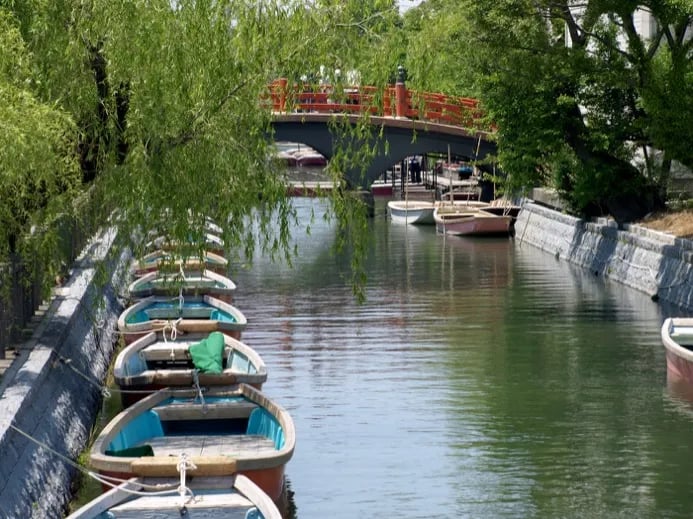
 Yanagawa is known as 'The City of Water' since the city is filled with a myriad of water channels that make up the moat of the castle. One of the most popular things to do here is to take a ride in a punting boat which is moved forward by pushing against the waterbed with a long bamboo stick used by a skillful boatman. The punting boat has no engine, so it runs smoothly without noise. The sound of the wind and water will take you to a relaxing place with peace of mind to heal your stress easily. Ohana, a villa of the local samurai Tachibana clan, has a Japanese garden, a restaurant, and a gift shop. The local specialty is 'Unagi' eel cuisine. Don’t miss Hina Doll Festival in Yanagawa, celebrating girls' prosperity and good health, from the middle of February to the beginning of April, which creates a splendid atmosphere.
10. Yatai & Ramen noodles
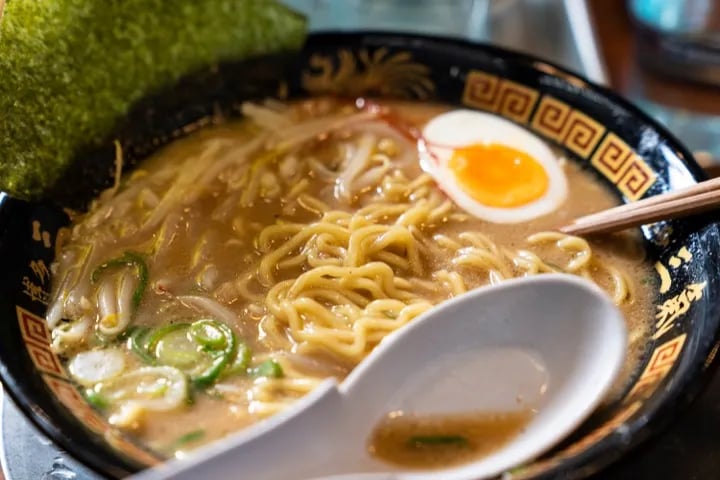
 Love food? If yes, Fukuoka is the right place for you to enjoy! From casual to high class, from delicious Saga and Miyazaki brand beef steak to super-fresh seafood. One of the unique features of Fukuoka is the Yatai culture. It is a food stall that appears after the sunset and offers local dishes, the Ramen is an absolute must!