
Ultimate Guide to Iceland’s Most Scenic Destinations
Apr 06 2021
Today, Iceland is opening its borders to all fully vaccinated travelers with no need to quarantine. As one of the first countries in Europe to do so, it's stirring up a lot of interest! Will you be getting on a plane and satisfying your wanderlust with a trip to this Scandinavian country sometime soon? And if so, do you have any idea what you’ll do once you get there? We’re here to help, with a quick guide to the best of Iceland.
Many of the guides on our team here have been leading private tours around Reykjavik, the Golden Circle, and other parts of Iceland for over a decade. During this time, they’ve introduced thousands of travelers to Iceland's other-worldly landscapes. We tapped their collective knowledge to share with you the best spots to get outside and enjoy their country's unique natural beauty.
Guide to Iceland’s Most Scenic Destinations
Icelandic nature is magnificent: glaciers, huge waterfalls, big rivers and mountains everywhere. Iceland is made for activity and outdoor tourism. You can go river rafting, horseback riding, dog-sledding, whale watching, swimming in the wonderful hot springs and lagoons, enjoy adventurous hiking, or simply walking and driving in the mountains in and around Reykjavik, the capital of Iceland.Icelanders are outdoor enthusiasts. Mountain hiking is a national hobby and is one of the ways Icelanders use to keep fit. Many Icelanders go to the mountains after work and during the weekdays. Every summer a substantial part of the Icelandic population goes on mountain hikes, a one-day hike or several days' hike on one of our country’s fantastic trails. The options are many, so why not? The climate is fantastic for running and jogging, the temperature is usually not warmer than 15-20°C (around 59-68°F) with nice cool wind and sometimes - of course - the rain that keeps everything green. For many in Iceland, the favourite activity is hiking. Icelanders love spending time in the peaceful atmosphere of the mountains in and around Reykjavik. Some favourite hiking destinations nearby the city are: Mt Esja, our capital’s mountain; sacred Mt Helgafell (both mountains are among the most popular hiking mountains in Iceland) and hiking to Fimmvörduhals, a trail between glaciers Eyjafjallajokull and Myrdalsjokull on the south coast of Iceland.
While hiking, you get firsthand knowledge of the land you are traveling in. You can see and feel what kind of nature the country has, get to know the herbs and plants and see what they look like, meet other people on the trails, listen to interesting information and folk tales and get to know how the Icelandic people have survived in this country. In earlier days they had to use their imagination to spin stories and of course those stories all took place in Iceland’s wild outdoors. Local guide Elsa has a tip for a gentle walk: “Right in the middle of Reykjavik City we have a beautiful gem called Elliðaárdalur Valley. Take a lovely walk in the valley, where the smell of the pines in the forest along with the sound of Elliðaá river makes you feel like you are in a secluded area, not in the middle of the Capital City of Iceland. You most likely run into rabbits, might catch a sight of fresh water salmon, and for sure you will see a beautiful waterfall, even more than one.”
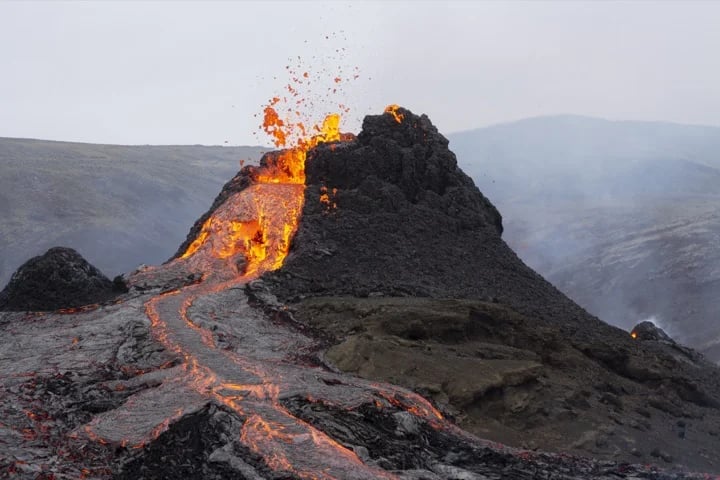
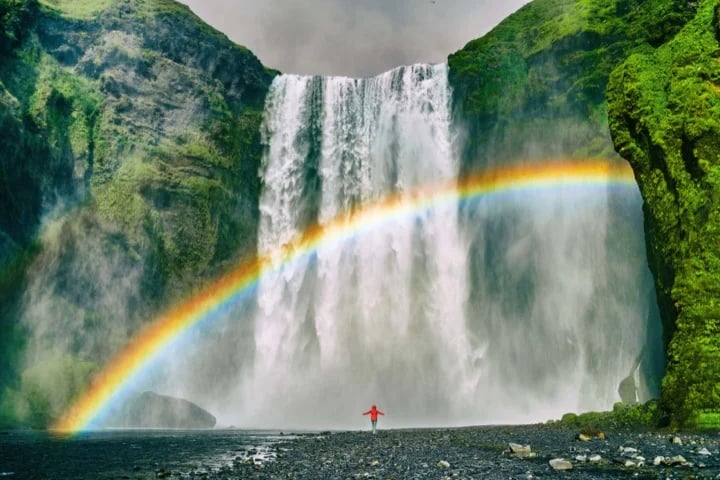
Besides the mountains near the capital, four parts of Iceland are long-running favourites: the South Coast; Reykjanes Peninsula; the Snaefellsnes Peninsula; and the North-Eastern part of Iceland. They are beloved by Icelanders and visitors alike. On the South Coast there are some of the biggest glaciers in Iceland, some of the world's best known and most active volcanoes, Iceland's most wonderful waterfalls and even a possibility to sail among icebergs on a glacial lagoon. Nothing can top this. “The black sand beach Reynisfjara is among the most stunning and most photographed places in Iceland” explains local guide Birkir. “The waves at Reynisfjara are especially strong and unpredictable. Out in the sea are the spectacularly shaped basalt sea stacks called Reynisdrangar.”
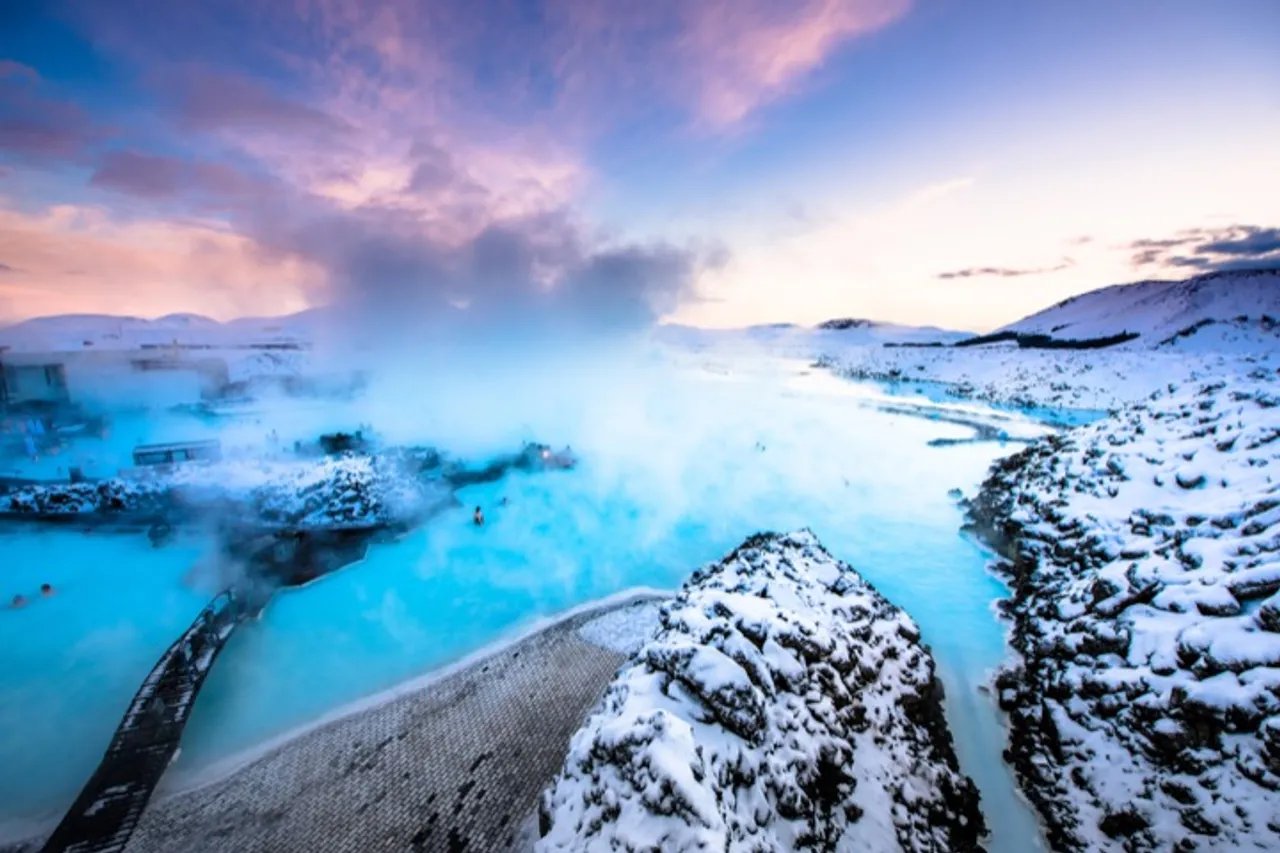
 The Atlantic Ridge comes out of the ocean in Reykjanes Peninsula. There are geothermal areas, volcanoes and craters, lava fields, the Blue Lagoon, the former US base, Keflavik (the rock and roll town in Iceland) and the bridge between the two continents - Europe and America. Local guide Bjorn describes this region: “The charismatic and the rugged landscape of the Reykjanes peninsula never ceases to amaze me. There you can witness nature in its wildest form and in this geopark you can literally watch the ground boiling. It's a true nature gem close to Reykjavik and I urge people not to miss it when in Iceland.”
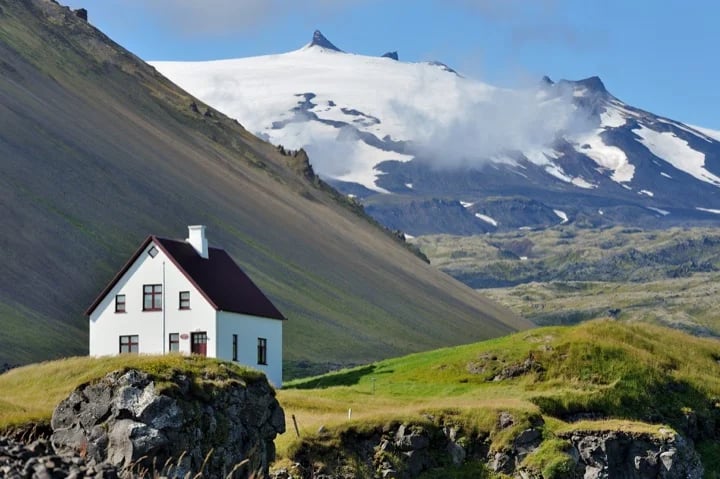
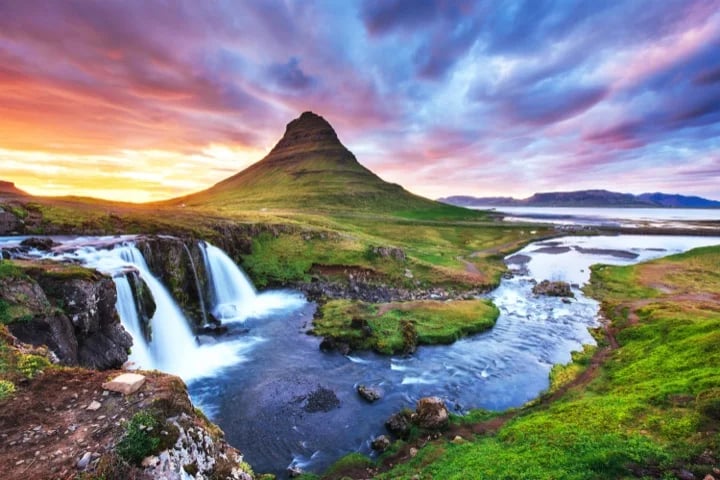
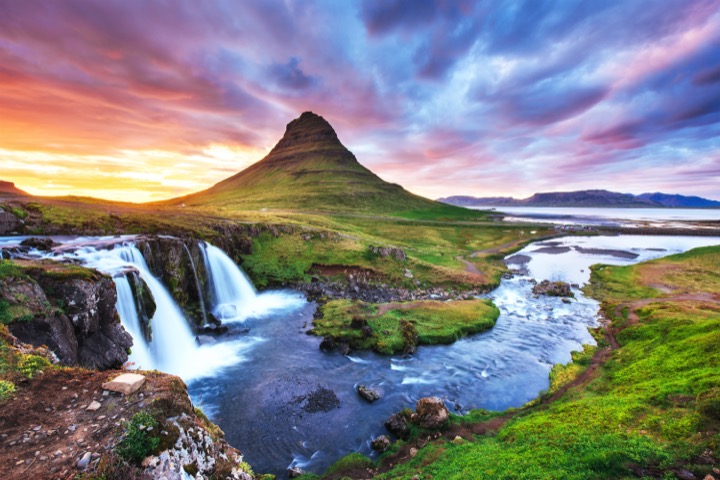
 Snaefellsnes Peninsula has the fantastic National Park with the glacier Snaefellsjokull (with its entrance to the centre of the earth), sand beaches, lava fields, interesting fishing towns and many unusual rock formations. Local guide Fridjon explains: “We say that if you have limited time while you are here, the Snaefellsnes peninsula is kind of an all-in-one tour. There is a glacier, volcano, lava cave, bird cliffs, black sand beach, craters, trolls, the most photographed mountain of Iceland, Kirkjufell, beautiful waterfalls and so much more.”
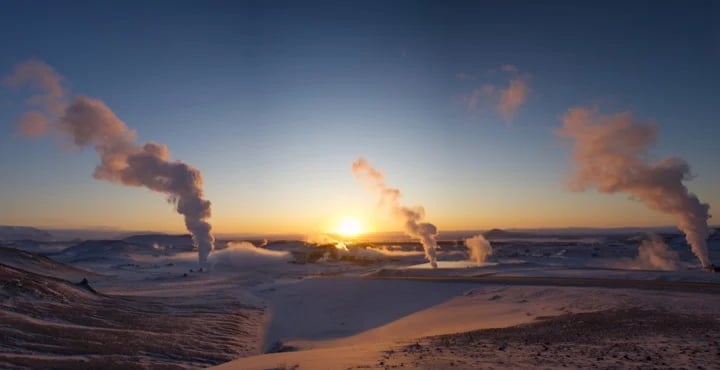
 The northeast of Iceland is famous for its fantastic beauty with Lake Myvatn and geothermal area, glacial river Jokulsa a Fjollum, Asbyrgi park and the black dessert on the way from the northern part to the eastern part of Iceland. Local guide Reynir describes it: “North Iceland is a veritable string of jewels, whose nature attracts people of all ages. Here you’ll see places like Goðafoss, one of the most spectacular waterfalls in Iceland, and Lake Mývatn, created by a large basaltic lava eruption 2300 years ago. The surrounding landscape is dominated by volcanic land-forms, including lava pillars and rootless vents, bubbling pools of mud and steaming fumaroles emitting sulfuric gas.”
We hope this short guide to Iceland's landscapes has given you some idea of what awaits you in Iceland, why you should visit this remote island in the middle of the North Atlantic, and what to do while you’re here. The local guides look forward to seeing you soon! If you are a traveler planning a trip to Iceland this spring or summer, or even just thinking about a trip to Iceland in the more distant future, consider starting a conversation with one of our guides. You can find them all here: ToursByLocals guides in Iceland. They can't wait to welcome you for a visit!