Choose a currency
ToursByLocals Blog Posts
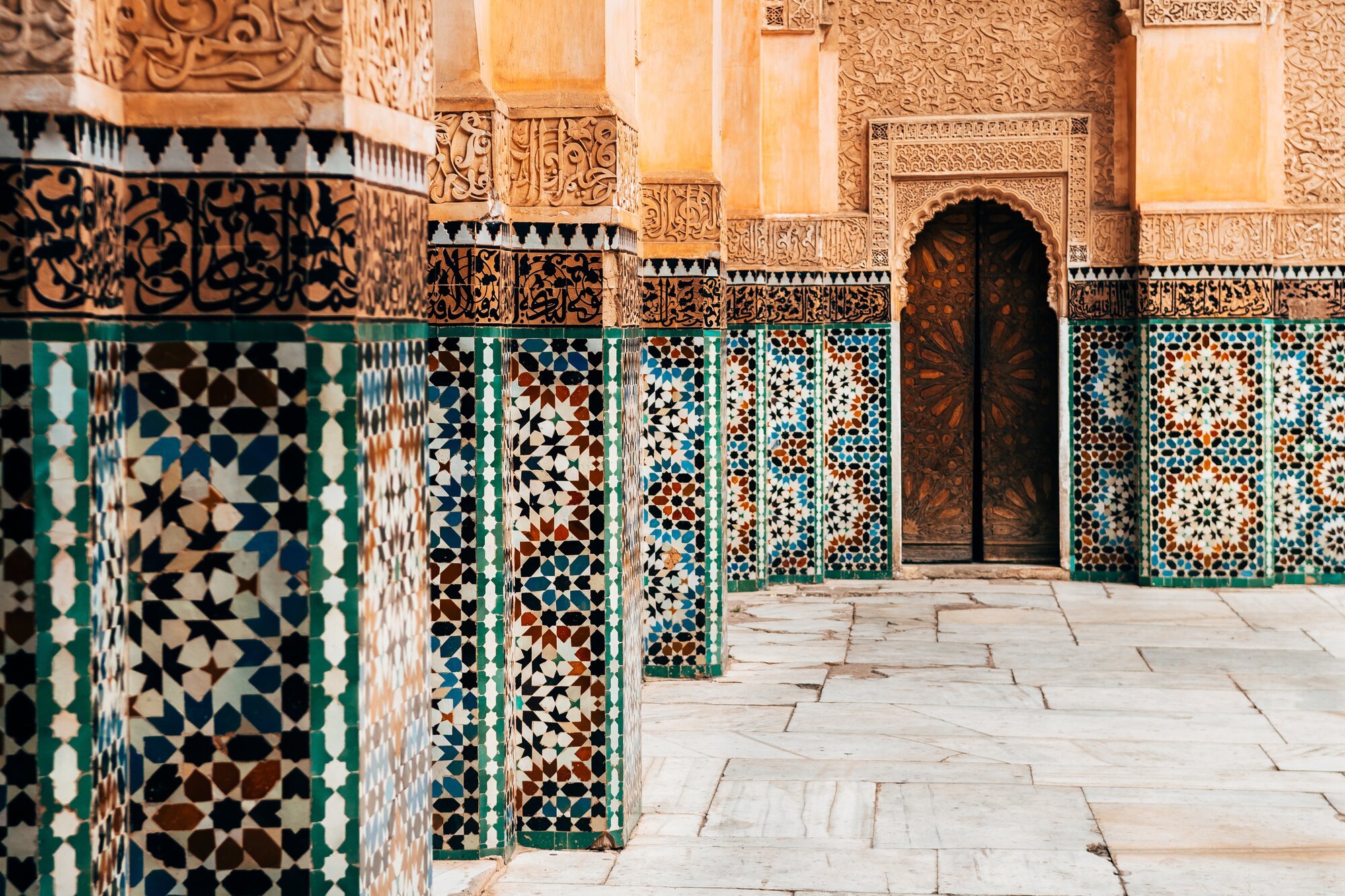
Where to Go in North Africa: Morocco, Tunisia and Egypt
Sep 16 2026
Three Ways to Experience North Africa: Morocco, Tunisia and Egypt
North Africa is a region that rewards curiosity. Within a relatively small corner of the world, you can wander through centuries-old medinas, stand before monuments built thousands of years ago, cross desert landscapes and finish the day over a plate of fragrant couscous, tagine or freshly grilled seafood.
Morocco, Tunisia and Egypt each offer a very different way into the region. Morocco draws you into its cities and everyday rhythms; Tunisia layers coastal Mediterranean life with an extraordinary depth of history; and Egypt puts some of the ancient world's greatest landmarks within reach, often along the banks of the Nile.
Here’s a bit about what to expect from each country, and where you might want to go.
Morocco: medinas, mountains and the Sahara
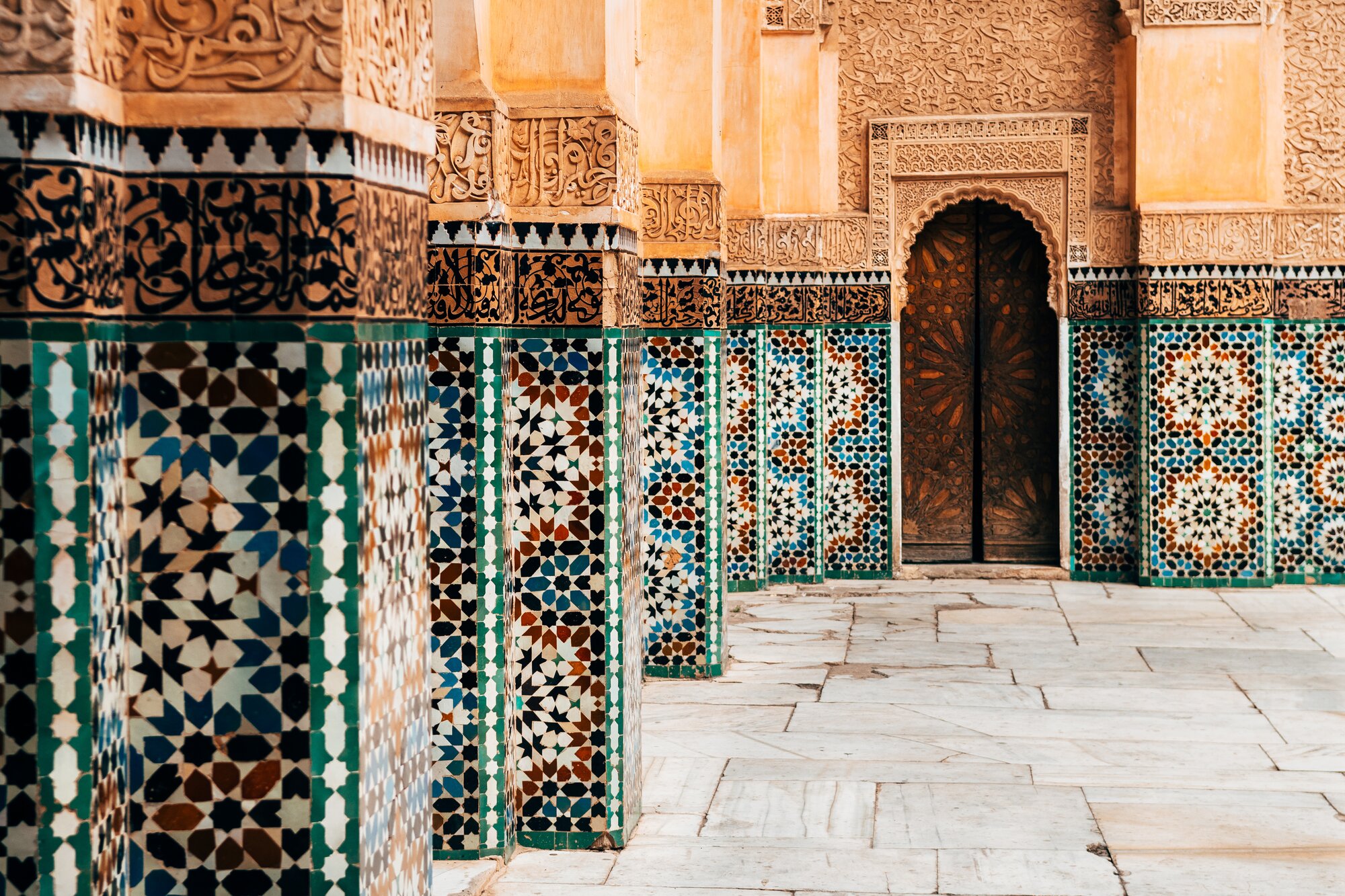
Morocco is wonderfully varied. One day you can be navigating the lanes of an old medina, the next visiting a village in the Atlas Mountains, and a few days later watching the sun set over Saharan dunes.
Marrakech is the natural starting point for many first-time visitors. Its medina is packed with souks, courtyards, gardens, food stalls and workshops, while Jemaa el-Fna - the city’s heart and giant gathering place - changes character throughout the day and into the night. This is also a place where exploring with a local guide can make a real difference: what initially looks like a bewildering tangle of lanes becomes a neighbourhood full of artisans, traditions and favourite places to eat.
For a different urban experience, head north to Fez, whose UNESCO-listed medina is one of Morocco's great historic centres. Its narrow lanes, traditional workshops and monumental architecture can easily fill several days. Chefchaouen, tucked into the Rif Mountains, offers a slower pace and its famously blue-washed streets.
Then there’s the landscape beyond the cities. Travellers can cross the High Atlas mountains, visit fortified villages and kasbahs around Ouarzazate, or continue towards Merzouga and the dunes at the edge of the Sahara. On the Atlantic coast, Essaouira makes an appealing counterpoint to the inland cities, with ramparts, a working fishing harbour and an easygoing seaside atmosphere.
Build your itinerary around: Marrakech, Fez, the Atlas Mountains and desert, with Chefchaouen or Essaouira if time allows.
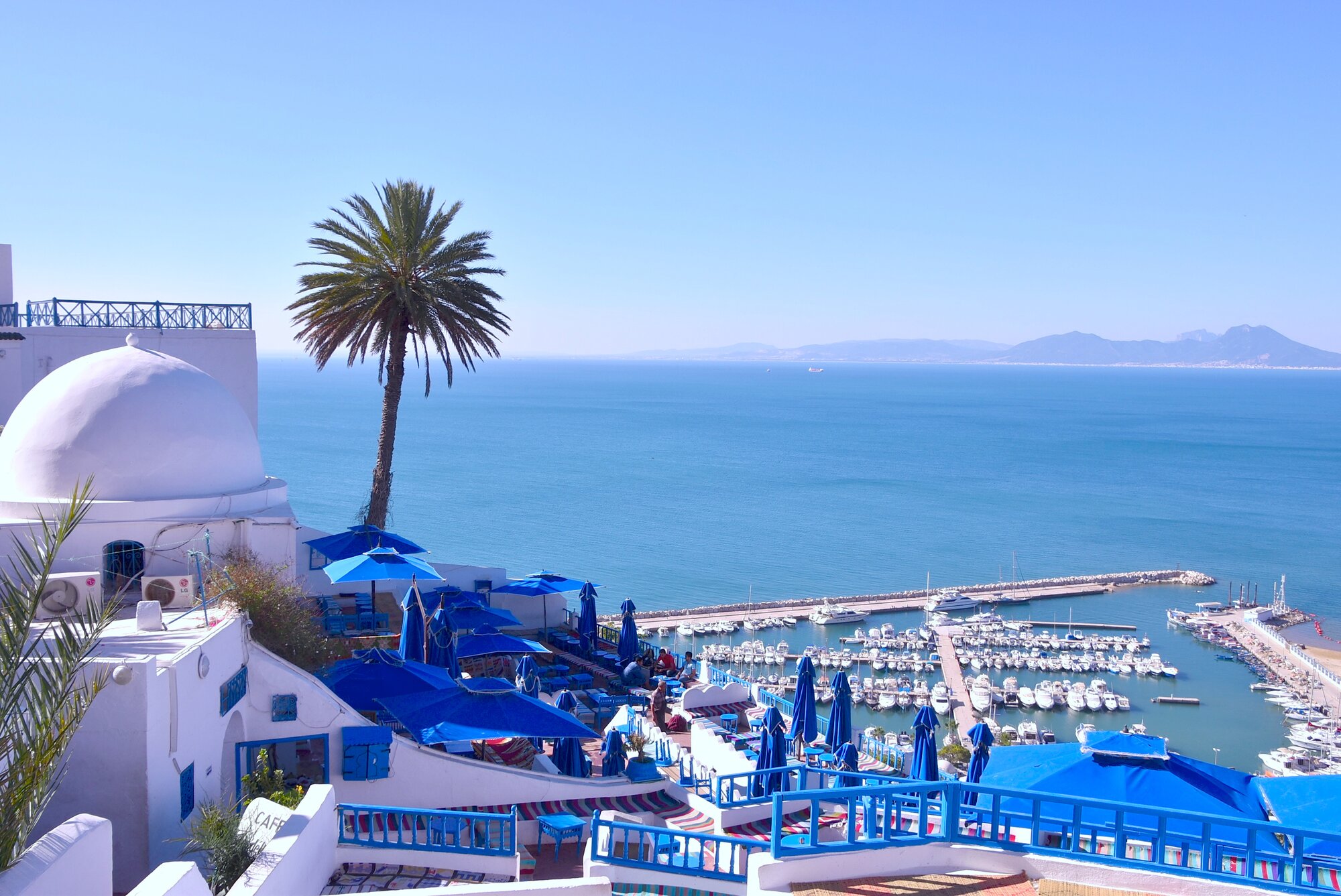
Tunisia: ancient history meets the Mediterranean
Tunisia sometimes flies under the radar beside its North African neighbours, which is a shame. It packs an impressive amount into a relatively compact country: Roman ruins, whitewashed coastal towns, old medinas, beaches and Saharan landscapes.
Start in Tunis, where the old medina sits at the heart of the modern capital. From here, two of Tunisia's most appealing stops are remarkably close. The ruins of Carthage, once the powerful Mediterranean rival of Rome, are scattered through a leafy seaside suburb, while nearby Sidi Bou Said climbs above the Gulf of Tunis in a photogenic tumble of white buildings, blue doors and bougainvillea. The two can easily be combined, making the capital an excellent base for the beginning of a trip.
Farther south, El Jem is home to an enormous Roman amphitheatre that immediately reveals just how deep Tunisia's ancient history runs. Travellers interested in the country's Mediterranean side might continue to coastal communities and beaches, while those drawn to the desert can head south towards oasis towns, Berber villages and the Sahara.
Tunisia is particularly well suited to travellers who like history but don't want an itinerary devoted entirely to monuments. A local guide can help connect its Punic, Roman, Arab and more recent history while leaving plenty of room for markets, cafés, food and time by the sea.
Build your itinerary around: Tunis, Carthage and Sidi Bou Said, then add El Jem and either the Mediterranean coast or the desert south.
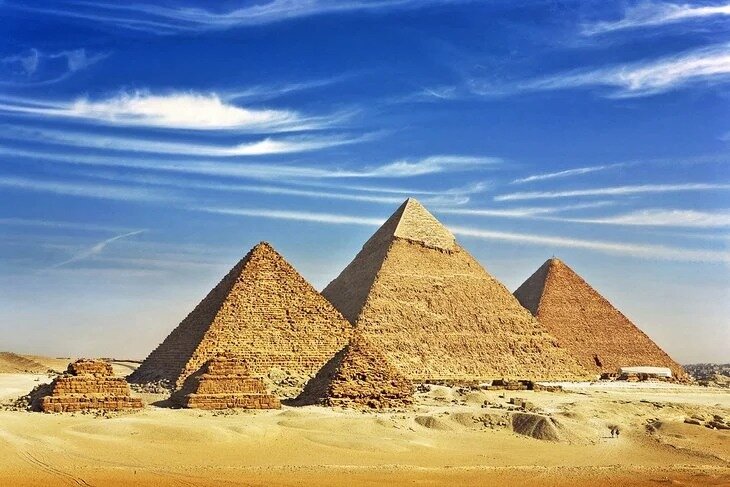
Egypt: follow the Nile through history
Egypt is different again. For many travellers, the first trip is shaped by a string of names they've known since childhood: Giza, Luxor, the Valley of the Kings, Karnak, Abu Simbel. Seeing them in person is the reason for going, and they live up to their billing.
Begin in Cairo, where the Pyramids of Giza sit alongside one of Africa's largest and busiest cities. Did you know these pyramids are the only Ancient Wonder of the World still remaining? The capital is also home to the Grand Egyptian Museum, while its historic neighbourhoods, mosques, churches and markets reveal layers of Egyptian history well beyond the age of the pharaohs.
From Cairo, the Nile becomes the thread that ties much of a classic Egyptian itinerary together. Luxor puts you within reach of Karnak and Luxor temples on the east bank and the Valley of the Kings on the west. Continue south to Aswan for a gentler pace, the Temple of Philae and trips to Abu Simbel. Travelling part of the route by Nile cruise or traditional felucca adds a completely different perspective on the landscape. Egypt's official tourism resources identify Cairo, Luxor and Aswan as core itinerary stops, with Alexandria, desert oases and the Red Sea among the natural additions for a longer trip.
Egypt is also somewhere a knowledgeable local guide can add enormous value. At a temple or archaeological site, it's easy to be impressed by sheer scale; understanding what you're looking at, why it was built and how the pieces fit together turns that spectacle into something much richer, and more memorable.
And Egypt isn't only about antiquity. Add Alexandria for Mediterranean history and seafood, head into the Western Desert for oases and striking desert scenery, or finish with a few days beside the Red Sea.
Build your itinerary around: Cairo and Giza, Luxor and Aswan, with Abu Simbel, Alexandria, the desert or Red Sea added according to your interests.
Which North African journey is yours?
These three countries share a region, but are far from a singular travel experience. Choose Morocco for bustling medinas, food, crafts and dramatic changes of landscape. Choose Tunisia for a mix of Mediterranean life, ancient ruins and desert. And choose Egypt when you want to get close to some of the most extraordinary surviving monuments of the ancient world.
Whichever direction you take, give yourself time to look beyond the headline sights. Explore a market with someone who knows where to stop, and what to look for. Ask what people actually eat at home, and maybe even learn how to prepare a new meal. Begin to understand why one neighbourhood looks different from the next. And let a local guide provide the context that helps an unfamiliar place begin to make sense.
In North Africa, the famous landmarks may be what first catches your attention. The experiences in between are often what make you want to stay longer.