
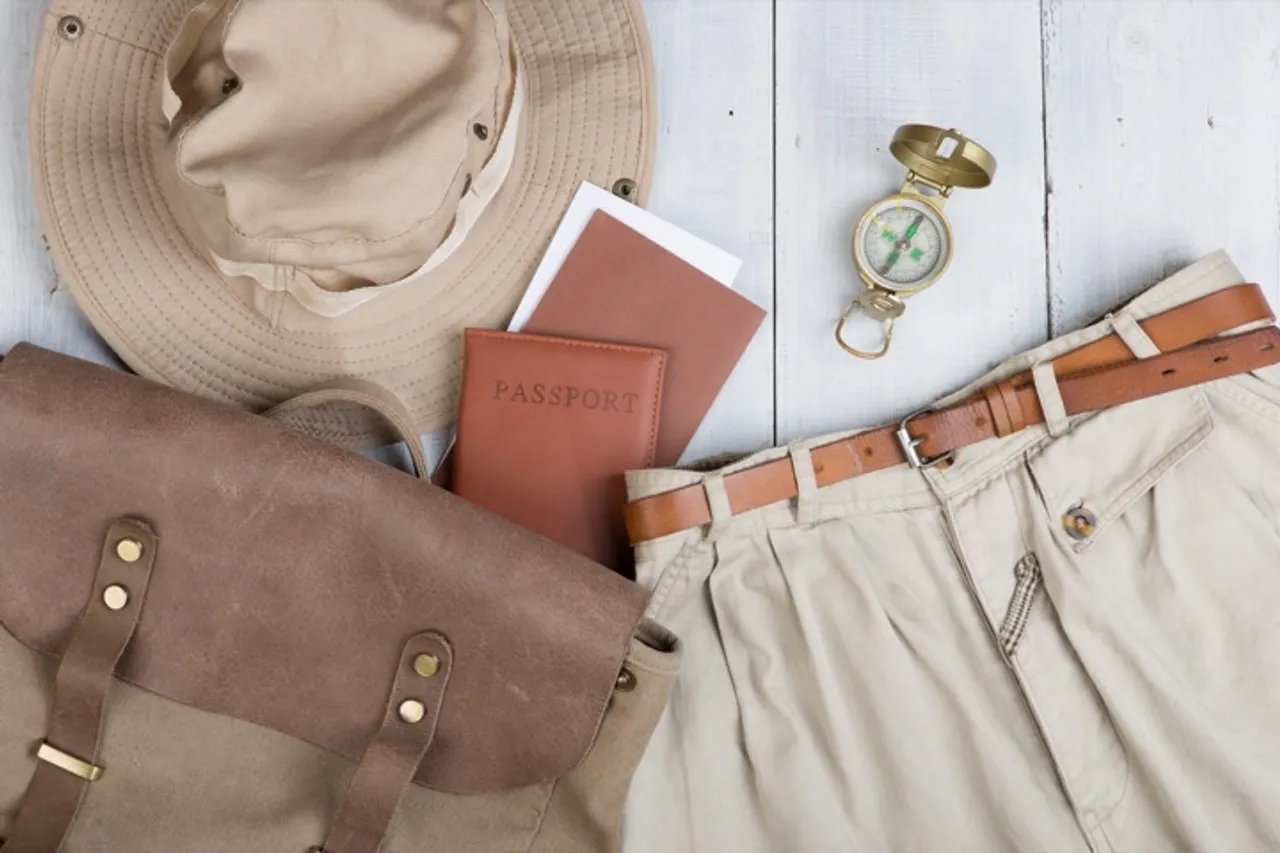
The Ultimate Safari Packing Guide
Aug 02 2022
A safari is an experience unlike any other, and therefore your packing list will look a little different than other trips you've been on. Your safari is likely a long way from home, and a long way from a shopping mall (even though many lodges have beautiful curio shops and necessary supplies) so you’ll want to make sure you’re prepared with everything you’ll need for your trip.
Here are some general things to know when packing for your safari:
Opt for comfort and practicality:
Don’t overthink your outfits; safari chic is always fun, but you’ll likely be on a game vehicle for most of your trip, spending long hours bumping around on dirt roads in the bush. Comfort and practicality is key, so you can settle in and enjoy the wildlife.
Pack a neutral colour scheme:
Select clothing with earth tones such as khaki, green, grey and brown, to blend into your natural surroundings and avoid distracting the animals, and stay cool while doing so.
Check the onsite offerings:
Your lodge will most likely provide you with certain items such as a poncho for rain, a blanket for the cold, insect repellent, shampoo and conditioner, and possibly even binoculars to borrow. Ask your knowledgeable ToursByLocals guide what to expect so you don’t over- or under-pack!
What to Pack for your African Safari
1. DOCUMENTS
Bring physical and digital copies of:- Valid passport for international flights - Photo identification - Travel insurance - Transportation confirmation (eticket with booking code, shuttle voucher, etc.) - Applicable visas (check what's needed for your destination) - Applicable travel medical certificates (consult a travel doctor) - Any vaccination documents or testing documents if required by the country for COVID.
2. GEAR
BaggageUse either a backpack or suitcase as your main luggage.
For game drives, bring a small, hardy day bag for your necessities (phone, camera, water, sunscreen, layers).
Binoculars
A safari must-have, binoculars will enhance your sightings immensely, allowing you to observe the animals up-close and personal. Don’t leave these at home!
Photography equipment
Many safari enthusiasts love to capture their incredible sightings with a proper camera, to create high quality photographic memories to be revisited after the trip. Bring a zoom lens, memory cards, spare battery, and charger.
A phone is always great for a quick video capture (and let’s be honest: making your friends back home jealous over social media).
3. SUPPLIES
SunscreenPack 30 SPF sunscreen or higher — that African sun is intense and it’s easy to burn if you’re not careful.
Medication
Consult a travel doctor to determine if yellow fever vaccine, malaria pills, or other prescriptions are recommended for your destination. Bring any medication for your personal needs.
Insect repellent
Mosquitoes aren’t always present on safari, but when they are, they are extremely pesky and even pose malaria risk. 30% DEET or higher is recommended.
Toiletries
Bring everything you need for your day-to-day routine (toothbrush, toothpaste, deodorant, lip balm). Also pack shampoo, conditioner, soap, and moisturizer (in case the lodge doesn’t provide them).
4. ACCESSORIES
HatBring a wide-brimmed hat or baseball cap to shield your face from the sun. Ensure your hat is fitted to your head or has a strap so it won’t fly off on game drives.
Sunglasses
Protect your eyes from the blinding sun for the clearest animal sightings with polarized sunglasses.
5. CLOTHING
ShirtsA lightweight linen shirt is ideal for protecting your skin from the sun. Bring a fleece top for layering up on those cold mornings and evenings. Wear a short-sleeved or sleeveless top on the warmer days.
Pants
Pack comfortable, breathable pants in your favourite safari shade. Bring shorts to allow the breeze on your legs if you wish, or even a comfortable skirt or loose dress.
Additional clothing
Pack socks, undergarments, and pyjamas.
For winter safaris, bring extra clothes to keep you warm in the early morning, such as gloves, a toque, and a warm jacket.
For summer safaris, a bathing suit and flip flops are a good idea in case you fancy a mid-day dip in the lodge pool.
Footwear
For all the time you’ll spend outdoors, most safaris aren’t super active vacations and don’t involve much (or any) walking. For game drives, footwear won't make-or-break your trip, and even sandals are an option.
For walking safaris, comfortable closed shoes or hiking boots are advised.