
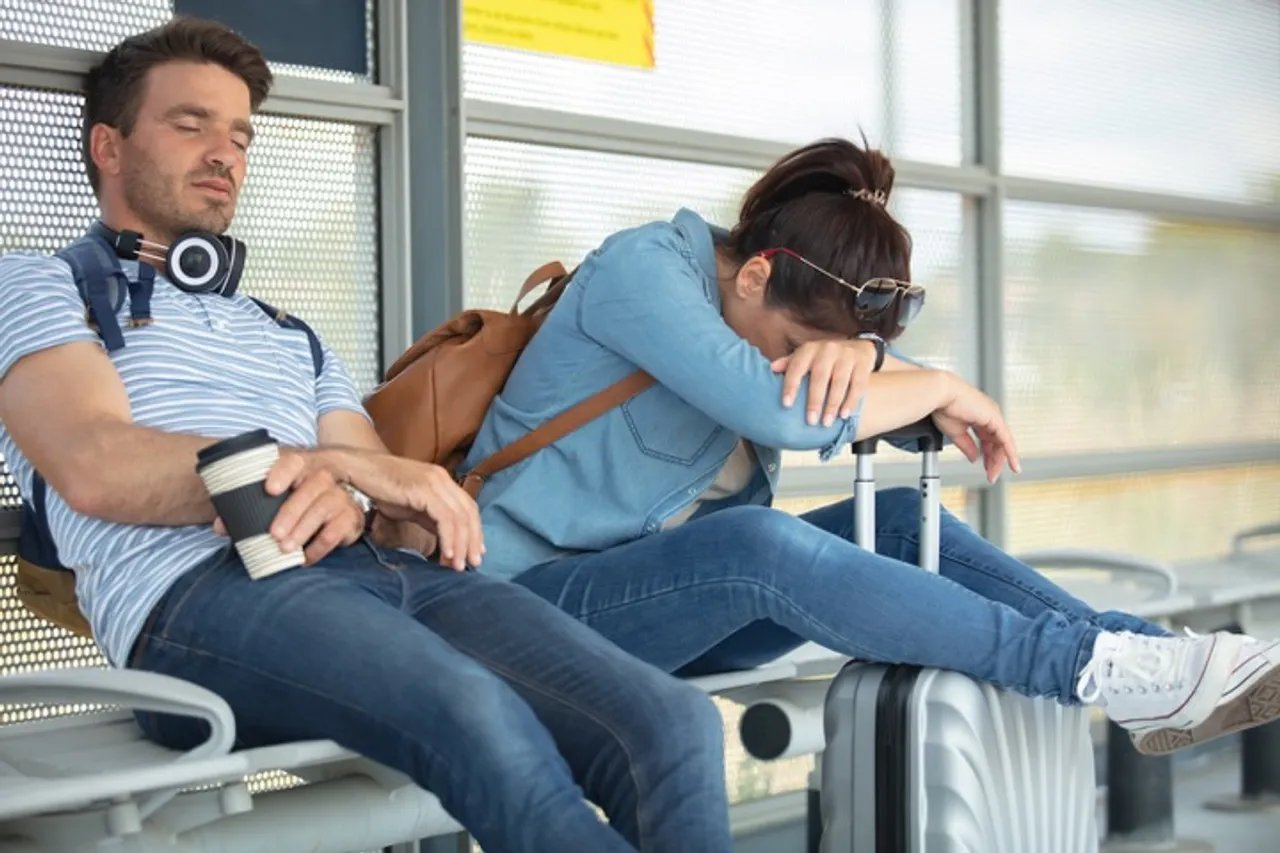
Seven Strategies to Avoid Jet Lag
Sep 23 2024
Jet lag. From the newbie to the most seasoned traveler, we all dread its onset; some people even question whether a trip is worth the effort at all, for once we’re acclimatized to a new time zone, it’s often time to turn around and go home.
But there are ways of minimizing the effects of jet lag so that you arrive at your destination (relatively!) refreshed, adjust quickly, and keep your energy levels where they need to be for a week or more of exploring an exciting new place. Below we’ve compiled a list of some of the best strategies we employ for avoiding jet lag when we travel.
1. Think gradual
If your schedule can accommodate it, the week before you travel, slowly move your body towards the new time zone. That may mean going to bed a bit earlier or later and eating meals on a slightly different schedule.2. Get Comfortable and Try for sleep on the flight
As soon as you’re on the plane, set your watch to your new time zone, and act accordingly. If it’s night-time, do your best to sleep. Comfortable clothes, an eye mask and earplugs can help. (Of course this is a bit of an acquired skill: we've written a whole other blog post on “How to Sleep on an Airplane”!)3. Stay hydrated
Before you leave, and while you’re in transit, make sure you stay hydrated! Dehydration will give anyone a headache and fatigue, and it doesn’t help that airplanes are extremely dry environments. It's best to avoid alcohol while flying, as that will only exacerbate dehydration. (But if a little glass of wine will help you sleep, we're all for it.)4. Avoid caffeine en route
Do your best to avoid caffeine on day one. True, it will help keep you up until bedtime in your new timezone, but it also leads to more frequent wakes up once it's time to sleep.5. Try melatonin
The debate over whether melatonin helps or hinders jet lag is unresolved, but personally we find it helps to settle sleep rhythms once we've arrived in our destination. Take it a half-hour before you plan to go to bed for a less interrupted sleep. Other popular remedies include homeopathic treatments such as No-Jet-Lag.6. Get outside
If it’s daytime when you arrive at your destination, don’t cocoon yourself in a hotel room: spend your daylight hours outside. The natural light will serve to remind your brain what time zone you are now in.7. Get into an active routine
When you wake up after your first night’s sleep at the destination, eat a good, protein rich breakfast and consider some light exercise to get your energy levels up for the day ahead.Do you have any great tips that you use to minimize jet lag? We’d love to hear them! You can post your suggestions on our Facebook page: ToursByLocals Facebook Page.