

How To Travel With Your Pet
Jan 25 2021
If 2020 was a poor year for social connections between humans, it was a banner year for strengthening the bonds we have with our pets. Cats and dogs, rabbits and guinea pigs never had so much attention! Whether you were one of the many people who adopted a new furry friend, or got to spend more time with your existing fur babies, chances are you’ve gotten used to having each other around more.
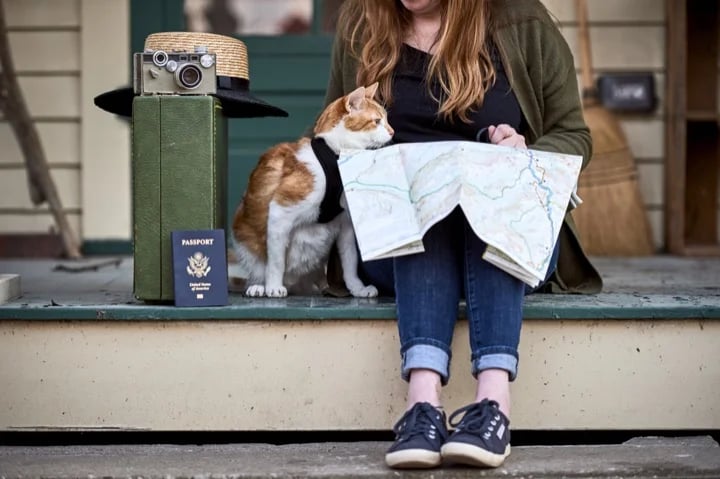
After all this time spent together, once we’re out traveling again, more people are considering bringing their animal companions along, rather than sending them to a boarding kennel, or bringing in a house sitter. A little planning is necessary in order to make sure your pets are comfortable and safe! Today we're sharing some general tips for you, if you choose to bring them along.
What to Do Before You Go
 Visit The Vet
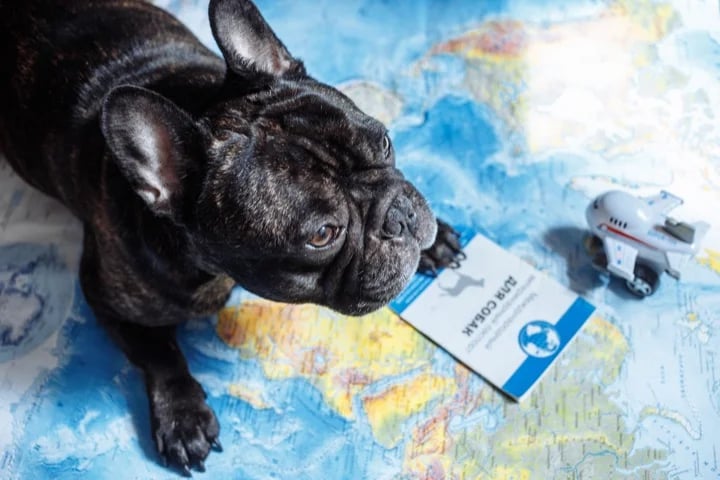
Please visit the nearest vet to get your pet checked first. Your veterinarian should know what documents are necessary (if you are travelling abroad). They can provide any necessary vaccination to your pet to ensure they’re protected on the trip. You can also ask your vet for medication information in case your pet needs to be medicated in order to travel longer distances by plane or car.
Choose Pet-Friendly Accommodation
Always choose a pet-friendly hotel. Never assume that your pets are allowed, as some hotels might have some restrictions or may allow them but only with advance notice. A quick call or email will save you a lot of potential hassle prior to check-in. And don’t forget to check if the attractions you want to visit allow pets. The guides on ToursByLocals are a great source of information - please don’t hesitate to ask them for advice.
Prepare Quality Equipment & Treats
Prepare the appropriate equipment as early as you can. Things you’ll want to consider bringing along: Chewy toys Grooming supplies A leash and extra collars Pet Carrier or pet crate A favourite blanket or cushion Trash bags Treats Food Supply Portable food and water dish
A tip on the pet carrier: if your pet isn’t familiar with it, be sure to spend several weeks getting them comfortable with it, so it feels like a safe space for your pet.
If you’re travelling with a car
 Familiarize Them with the Vehicle
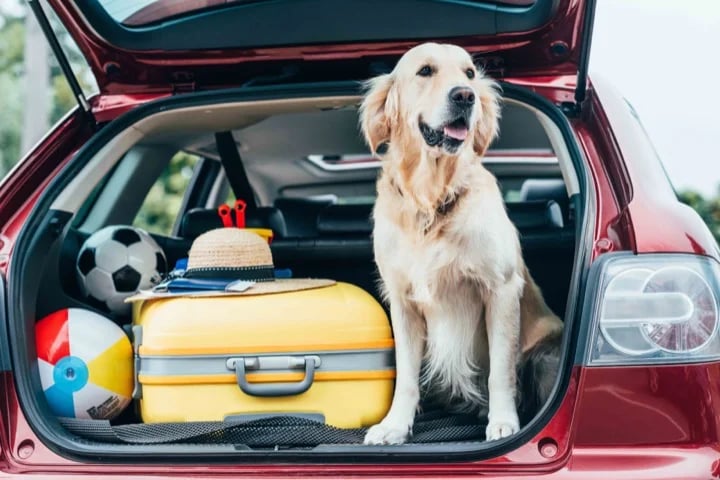
Many dogs and cats can get anxious when traveling in a vehicle, especially if they rarely do it. Introduce them slowly with a short trip around the neighbourhood. You should also check your vehicle’s air conditioning for good airflow so your pet isn’t at risk of overheating.
Plan Plenty of Rest Stops
Be sure to stop every two to three hours and bring your pets for a nice walk so they can stretch their legs and drink. Always have a leash with you as you do not want to let them roam free in case they bolt.
Check Regularly For Any Signs of Discomfort
Check for any signs of stress, dehydration or sickness - unlike children, they don’t speak up when they’re not feeling well. It is important to stay alert as any change in behaviour or eating could be a sign of discomfort or sickness. Contact the nearest vet if it happens.
Don’t Leave Your Pet Alone
A reminder to never leave your pet alone in a car. Heat is a serious hazard and causes death to pets far too frequently. Always bring them with you or leave someone in the vehicle with them to make sure it’s not overheating.
If You’re Travelling by Air
 Check Airline Policy
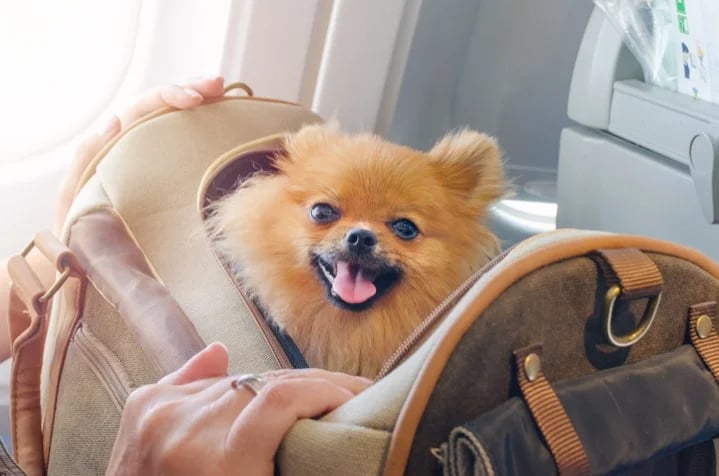
It is important to understand the airline's policies and procedures for flying with pets before purchasing a ticket. Most airlines have this information readily available on their website, and you may wish to do a bit of research to choose an airline that has a good reputation for accommodating pets. For instance, some airlines are more liberal about allowing small animals (in appropriate carriers) to travel in cabin, but most pets will need to travel in the hold.
Book A Direct Flight
Flying is not a relaxing experience for your pet, so be sure to book the most direct flights to avoid layovers, which could lead to extra stress.
Prepare Your Pet
Make sure to groom your pet by clipping their nails before being placed in the carrier and do not feed your pet for four to six hours before the trip. Provide water to make sure they are not dehydrated during the journey.
Put Contact Information on the Carrier
For pets traveling in cargo, be sure that the information affixed on the carrier is correct, such as your name, cell phone, address and final destination. It can’t hurt to put two labels on, just in case one comes off! Carry a current photograph of your pet; in the very unlikely event that he/she gets lost, this will help. Our guides look forward to meeting you - and your furry companions! We’ve had everything from parrots to siamese cats on tour - just give your guide a heads up that you’d like to bring an animal along, so they can make any necessary accommodations.