

How to navigate the world’s biggest cities, with a local perspective
Mar 19 2026
When was the last time a city challenged the way you move, think, and see?
The world’s biggest urban centres, including places like Tokyo, New York, São Paulo, Hong Kong, London, and Mexico City don’t always feel immediately welcoming to visitors. They unfold in layers. Their scale, pace, and complexity can be exhilarating, but also disorienting. What feels seamless to residents can feel unclear to newcomers, and this is where a local guide changes everything.
Why "Mega Cities" Are Different
Mega cities (defined as urban centres of 10 million or more people) operate on a different rhythm. They are not just larger versions of smaller destinations. They are in a sense ecosystems.
- Transit systems are vast and nuanced
- Neighbourhoods shift dramatically within minutes
- Cultural cues are subtle but essential
- Time and distance behave differently than expected
You can spend days seeing a city and still feel like you have only skimmed the surface. A local guide helps you move beyond orientation and into understanding.
The First-Day Advantage
There is a simple strategy seasoned travellers rely on. Start with a guide on your first day.
This early introduction offers three lasting benefits:
- A sense of place: Learn how the city is structured, both geographically and culturally
- Confidence in movement: Understand transit, navigation, and pacing
- Insider context: Gather thoughtful recommendations tailored to your interests
A well-spent first day often shapes the rest of your journey, turning uncertainty about the place you’re visiting into curiosity.
Spending time with a guide isn’t just about seeing highlights; it’s about building a solid foundation for the rest of your stay.
Six Mega Cities, Six Ways a Guide Makes a Difference
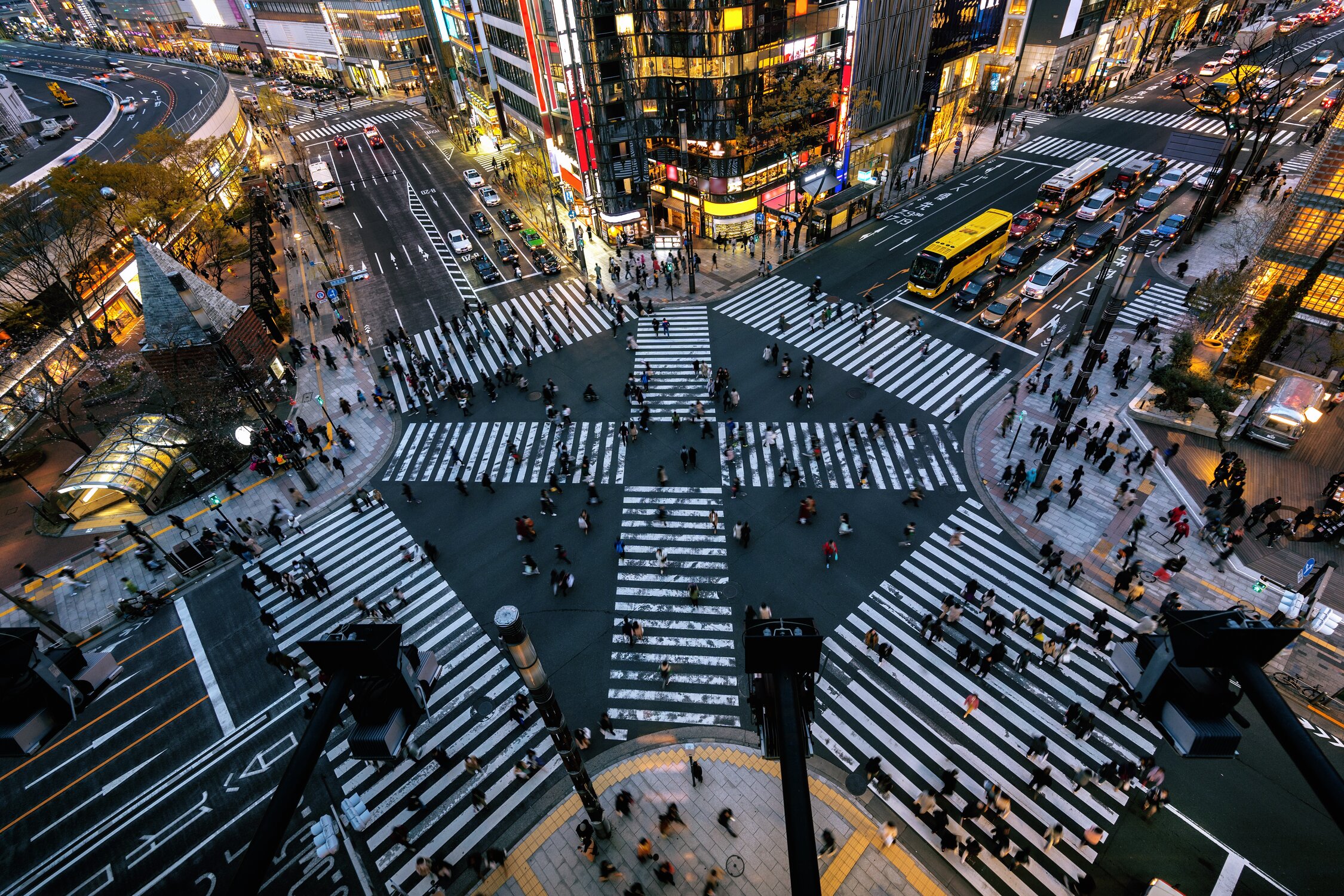
Tokyo: Turning Complexity into Clarity
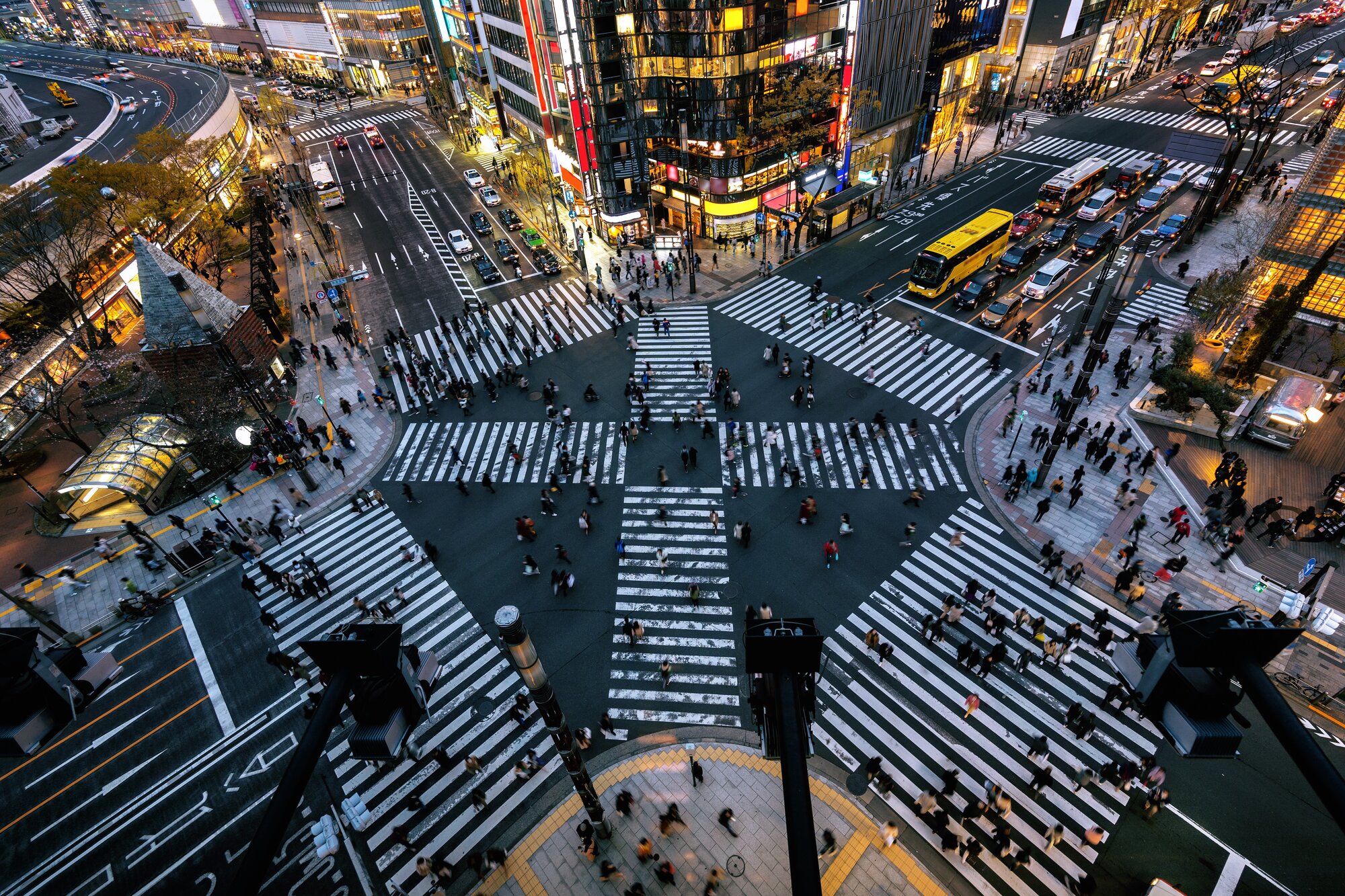
Tokyo’s transit system is a marvel. It is precise, expansive, and initially overwhelming. Multiple rail operators, layered subway lines, and subtle etiquette can make even simple routes feel daunting.
A local guide can:
- Show you how to read station signage and transfer smoothly
- Explain transit cards and route strategies
- Introduce neighbourhoods beyond the most well-known districts
Once understood, Tokyo feels unlocked, and becomes a much more intuitive city to explore. The key is that first moment of clarity exploirung with a local brings.
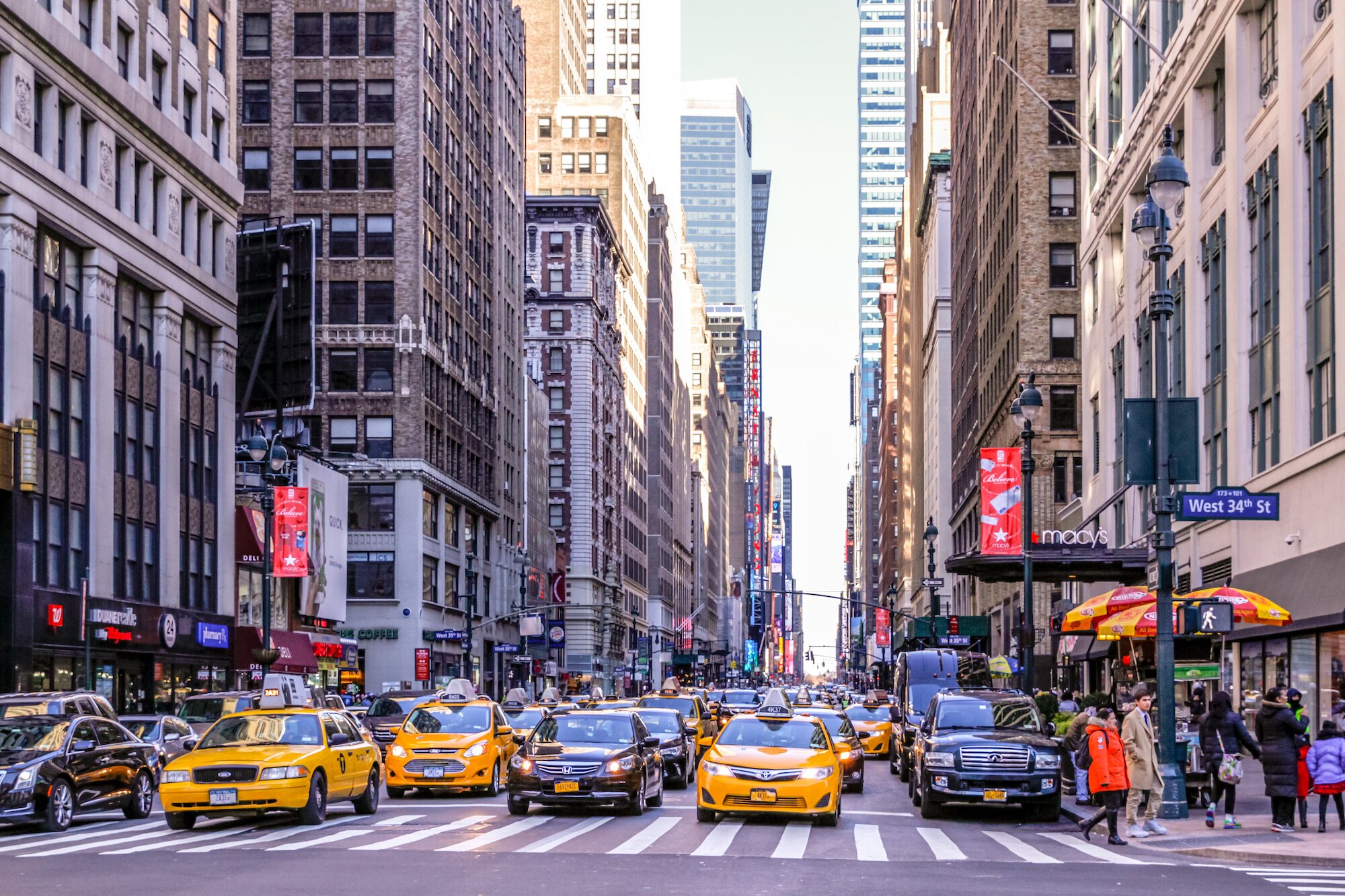
New York: Finding Meaning in the Momentum
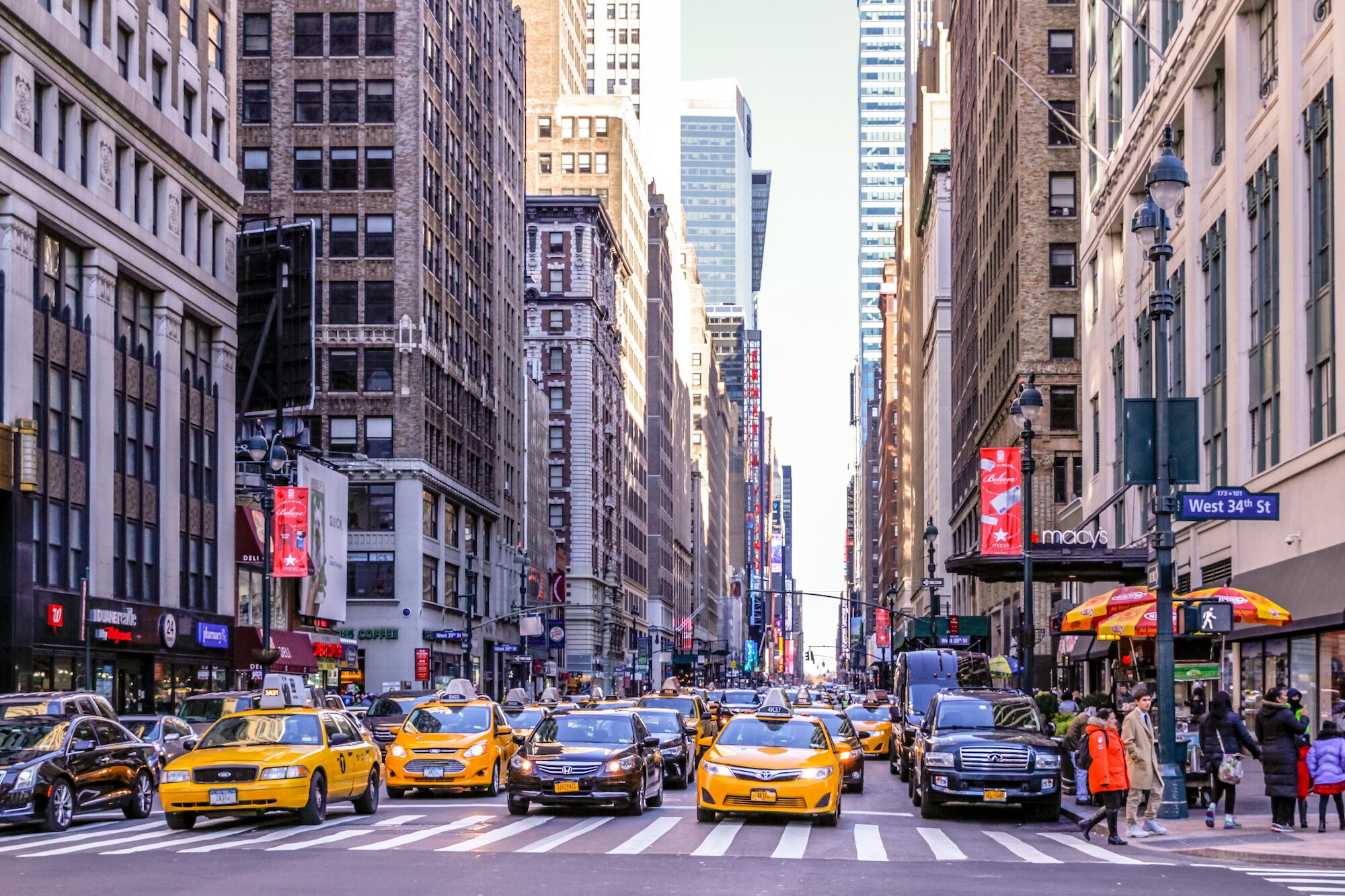
New York moves quickly. It rewards decisiveness and local knowledge.
A guide helps you:
- Navigate the subway with efficiency and avoid common missteps
- Understand neighbourhood identities, from Harlem to the Lower East Side
- Balance iconic landmarks with places that reveal the city’s character
In a city where time matters, a guide helps you spend it well.
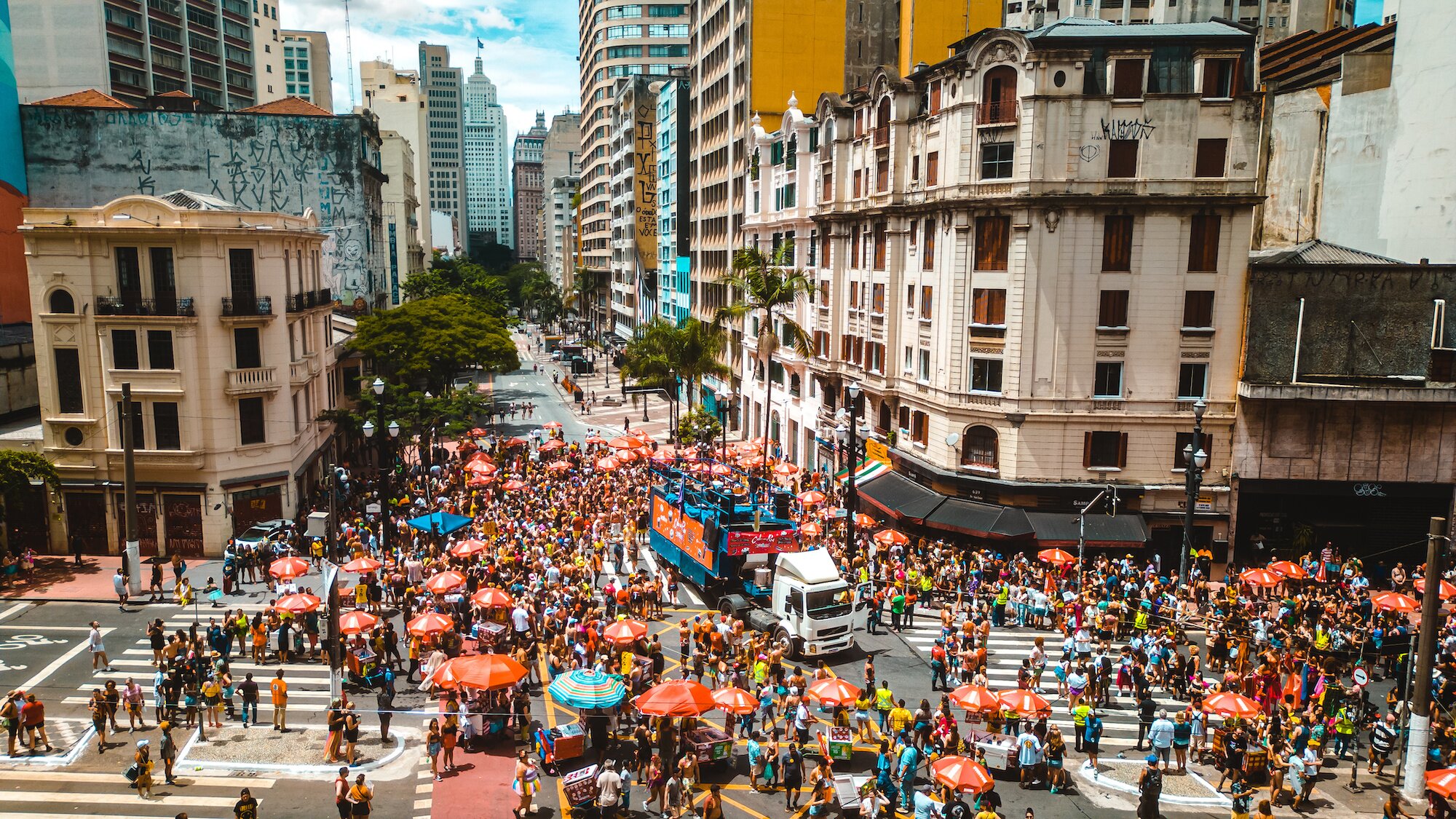
São Paulo: Unlocking a City of Scale
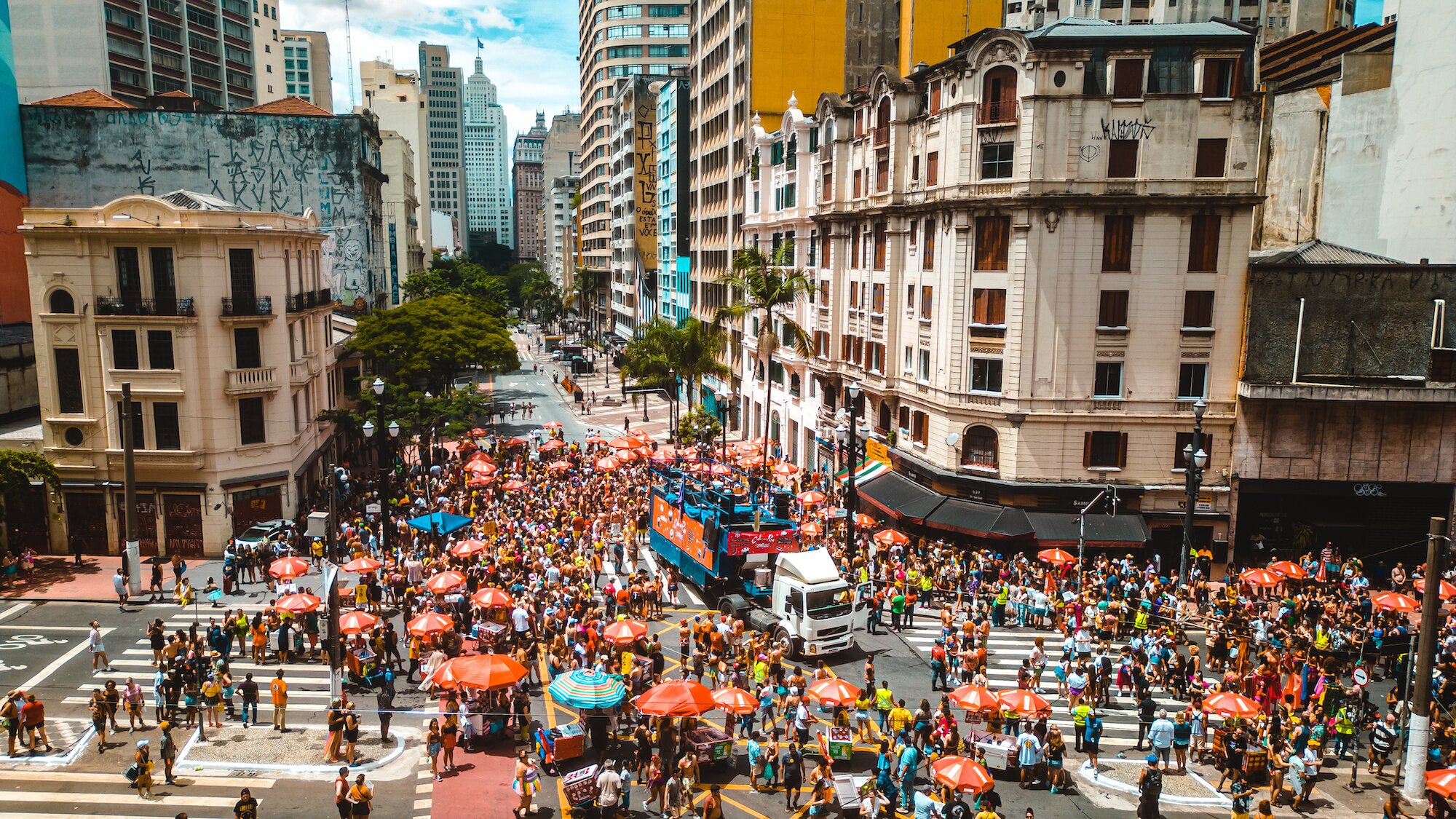
São Paulo’s sheer size can be disorienting. Distances are vast, and experiences are often concentrated within specific districts.
With a guide, you can:
- Move strategically between neighbourhoods
- Explore cultural spaces such as markets, galleries, and culinary hubs with context
- Understand how locals approach safety, timing, and transportation
The city begins to feel less overwhelming and far more comfortable.
Hong Kong: Navigating Vertical Living

Hong Kong is not just dense. It is layered vertically. Streets, walkways, escalators, and transit systems intersect in ways that are not always visible on a map. Confusing for a newcomer? You bet.
A guide can:
- Help you move seamlessly between levels and districts
- Introduce local dining culture, from dim sum etiquette to neighbourhood favourites
- Explain the city’s blend of Cantonese tradition and global influence
What first feels compressed soon reveals itself as deeply interconnected.
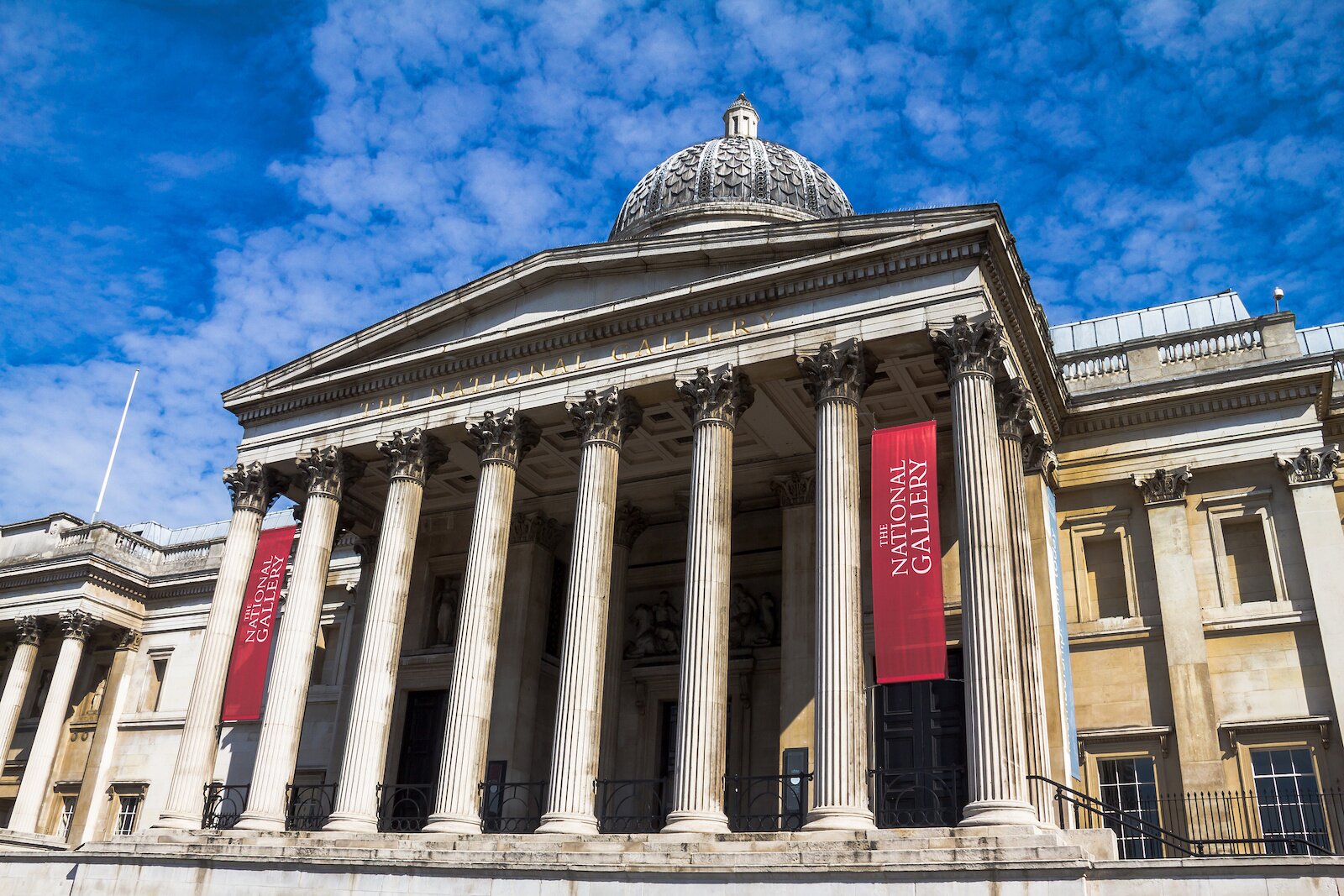
London: Decoding a City of Layers
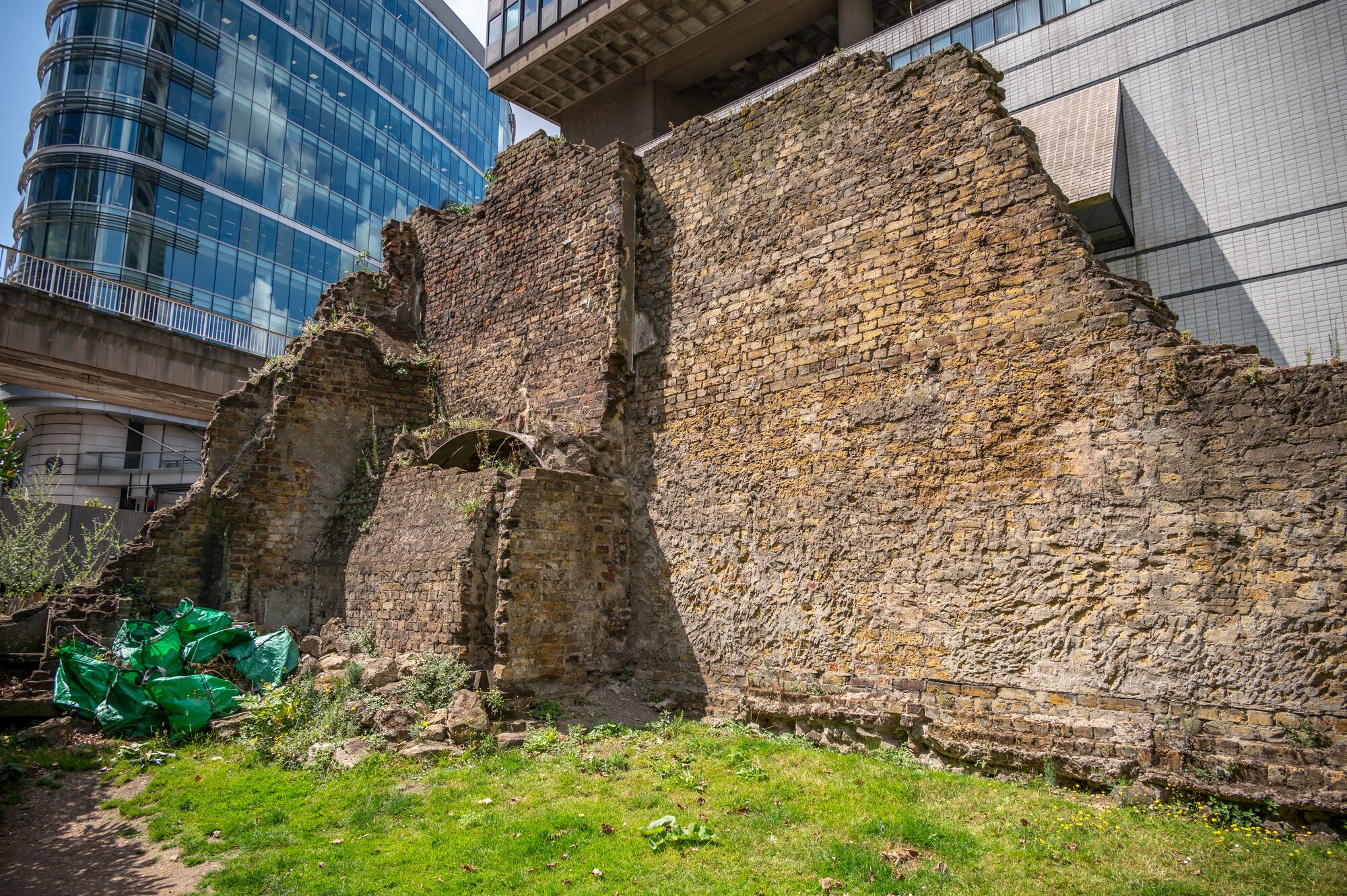
London’s history is embedded in its streets, but it is not always obvious. Roman ruins are often hidden in plain sight, without a local expert on hand to draw your eye to them.
A guide offers:
- Insight into how neighbourhoods have evolved over centuries
- Practical understanding of the Underground and how the city flows
- Context that transforms landmarks into unforgettable stories
Without that perspective, it is easy to pass by deep historical meaning in the city without recognizing it.
Mexico City: Embracing Energy with Insight
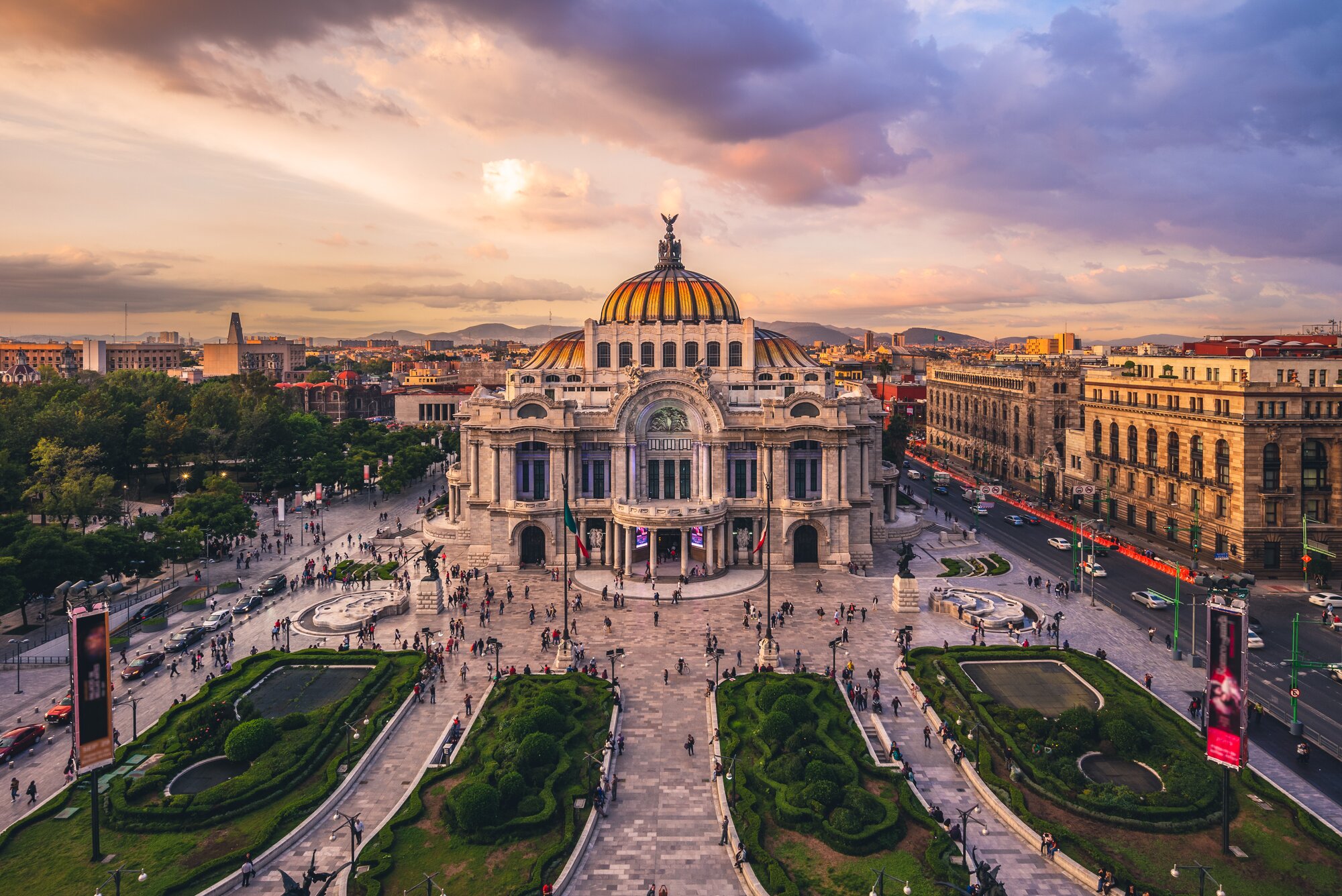
Mexico City is expansive, vibrant, and richly textured. Each neighbourhood carries its own identity, pace, and cultural rhythm.
A guide can:
- Help you navigate between areas like Roma, Condesa, and Centro Histórico
- Introduce local food culture with nuance and confidence
- Share cultural context that deepens your understanding of art, history, and daily life
It is a city that rewards curiosity and benefits from thoughtful guidance.
Beyond Navigation: What You Take With You
A local guide does more than simplify logistics during your time in their city; they also shift how you experience a place.
You gain cultural fluency, personalized recommendations and a sense of connection. You’ll leave your tour with a sense of being welcomed into a city, rather than merely observing it.
Perhaps most importantly, you leave with the confidence to continue exploring on your own.
Planning Your Own City Introduction
If you are heading to a major urban destination, consider this approach:
- Book a guide for your first day or morning
- In addition to talking about history and culture, focus also on orientation and practical understanding
- Ask questions about transit, neighbourhoods, and local habits
- Gather recommendations for the rest of your stay - these are gold.
Then continue your journey with that knowledge as your foundation.
Where to Begin
If you are planning to explore one of these cities, you can find guided experiences here:
The world's biggest cities don't reveal themselves all at once. They require a shift in perspective and a willingness to look beyond the surface. With the right introduction, they become not just navigable, but deeply rewarding.
And often, that shift begins with a single conversation with someone who calls the city home.