Choose a currency
ToursByLocals Blog Posts

Exploring Greece and Turkey: 10 Standout Destinations
Sep 14 2026
Greece and Turkey sit on opposite shores of the Aegean, connected by geography and centuries of shared, sometimes complicated, history. Across both countries, ancient ruins form part of modern cities, culinary traditions reflect generations of cultural exchange, and coastal communities still move to the rhythms of the sea.
Separately or together, they offer extraordinary variety. One day might begin among the temples of ancient Athens or the mosques of Istanbul; another might find you walking through a Cretan village, hiking among the rock formations of Cappadocia or sitting down to freshly caught fish beside a quiet harbour.
Greece and Turkey make a natural pairing, particularly on Eastern Mediterranean cruise itineraries that connect ports across the Aegean. You can move from Greek temples and island villages to Ottoman landmarks, lively bazaars and ancient cities along the Turkish coast.
Travelling with a local guide can help you understand the connections between their histories while introducing you to the distinct character of each destination.
When Is the Best Time to Visit Greece and Turkey?
For most travellers, spring and autumn offer the best balance of pleasant temperatures and manageable crowds. April through early June brings warm days, green landscapes and wildflowers in many regions. September and October offer warm seas, comfortable sightseeing weather and a gentler pace once the busiest summer weeks have passed.
July and August are lively but can be extremely hot, particularly in Athens, Ephesus and Turkey’s inland regions. Popular islands and coastal resorts are also at their busiest, with higher accommodation prices and more crowded ports and archaeological sites.
Winter can be an appealing time to visit the big cities of Athens and Istanbul, when landmark sites are quieter and daily life takes centre stage. However, some island businesses, ferries and seasonal tours operate on reduced schedules, so this is something to bear in mind if you’re considering a winter visit.
Where to Go in Greece
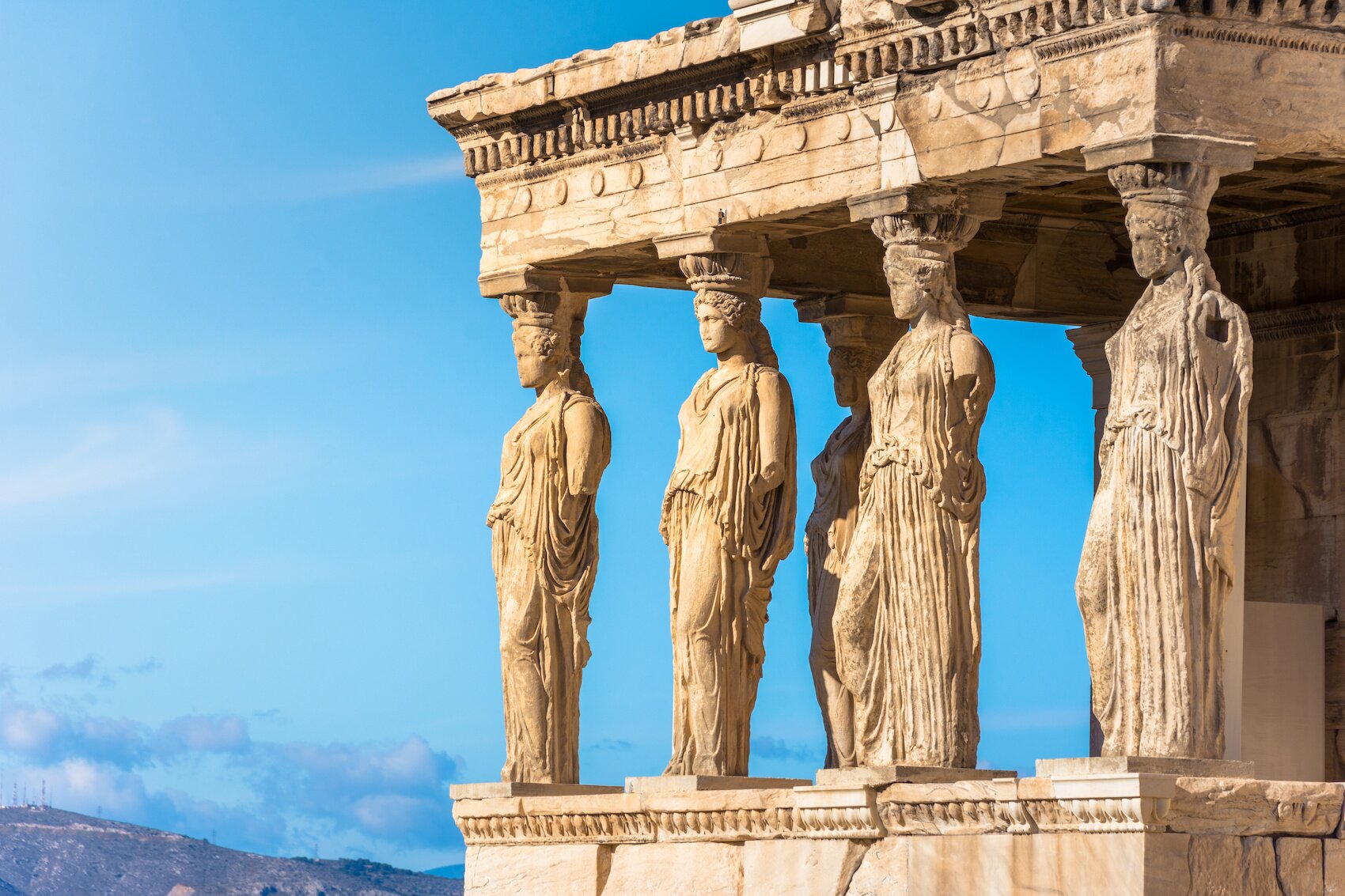
Athens
The Acropolis may be Athens’ most famous attraction, but it’s the star for a reason: standing among its ancient temples, with the city unfolding below, is an experience that lives up to its reputation. After exploring this ancient wonder, travellers can wander through Plaka, browse the markets around Monastiraki and discover contemporary restaurants and galleries in neighbourhoods such as Psyrri.
A local guide can connect ancient Athens with the modern city, adding context to sites you might otherwise pass without a second glance.
Santorini
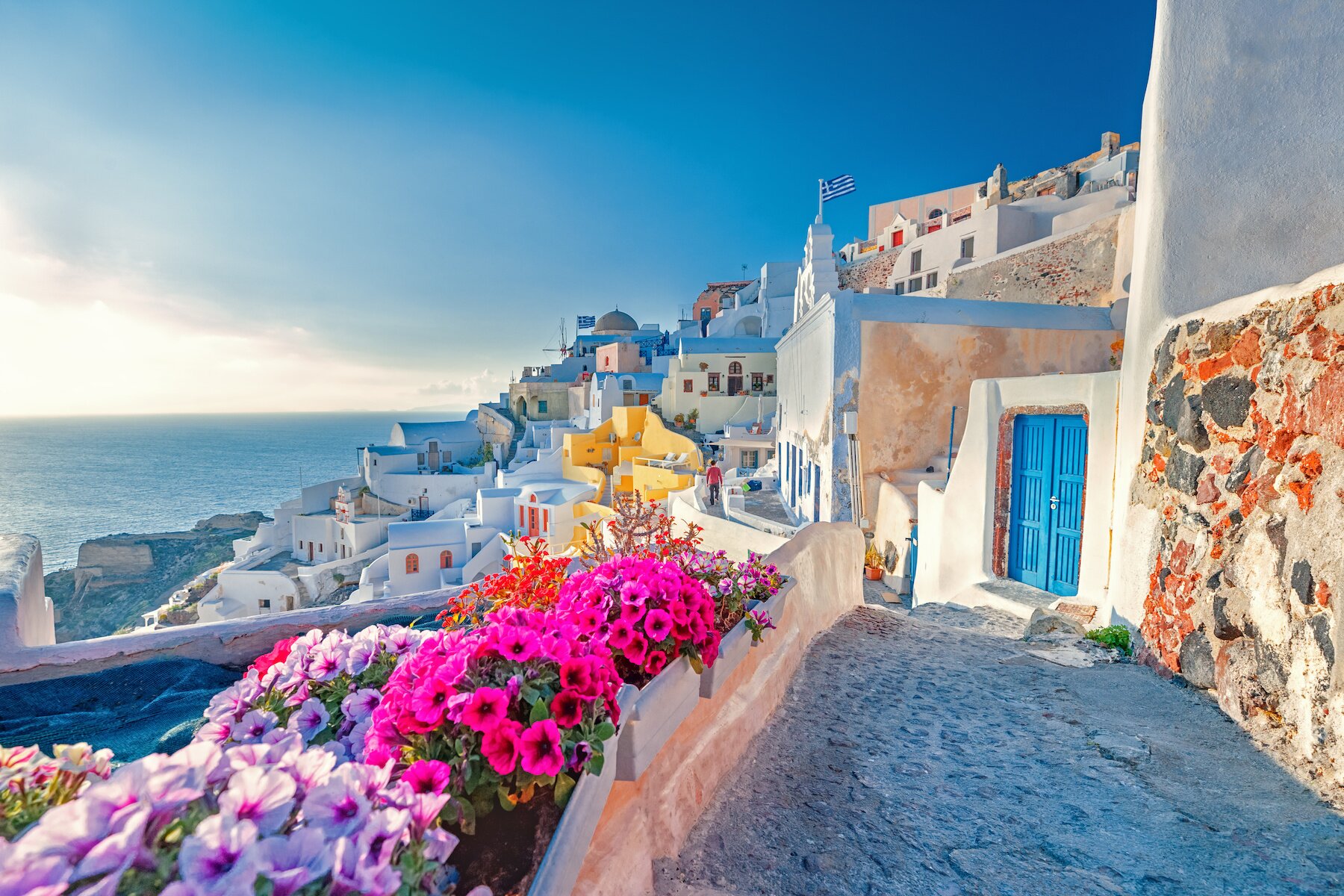
Whitewashed villages and views across the caldera have made Santorini one of Greece’s most recognizable islands. Beyond its famous sunsets, visitors can walk between Fira and Oia, explore the archaeological site of Akrotiri, sample volcanic wines and discover quieter villages inland. Santorini has become increasingly popular in recent years, and a local guide is a great way to help you navigate away from the chaos of the large group tours also visiting the island.
Crete
Greece’s largest island could easily fill an entire journey. Crete combines Minoan history, mountain landscapes, inviting beaches (one even with pink sand!) and a strong culinary culture. Visit the Palace of Knossos (home to the legendary Minotaur), explore the atmospheric old ports of Chania and Rethymno, or spend time in smaller villages where olive oil, cheese and local hospitality take centre stage.
Meteora
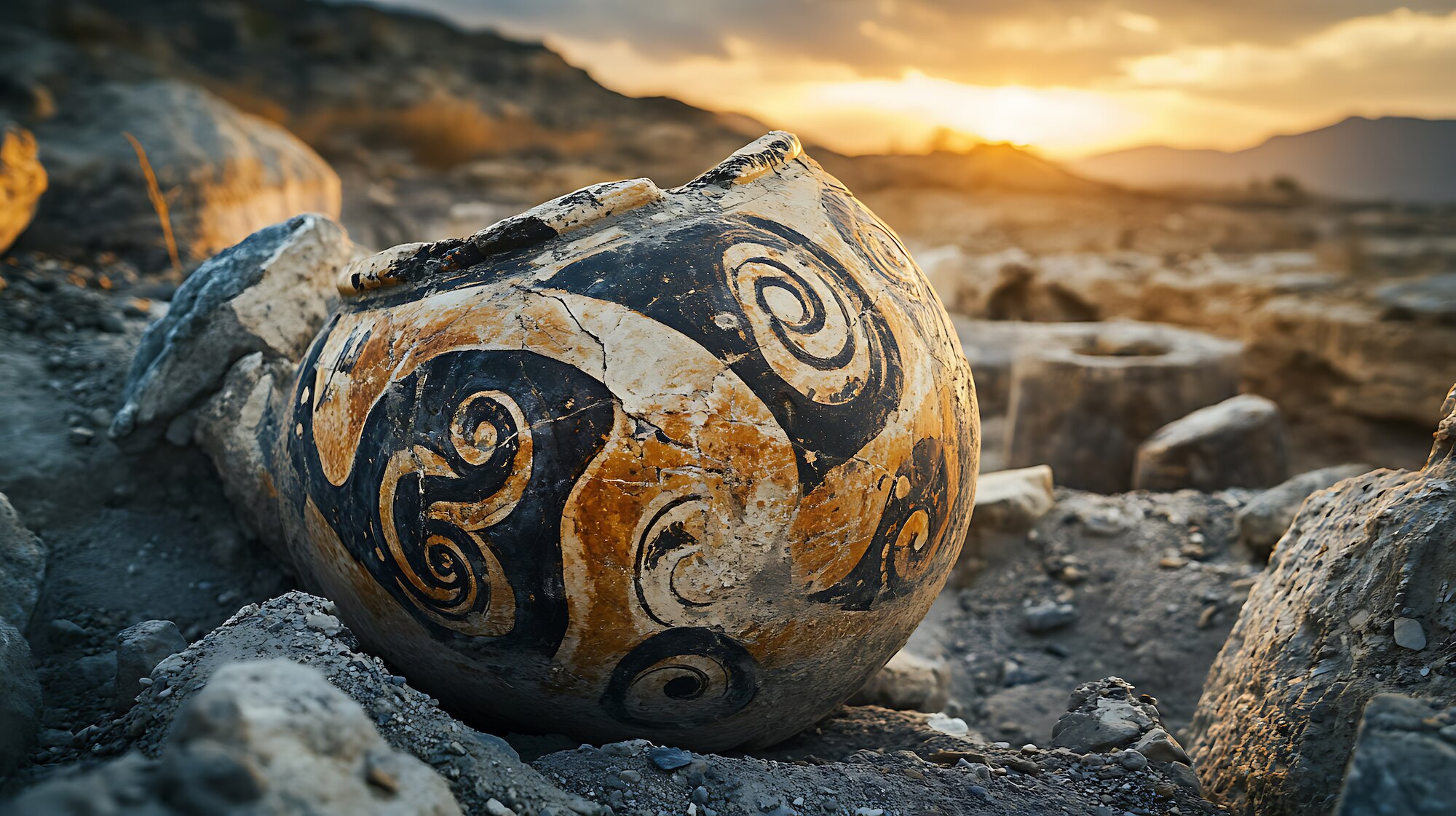
At Meteora, centuries-old monasteries rise from immense pillars of rock in central Greece, creating a remarkable meeting point between nature, architecture and spiritual history. Six remain active today, and visitors can step inside to see frescoed chapels, religious artefacts and sweeping views across the valley. Walking trails among the formations offer a different perspective from the scenic overlooks, while the nearby town of Kalambaka makes a convenient base for exploring the area if you’re planning to make this more than a day trip from Athens.
Naxos
For travellers seeking a quieter island experience, Naxos offers long beaches, mountain villages and fertile countryside alongside layers of ancient history. Explore the lanes and waterfront of Naxos Town, see the monumental Portara at sunset, or venture inland to villages where traditional crafts and farming remain part of daily life. The island is also known for its cheeses, potatoes, citrus and locally produced liqueurs. With plenty to discover beyond the coast, Naxos feels distinctly lived-in, even during the busy summer season, and is a beautiful spot to base yourself for a few days of island time.
Where to Go in Turkey
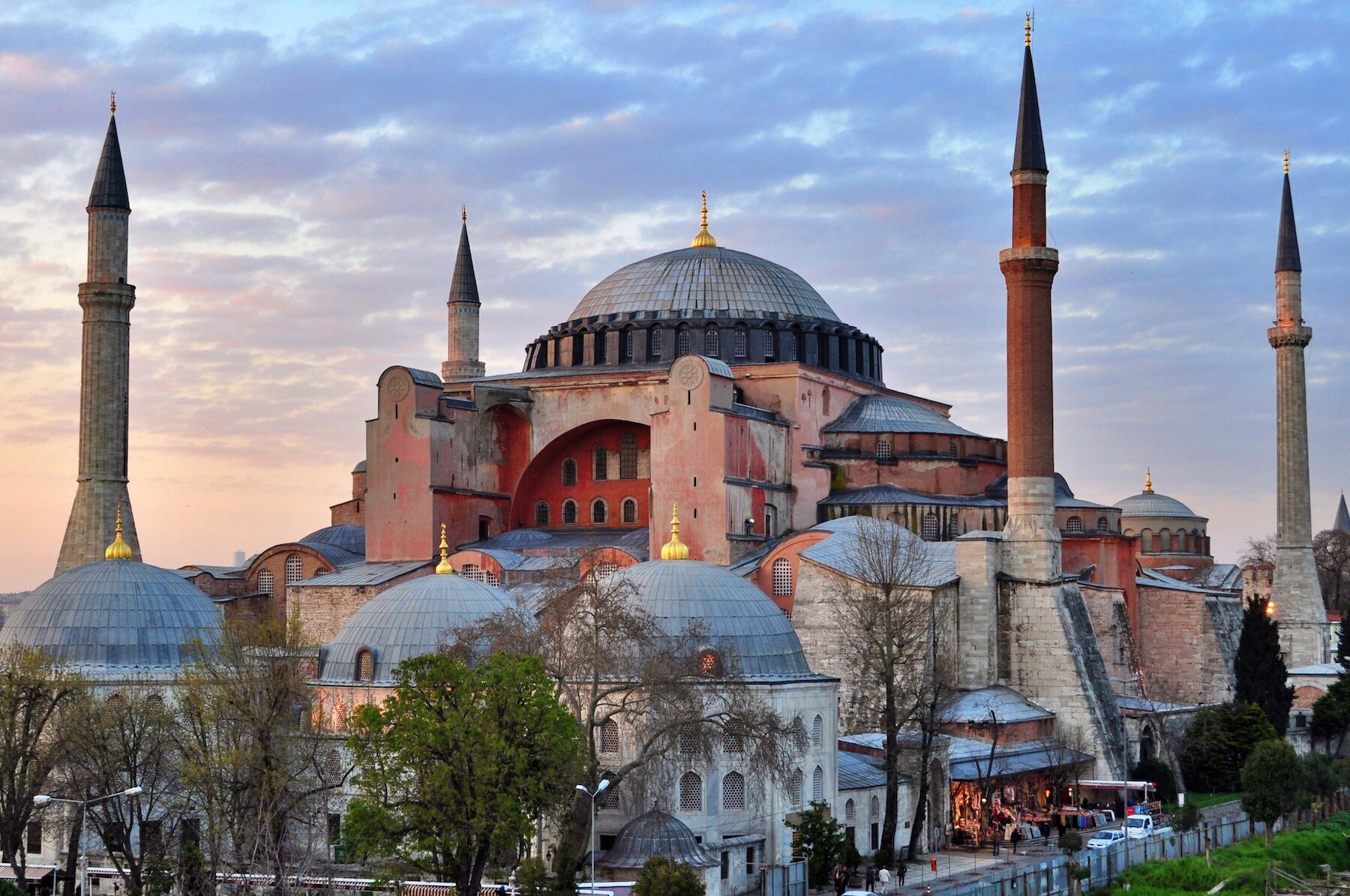
Istanbul
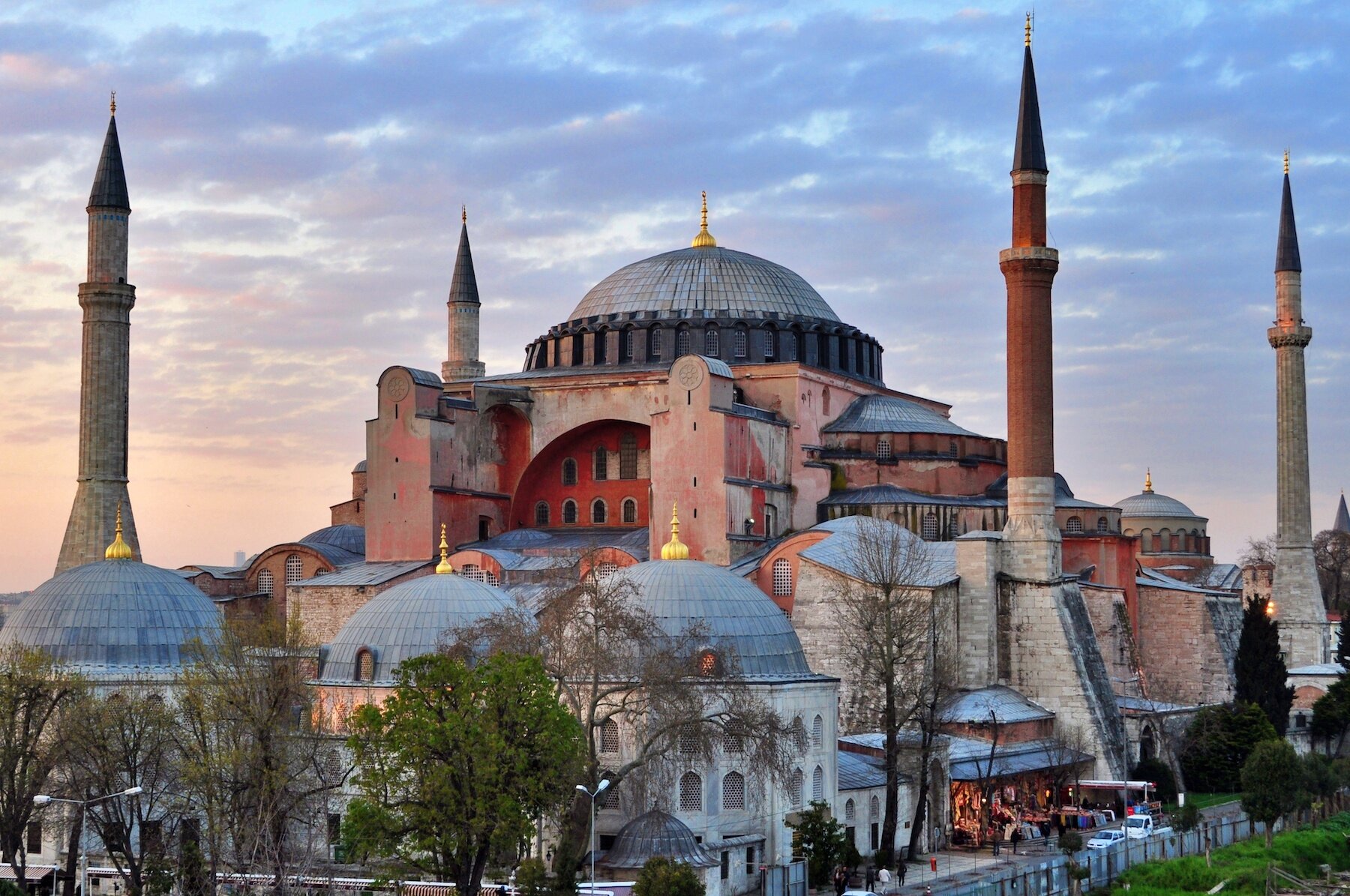
Few cities contain as many layers as Istanbul. Roman, Byzantine and Ottoman history meet in landmarks such as Hagia Sophia, the Blue Mosque and Topkapi Palace. And of course, who can forget that in Istanbul you can set foot in two continents in a single day? Beyond the major sites, travellers can explore the Grand Bazaar and Spice Market, cross the Bosphorus by ferry, and stop for tea or a traditional meal in neighbourhoods shaped by generations of migration and trade. A guide can help make sense of the history while revealing how the city continues to evolve.
Cappadocia
Cappadocia’s sculpted valleys, cave dwellings and underground cities create a landscape unlike anywhere else in Turkey. Hot-air balloon flights receive much of the attention (they’re hard to miss!) but the region is equally rewarding at ground level. Travellers can hike through valleys lined with distinctive rock formations, visit frescoed churches carved into stone and descend into underground settlements built to shelter entire communities. Small towns such as Göreme and Uçhisar also offer inviting places to slow down between excursions.
Ephesus
Once one of the great cities of the ancient Mediterranean, Ephesus offers a vivid glimpse into daily life under Greek and Roman rule. Its marble streets lead past public baths, temples, private homes and the impressive Library of Celsus. With a guide to explain how these spaces were once used, you can picture the ruins as a once living city, rather than just a collection of monuments. Nearby sites include the House of the Virgin Mary and the remains of the Temple of Artemis.
Antalya
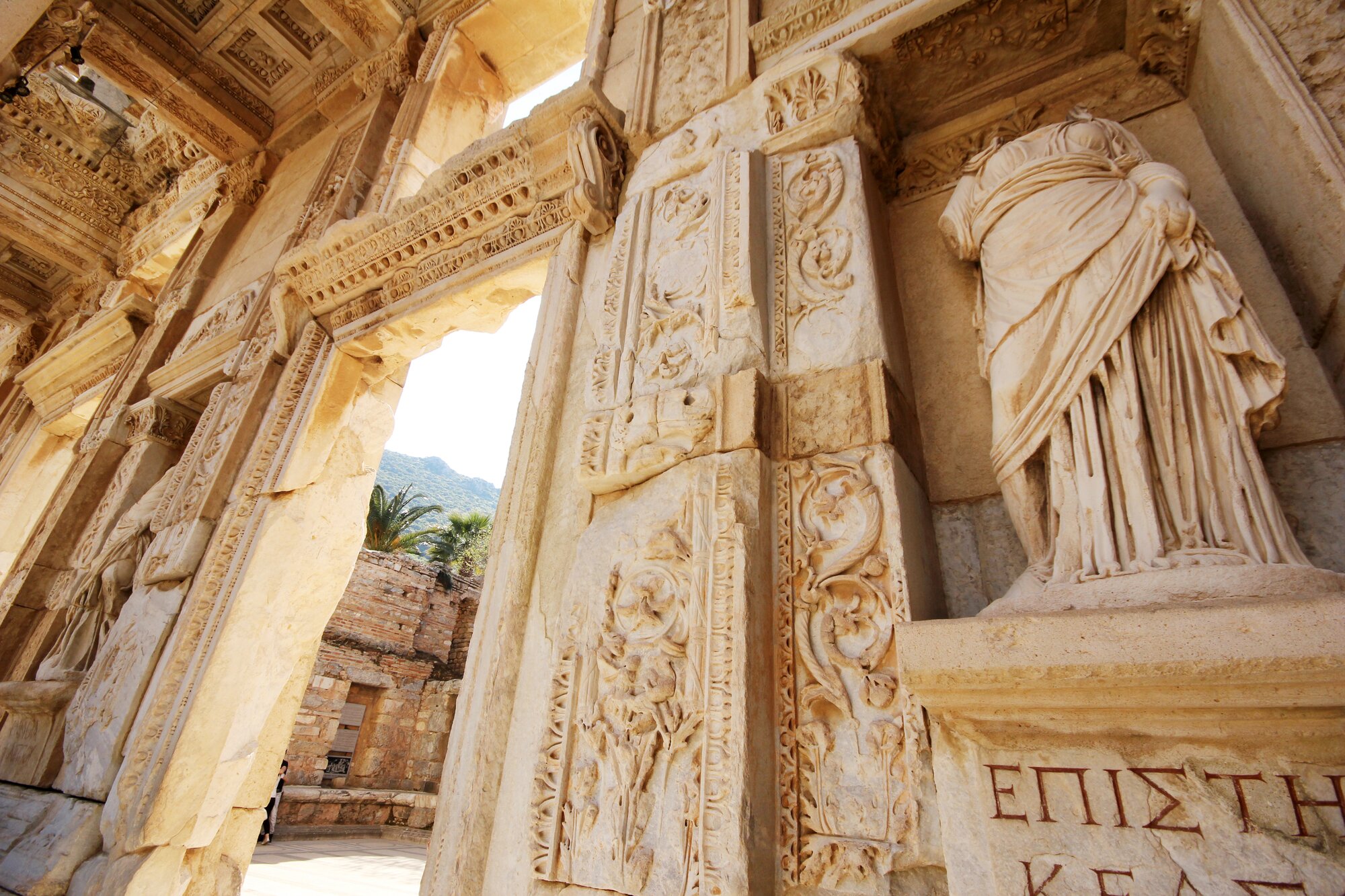
Set along Turkey’s Mediterranean coast, Antalya pairs beaches and mountain scenery with a richly layered past. Wander through the narrow streets of Kaleiçi, see the Roman-era Hadrian’s Gate and visit the city’s archaeological museum. Antalya also makes a convenient base for exploring the ancient cities of Perge and Aspendos, where one of the Roman world’s best-preserved theatres still hosts performances. Or you can also make a longer day trip to Pamukkale, known for its white travertine terraces and the ancient ruins of Hierapolis. Between excursions, enjoy the waterfront, local markets and the region’s relaxed coastal rhythm. If you have time, Antalya is a lovely place to base yourself for a few days.
Bodrum
Bodrum offers a relaxed introduction to Turkey’s Aegean coast. Its whitewashed houses, waterfront restaurants and marina create an easygoing atmosphere, while Bodrum Castle and the Museum of Underwater Archaeology reveal the area’s long maritime history. Travellers can also see the remains of the Mausoleum at Halicarnassus, once one of the Seven Wonders of the Ancient World. Beyond the town centre, nearby villages, bays and coastal roads provide quieter opportunities to explore the surrounding peninsula.
Discover Greece and Turkey with Local Insight
Across Greece and Turkey, the past is never far away. It lives in ancient streets and hillside monasteries, bustling markets and enduring culinary traditions. Exploring with a local guide brings these connections to life, adding insight, personal perspective and a deeper understanding of the places you encounter along the way.