
Yuletide Roots: Exploring Germany's Christmas Traditions
Oct 16 2024
A warm welcome to today’s guest blogger, Marriette! Marriette is a long-time tour guide in Berlin, and joins us today to share stories of the origins of Christmas traditions we know and love today.
Did you know that Christmas markets, advent calendars and Christmas trees are all Christmas German traditions that go back centuries? Read on as Marriette sheds some light on these beloved holiday practices.
A VERY GERMAN CHRISTMAS
Welcome to the enchanting kingdom of Christmas traditions, where Germany rules the festive realm like a holiday monarch. It certainly looks the part, winter wonderlands straight out of a Christmas fairy tale - lush evergreen forests decked in a pristine snow blanket, setting the stage for a scene that could rival any holiday postcard. The Germans do Christmas so well that their traditions, packed with history and charm, have become a global phenomenon.So, as you embark on your own holiday festivities, take a moment to tip your hat to the Germans - the maestros of Christmas magic. Their legacy, wrapped in Tannenbaum and illuminated by the soft glow of tradition, continues to paint the world in the warm hues of Yuletide cheer.
CHRISTMAS MARKETS
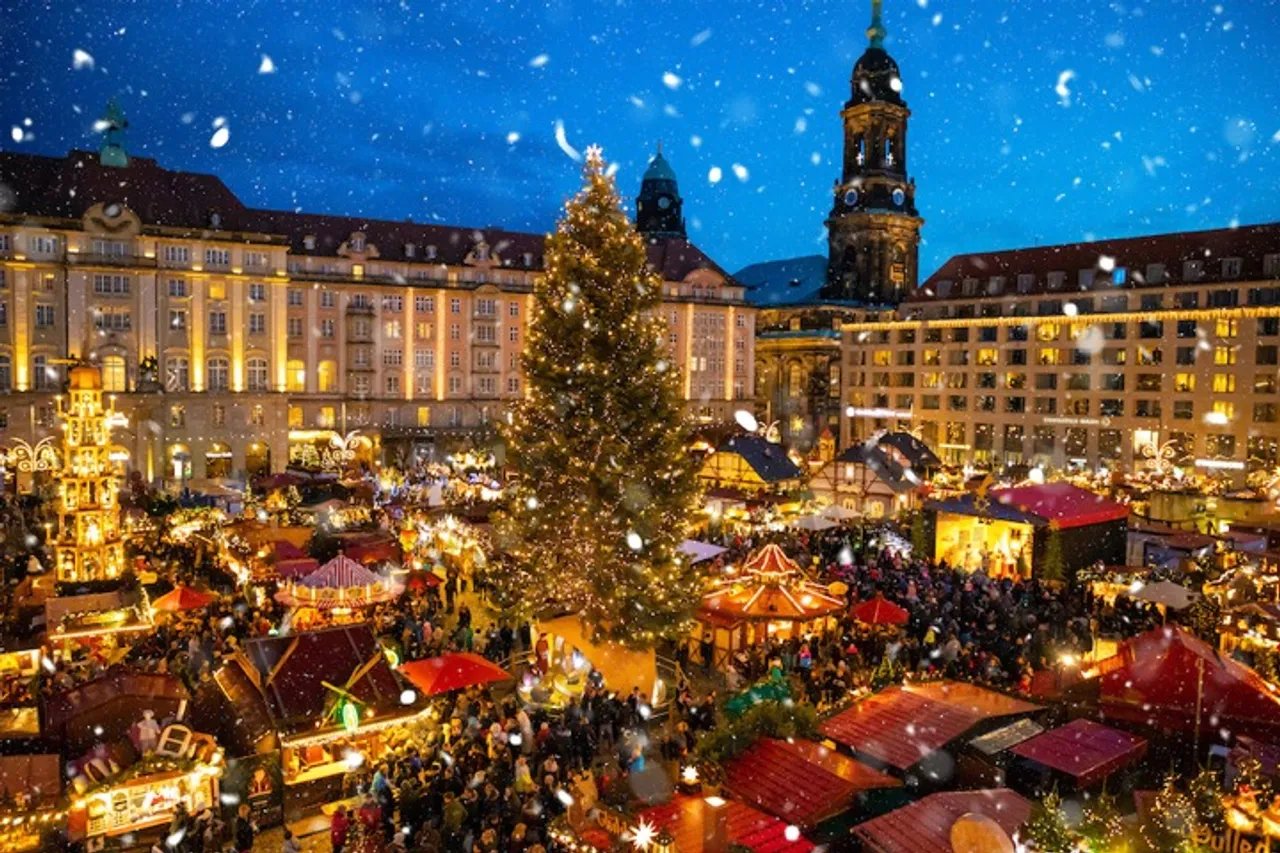
 Embarking on a journey through these markets is like stepping into a magical realm where the spirit of Christmas comes alive in every twinkling light and festive stall. And you don’t necessarily need to be in Germany to bask in the glory of the 'German' Christmas Markets. This beloved tradition has traversed oceans and continents, from the charming streets of Chicago to the historic corners of Manchester and even in the bustling metropolis of Shanghai. So, as you navigate the labyrinth of stalls, savouring the warmth of mulled wine and indulging in the festive delights, remember that you're not just in a market - you're in a global celebration.
Every year at the start of December, Germany undergoes a magical metamorphosis into a festive wonderland. Boasting a staggering 3000 Christmas markets that sprinkle towns and cities with an irresistible charm of Yuletide joy. Not to be outdone, Berlin proudly takes center stage with an impressive lineup of 70 Christmas markets, turning the city into a holiday masterpiece.
What's even more remarkable is the ever-evolving landscape, as modern Christmas Markets continue to spring up, adding new dimensions to the age-old tradition. Imagine strolling through the lanes of an LGBTQIA+ market, where the air is filled not only with the aroma of festive treats but also the embrace of inclusivity. Or perhaps, meandering through a 'Green' market, where sustainability is king, and every purchase becomes a step towards a more eco-conscious celebration.
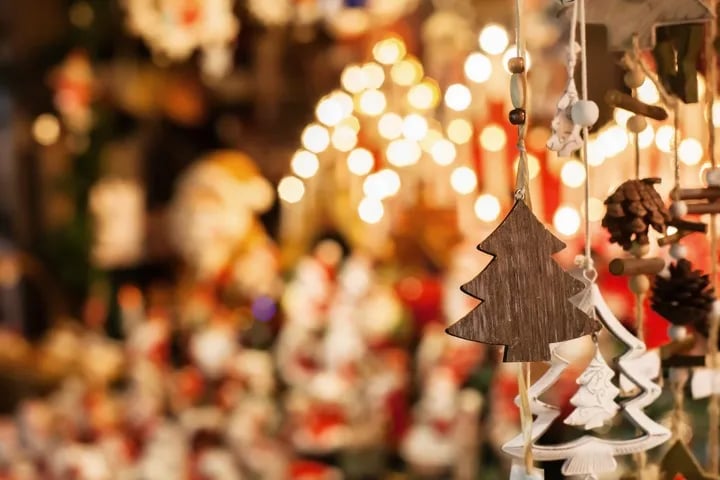
The traditional Christmas Market is a sight to behold. Where vendors beckon with piping hot mugs of Glühwein, and sugar-roasted almonds nestled in paper bags. Tempting the taste buds and creating a symphony of flavors that dance through the crisp winter air. Friends and family huddle close, resembling penguins in a circle of warmth, creating a sense of camaraderie amidst the festive bustle. Beyond the indulgent treats, the market stalls offer treasures for the home - a trove of handcrafted ornaments destined for the tree and mantelpiece alike.
Now, let's journey back in time to the origins of this magical tradition - the medieval Winter markets that dotted Europe. These markets were not merely gatherings; they were lifelines, providing communities with essentials to endure the cold season. As time unfolded, skilled craftspeople set up stalls, offering everything from woven baskets to wooden toys, and from roasted chestnuts to the aromatic allure of gingerbread. While the exact birth of the 'Weihnachtsmarkt' remains elusive, the pages of history reveal that Dresden hosted one of the first recorded markets in 1434.
So, as you traverse the bustling aisles of a Christmas Market, know that you're not just partaking in a seasonal ritual; you're stepping into a living legacy that spans centuries, a celebration that continues to evolve and enchant with each passing year.
CHRISTMAS TREES
 Whether it's a plastic replica, a living evergreen, or even a creative masterpiece crafted from your favorite books, Christmas trees hold an indispensable role in shaping the beloved Christmas we cherish today. The history of Christmas trees carries both religious and pagan Germanic roots, making it a fascinating blend of traditions.
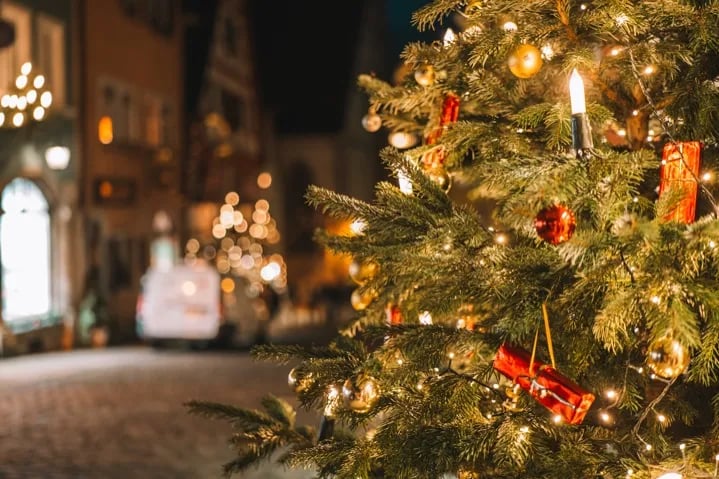
Transport yourself to 16th-century Germany, and you’ll find yourself at the heart of the Christmas tree's origin story. The credit for this festive tradition goes to German Lutherans, residents of Strasbourg, who adorned fir trees with a mix of apples, paper roses, and candles. This early tableau of holiday decoration worked its magic, gradually spreading its festive wings across the region. The Germans, smitten with this evergreen symbol, welcomed it into their homes as the focal point of Christmas celebrations.
On the pagan side, the use of evergreen trees in winter celebrations predates Christianity. Ancient cultures, including the Romans and Norse, viewed these trees as symbols of life and fertility during the winter months. The custom of bringing greenery indoors during the darkest days of the year was seen as a way to ward off evil spirits and celebrate the promise of renewed life in the spring.
The act of decorating the Christmas tree has evolved into a heartwarming ritual. Families gather, weaving a tapestry of memories as they adorn its branches with a delightful array of ornaments. From delicate baubles to handmade treasures crafted by the little ones.
The Christmas tree’s roots may trace back to medieval Germany, but its influence has grown, reaching far beyond borders to become a global emblem of holiday cheer.
ADVENT CALENDARS
 Advent calendars have truly leveled up in the modern era. No longer confined to the traditional realm of festive images and chocolates, today's advent calendars have become the ultimate expression of creative abundance. From jewelry to coffee to Lego, these calendars have transcended the ordinary, offering a daily surprise that caters to every taste and interest.
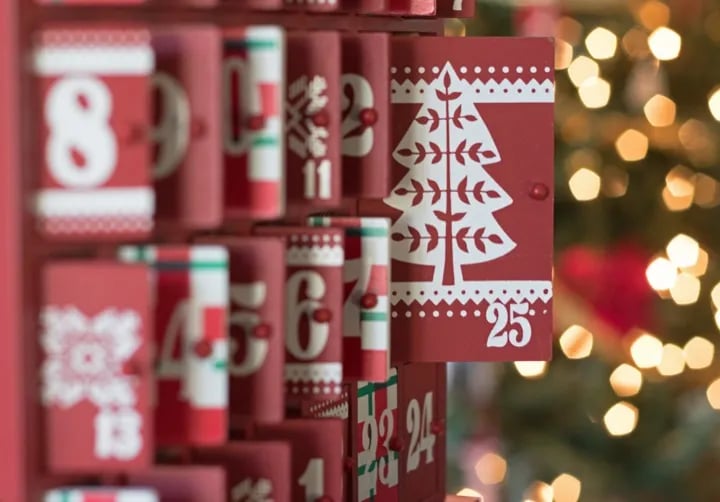
The evolution of the advent calendar's evolution brings us back once again to the German Lutherans, the unsung heroes of holiday brilliance. In the 19th century they came up with an ingenious way to count down the days to Christmas, creating what we now know and love as the advent calendar. Initially, these calendars were simply chalk marks on doors, lighting candles each day, or placing pieces of straw in the nativity crib.
It wasn't until the early 20th century that the first printed advent calendars hit the scene in Germany, this is the design we're familiar with, featuring little doors or windows to open each day. As time went on, the advent calendar's popularity spread across Europe and eventually reached other parts of the globe, becoming a beloved tradition for people of various denominations and even those who just want an extra dose of holiday cheer.
In Germany, the advent calendar takes on a very personal touch with many Germans taking the time to individually wrap small gifts and treats for their loved ones.
So, as you open the tiny windows of your advent calendar, whether store-bought or lovingly crafted, remember that you're not just counting down the days; you're immersing yourself in a tradition that transcends time and borders. It's a historical journey that went from simple markings to a daily celebration of joy and wonder, making December a month-long festival of anticipation and delight!
STOLLEN
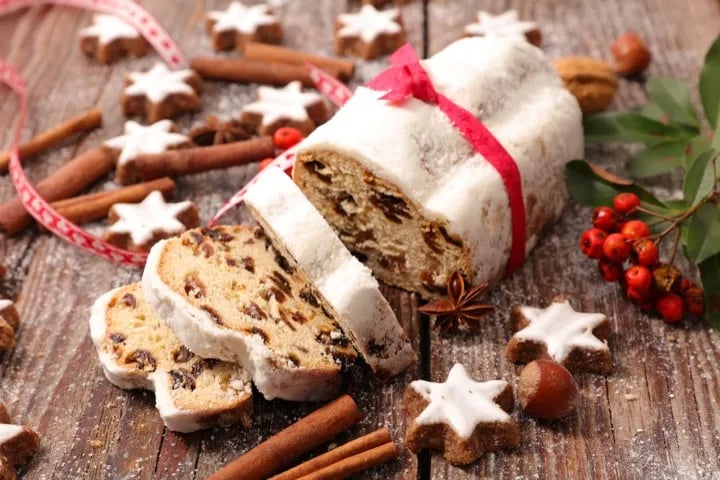
 In the realm of delectable holiday treats, Stollen emerges as a regal delight, tracing its origins to the heart of German culinary heritage. This festive pastry, with roots reaching back to the city of Dresden, is a symphony of flavors and textures that dance on the taste buds like a wintertime sonata.
Imagine a loaf, rich and dense, yet delicately infused with the warmth of tradition. Its golden exterior, dusted with a gentle snowfall of powdered sugar, conceals a treasure trove of delights within. Stollen is a masterpiece of indulgence, marrying the buttery embrace of sweet yeast dough with a harmonious blend of candied fruits, citrus zest, and a generous scattering of almonds. What truly elevates Stollen to a festive crescendo is its enveloping embrace of marzipan, a sweet almond paste that adds a luxurious layer to every heavenly bite.
The illustrious history of Stollen traces its origins to Dresden, Germany, where this iconic Christmas bread first graced tables in the 15th century. Initially created as a humble fasting bread, the recipe evolved over the centuries, transforming into the decadent treat we know today. Stollen's journey is intertwined with the city's Christmas market, where bakers showcased their skill in creating this festive masterpiece. The bread's unique shape, often likened to a swaddled infant, reflects its ties to Christian traditions, symbolizing the Baby Jesus wrapped in blankets.
Whether enjoyed with a steaming cup of mulled wine or as the centerpiece of a holiday gathering, Stollen embodies the spirit of German holiday indulgence.
So here’s a virtual toast to Germany, the masterful architects of Christmas as we know it today - Prost and Frohe Weihnachten! They sure know how to sleigh the Christmas game!
If you’re headed to Berlin and want a guide that’s charming, knowledgeable and clearly knows how to tell a fabulous story, send Marriette a message! She’ll be delighted to hear from you, and will prepare a tour that shares the very best of her city.