Choose a currency
ToursByLocals Blog Posts
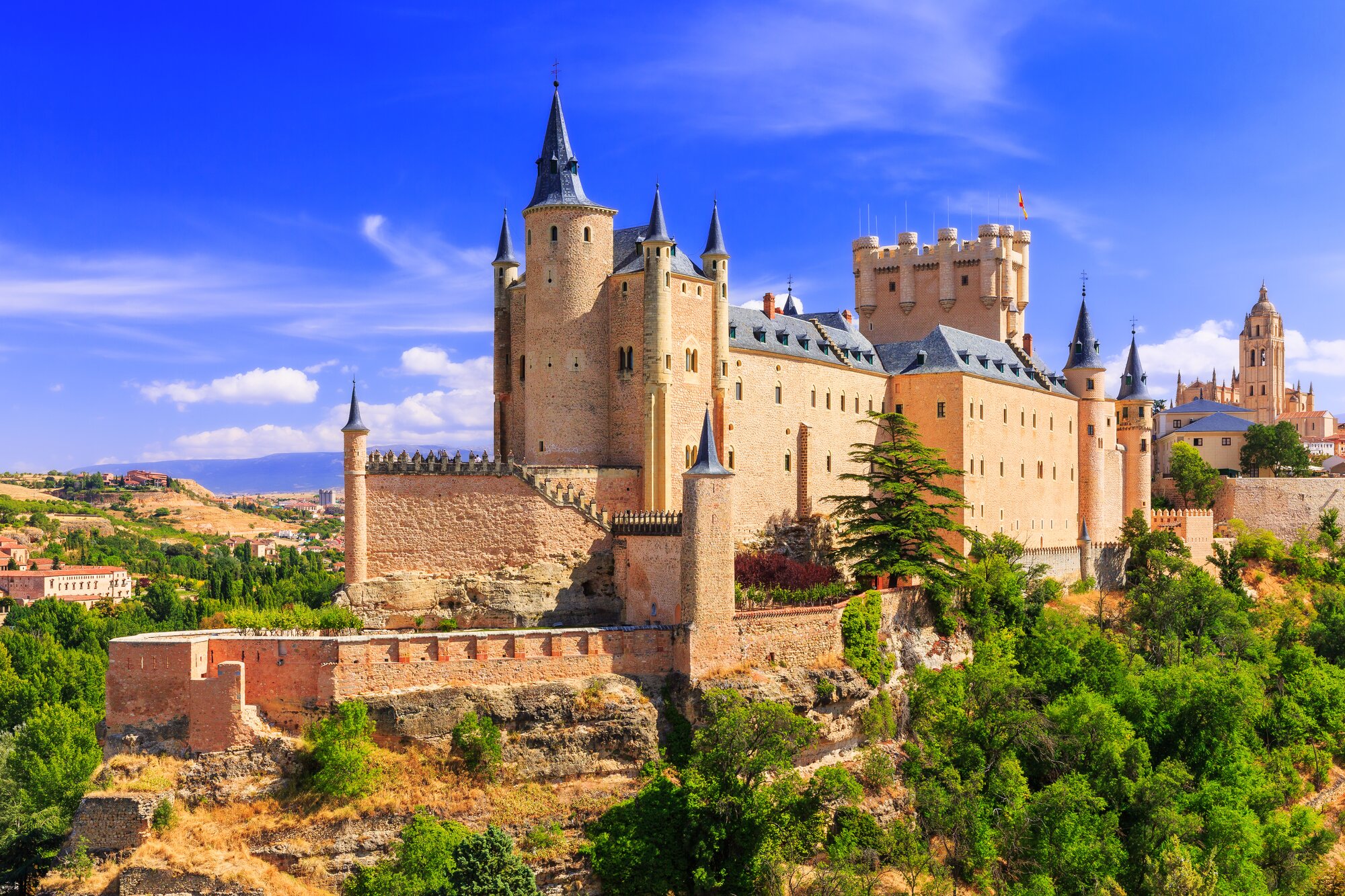
7 Fairytale Castles in Europe You Can Visit
Jul 31 2026
Castles have a way of drawing us into their stories before we even cross the threshold. Rising above alpine forests, reflected in highland lochs or surrounded by sweeping royal estates, their towers, battlements and winding staircases seem to belong as much to legend as to history.
Behind those imposing walls are tales of ambitious monarchs, lavish celebrations, sieges, betrayals and grand romantic visions brought to life in stone. Across Europe, these seven castles stand out for their remarkable architecture, evocative settings and enduring sense of wonder, inviting travellers to explore places where history and imagination meet.
1. Neuschwanstein Castle, Germany
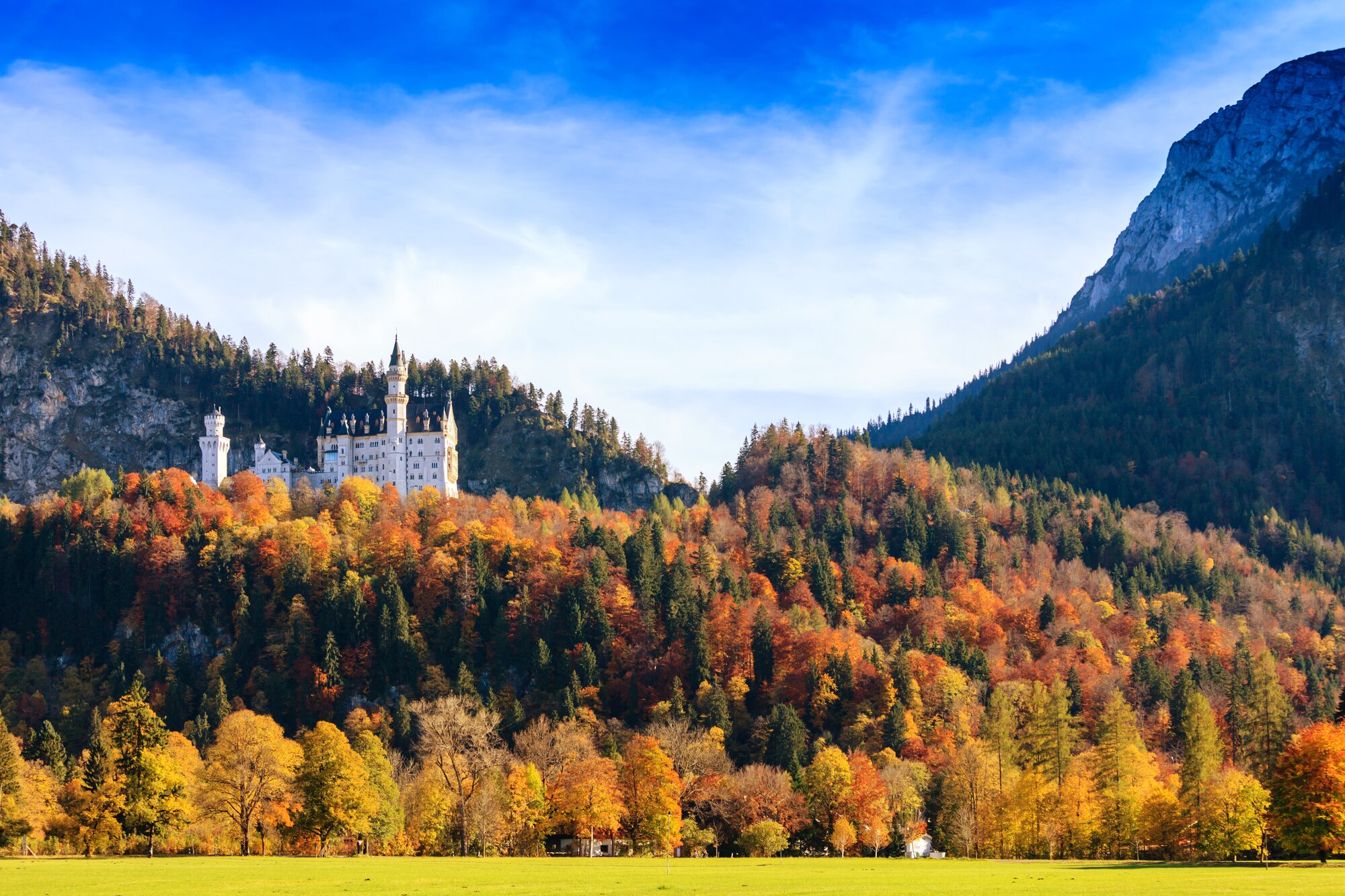
Few places embody the idea of a fairytale castle quite like Neuschwanstein. Rising from a forested hillside in the Bavarian Alps, its white towers and pointed turrets appear almost impossibly picturesque against the surrounding mountains.
King Ludwig II created the castle in the 19th century as his romantic vision of the Middle Ages. Inside, richly decorated rooms draw inspiration from German legends and the operas of Richard Wagner. A local guide can add valuable insight into Ludwig’s eccentric life and help you find the best viewpoints, including Marienbrücke, suspended high above the gorge.
Explore tours of Neuschwanstein Castle
2. Windsor Castle, England
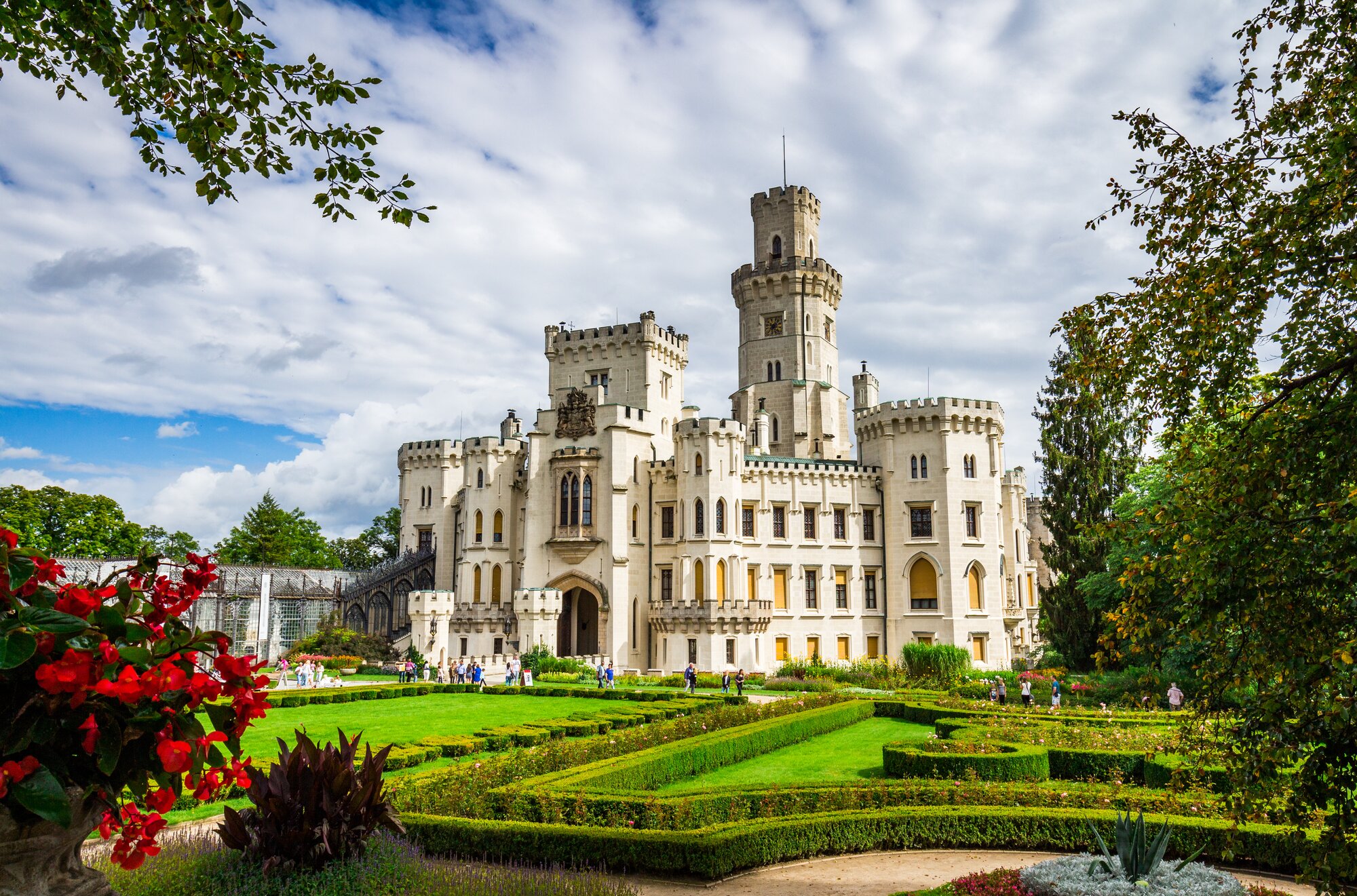
Windsor Castle has watched over the River Thames for nearly 1,000 years, its towers and battlements forming one of England’s most recognizable skylines. Unlike many historic castles, Windsor remains a working royal residence, giving a visit an added sense of anticipation.
Beyond the imposing walls, visitors can explore grand State Apartments, intricate reception rooms and the magnificent St George’s Chapel. If you're travelling with kids or grandchildren, they'll love hearing about knights in the courtyards, spotting suits of armour or watching the guards...perhaps more than following every chapter of royal history. Either way, Windsor makes the scale and ceremony of monarchy feel wonderfully real.
Explore tours of Windsor Castle
3. Bran Castle, Romania
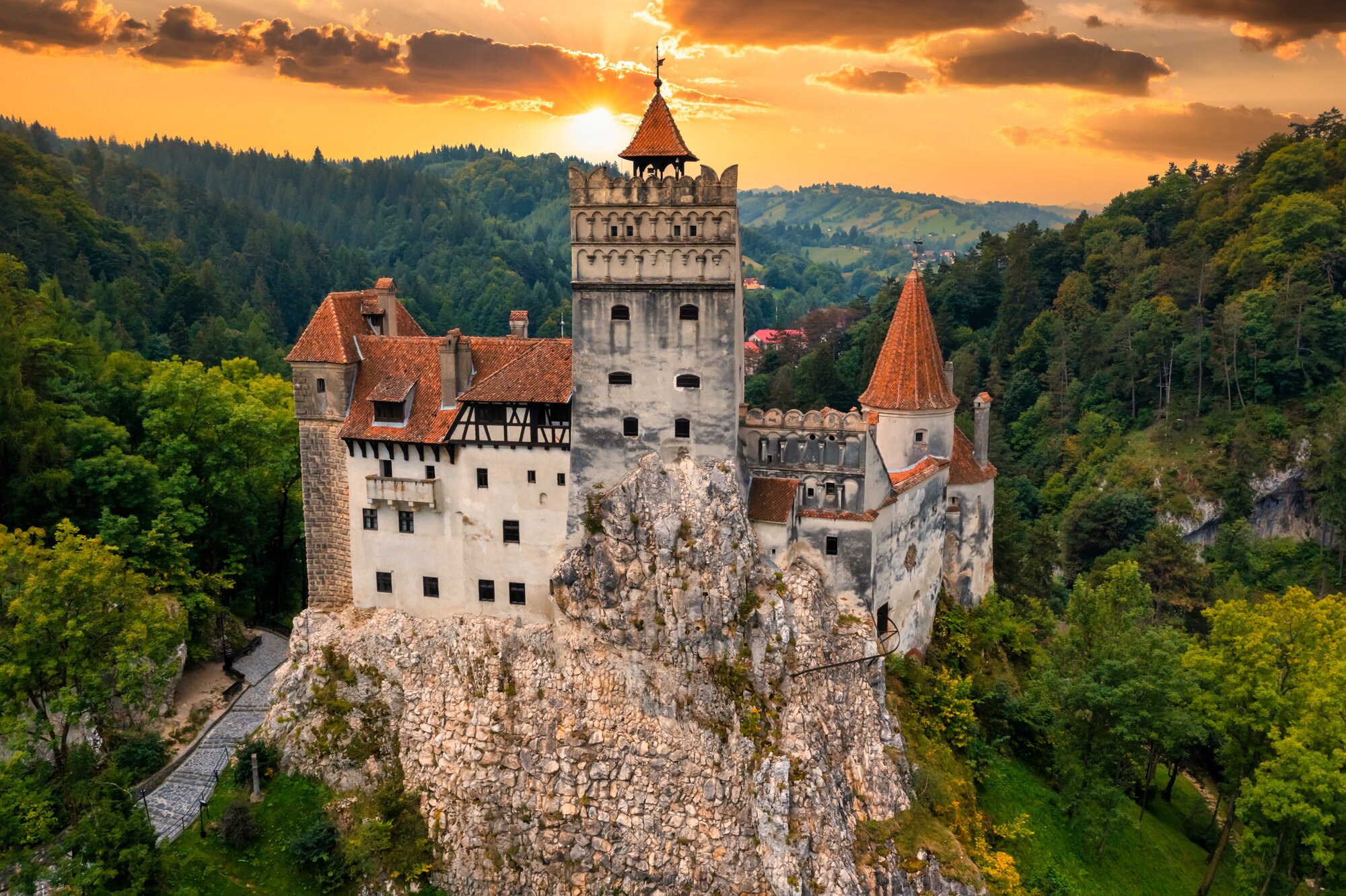
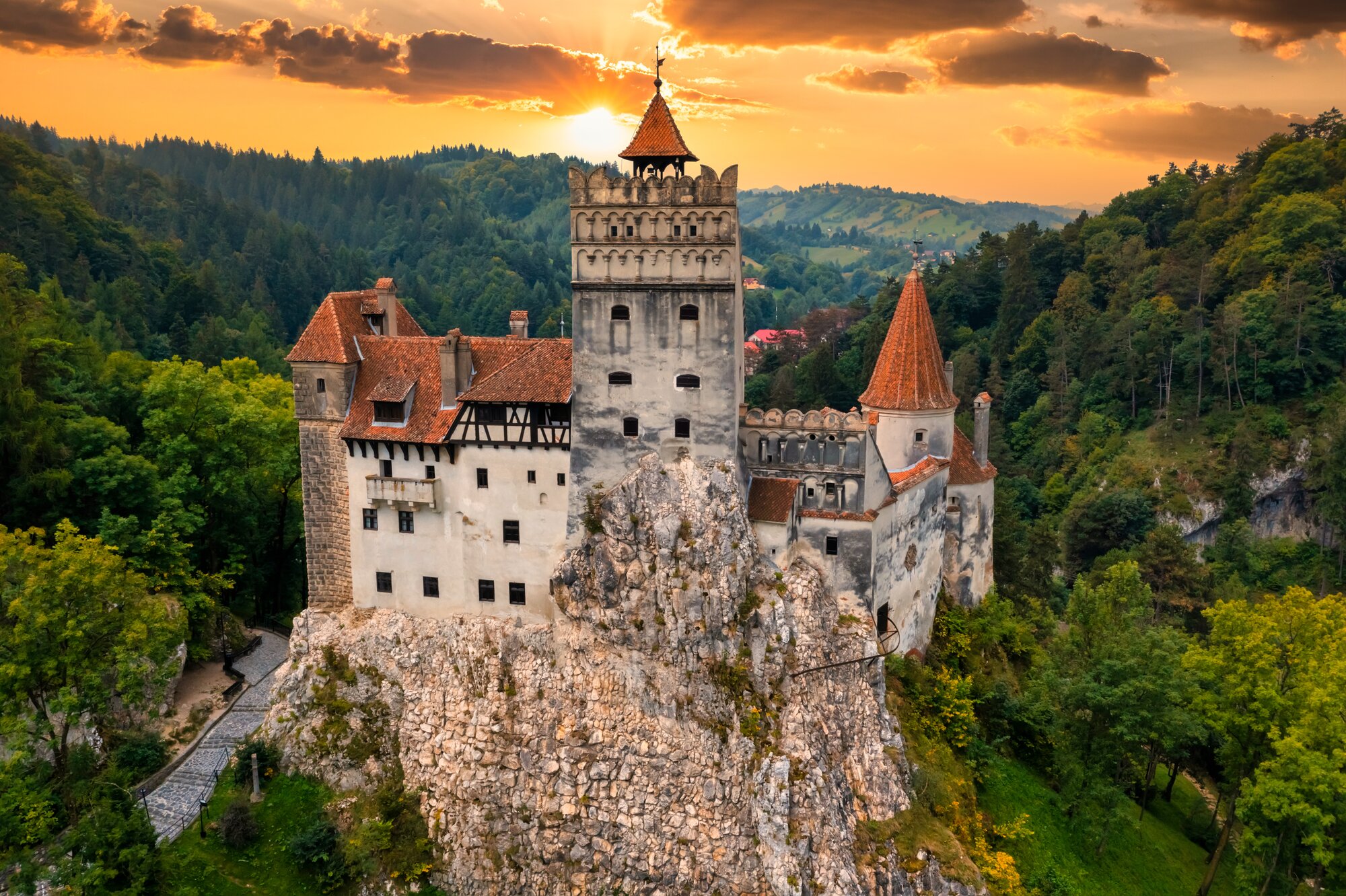
Bran Castle rises dramatically above a valley in Transylvania, its jumble of towers, tiled roofs and narrow windows immediately suggesting mystery. Inside, steep staircases lead between shadowy rooms and unexpected passageways, creating the feeling that the castle still holds secrets.
Of course its association with Dracula only adds to the atmosphere, even though the connection between the fictional count and the real castle is largely one of legend. A guide can separate folklore from fact while sharing the castle’s lesser-known story as a beloved residence of Queen Marie of Romania.
Explore tours of Bran Castle
4. Château de Chambord, France
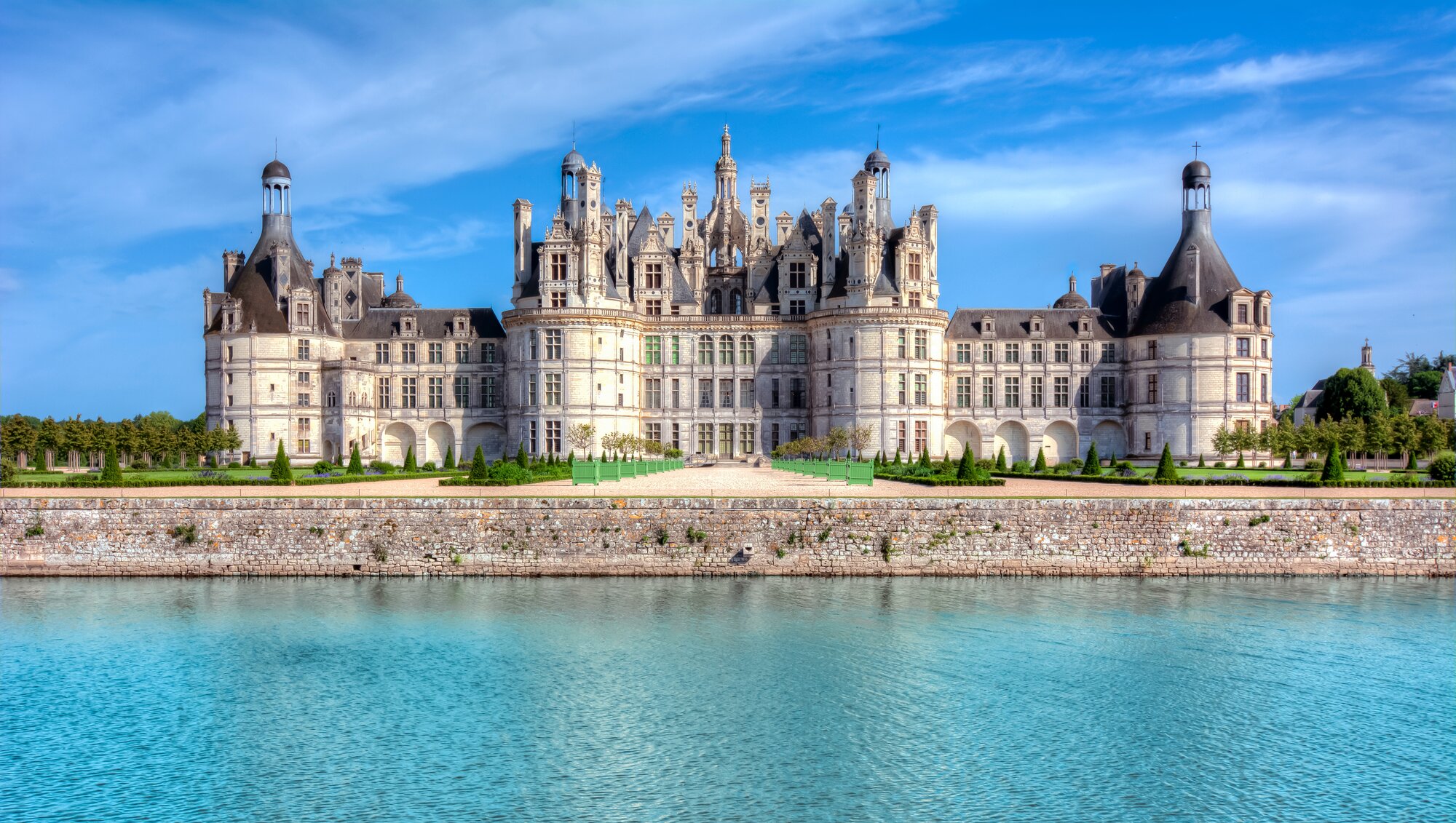
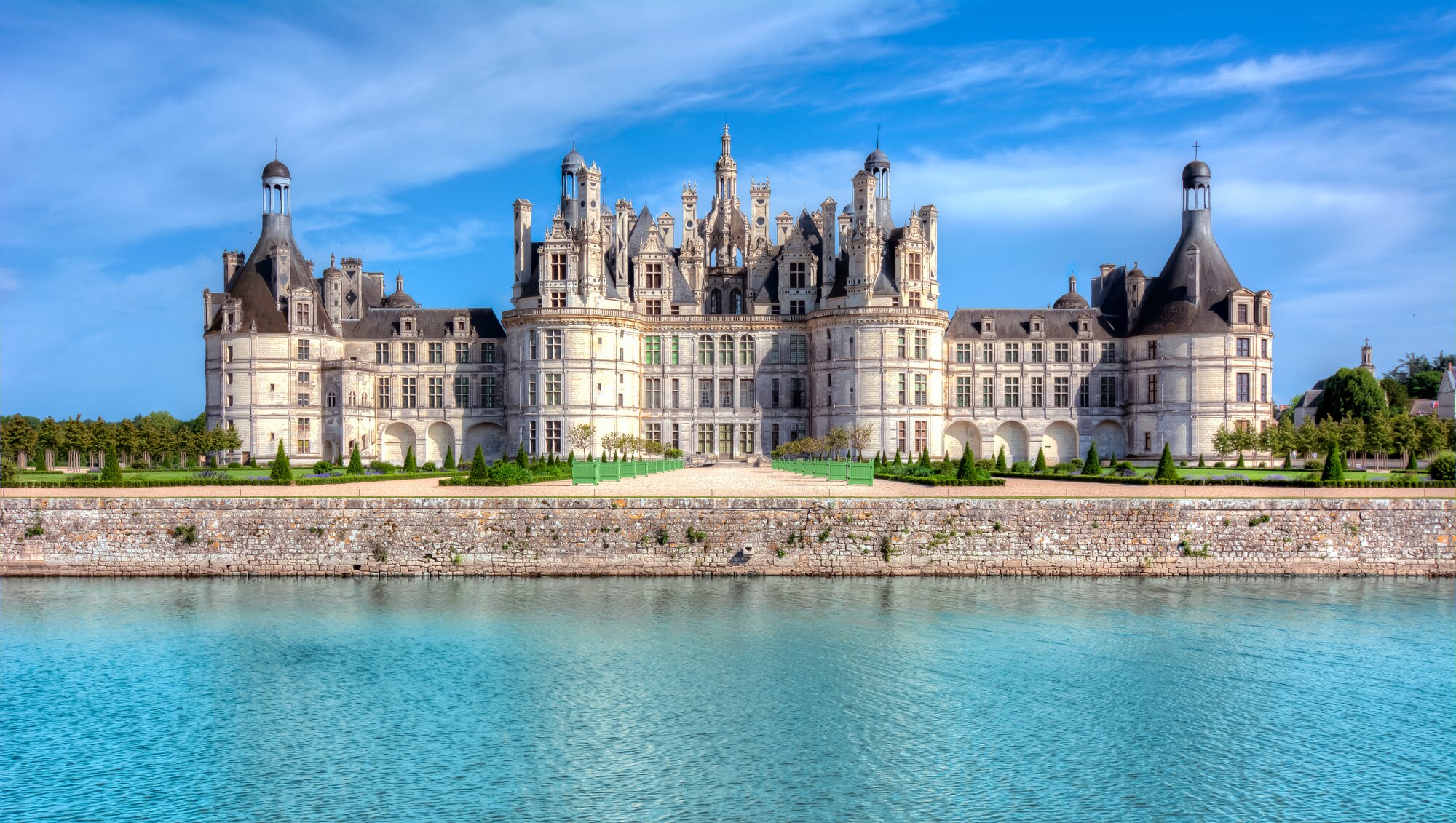
The Château de Chambord does not simply rise from the landscape; it seems to float above it. Surrounded by an immense forested estate in the Loire Valley, its elaborate roofline is filled with chimneys, towers and cupolas that resemble a gleaming white city in miniature.
The château’s most captivating feature is its double-helix staircase, formed by two intertwined flights. Visitors can climb while glimpsing one another through openings, yet never cross paths, an architectural puzzle that everyone who visits finds especially intriguing. From the rooftop terraces, the stone details can be seen up close, while the surrounding countryside stretches towards the horizon.
Explore tours of Château de Chambord
5. Eilean Donan Castle, Scotland
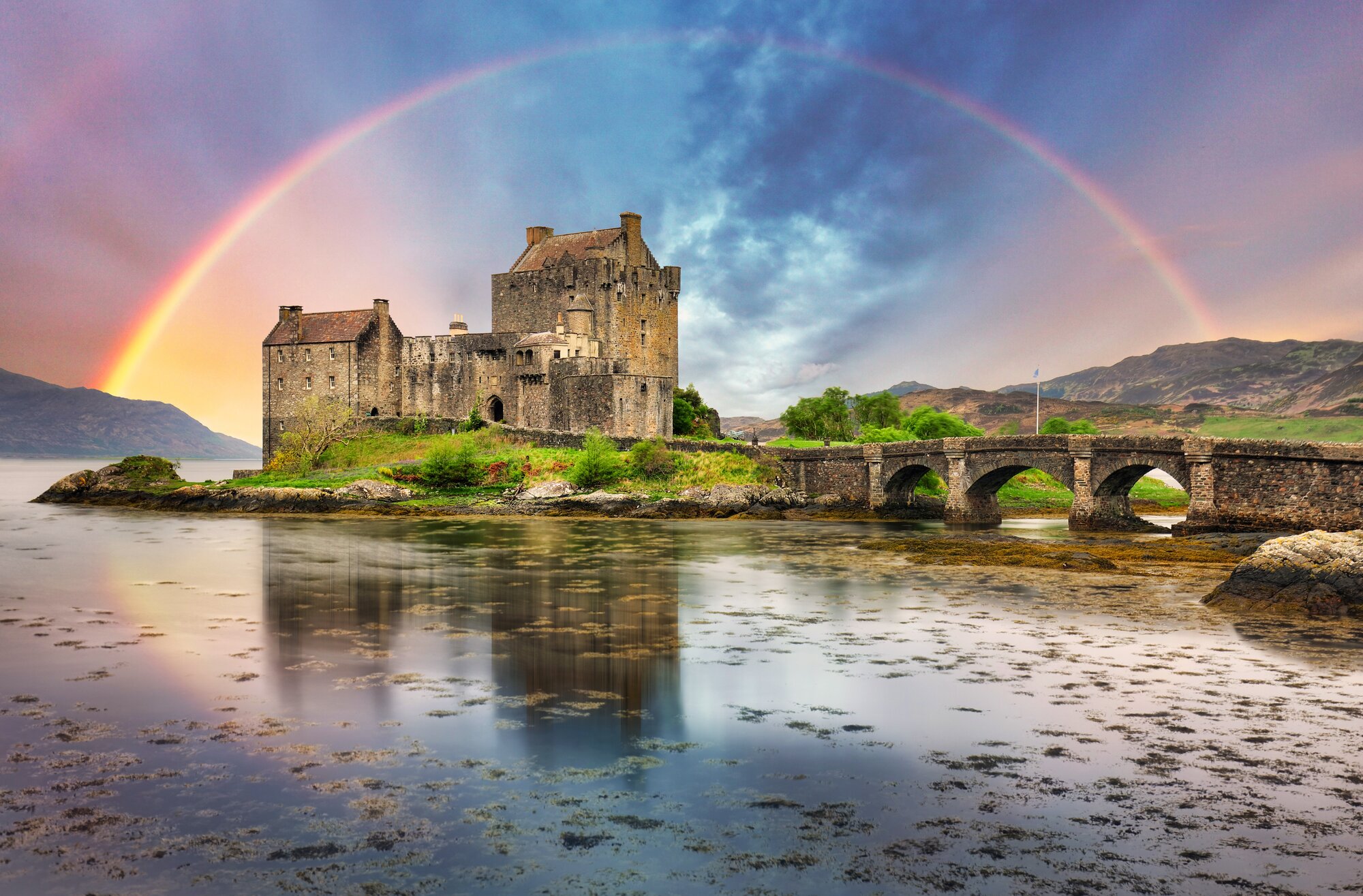
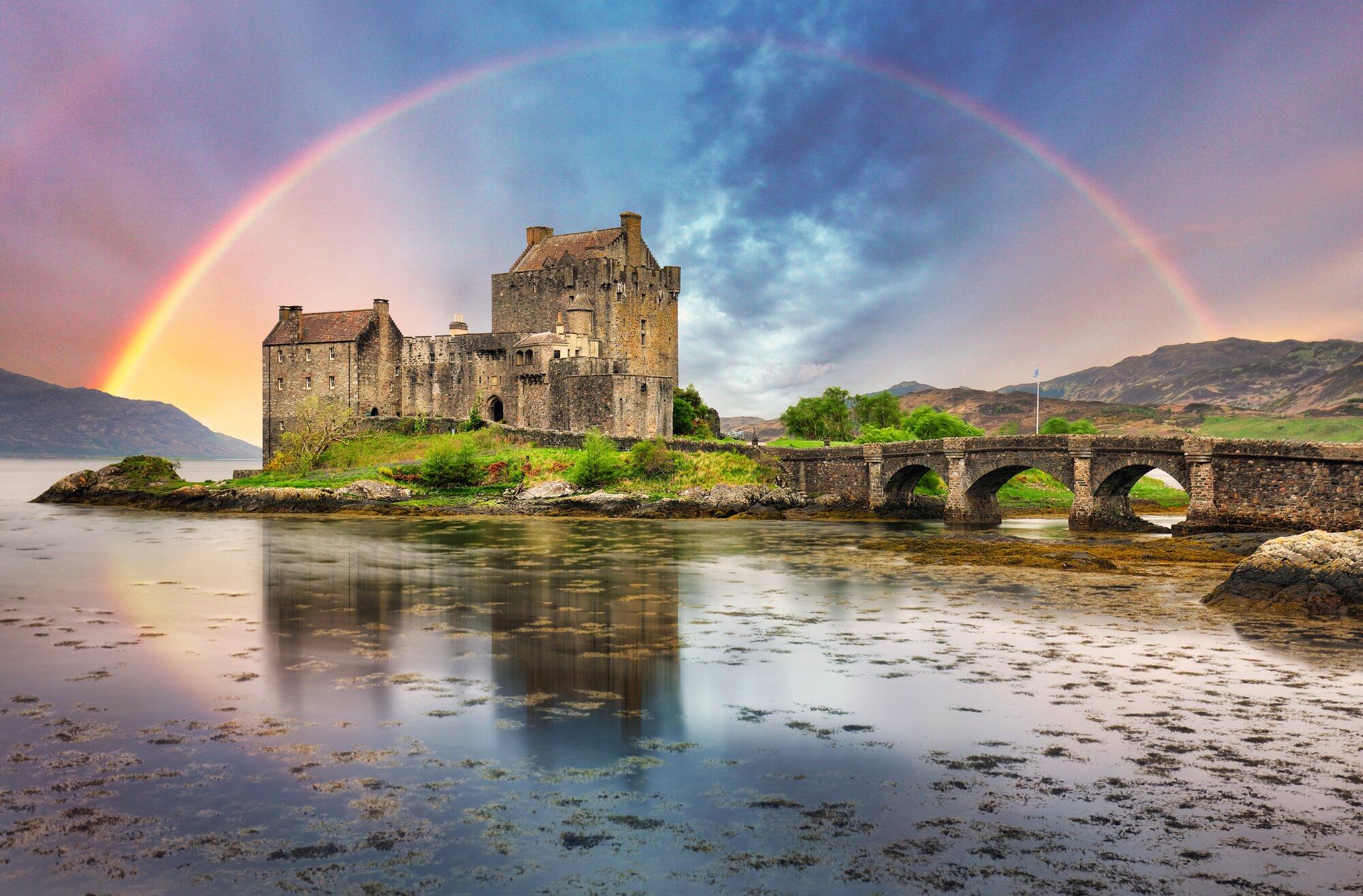
Set on a small island where three sea lochs meet, Eilean Donan Castle seems to belong as much to the Highland landscape as the mountains and water around it. A stone bridge leads across to the castle, creating an approach that feels cinematic in almost any weather. Arriving here feels like stepping into a postcard you’ve dreamed of visiting.
Inside, compact rooms, thick stone walls and clan artefacts reveal a more intimate side of castle life. The surrounding landscape is also inseparable from its story. Exploring it with a local guide can place the castle within the broader history of the Highlands, the Jacobite risings and Scotland’s powerful clan traditions.
Explore tours of Eilean Donan Castle
6. Alcázar of Segovia, Spain
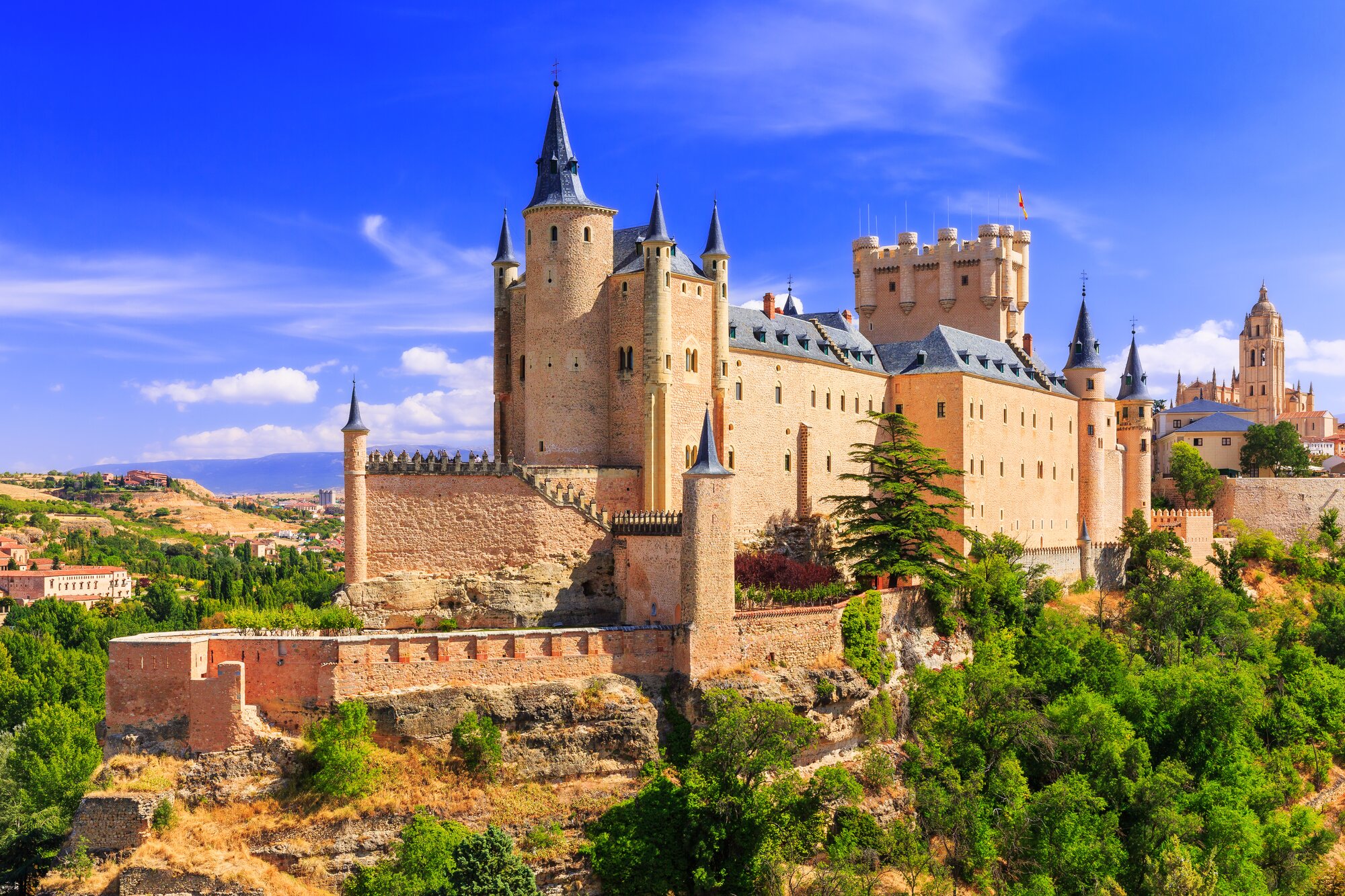
Balanced high on a rocky promontory, the Alcázar of Segovia resembles the bow of a great stone ship. Its pointed slate roofs and soaring towers give it a distinctive storybook silhouette, while views from the castle extend across the plains of Castile.
The rooms within are equally striking, with gilded ceilings, decorative tiles, royal chambers and an armoury filled with historic weapons. Climbing the Tower of Juan II adds a sense of adventure and rewards the effort with panoramic views over Segovia’s rooftops and surrounding countryside.
Explore tours of the Alcázar of Segovia
7. Bojnice Castle, Slovakia
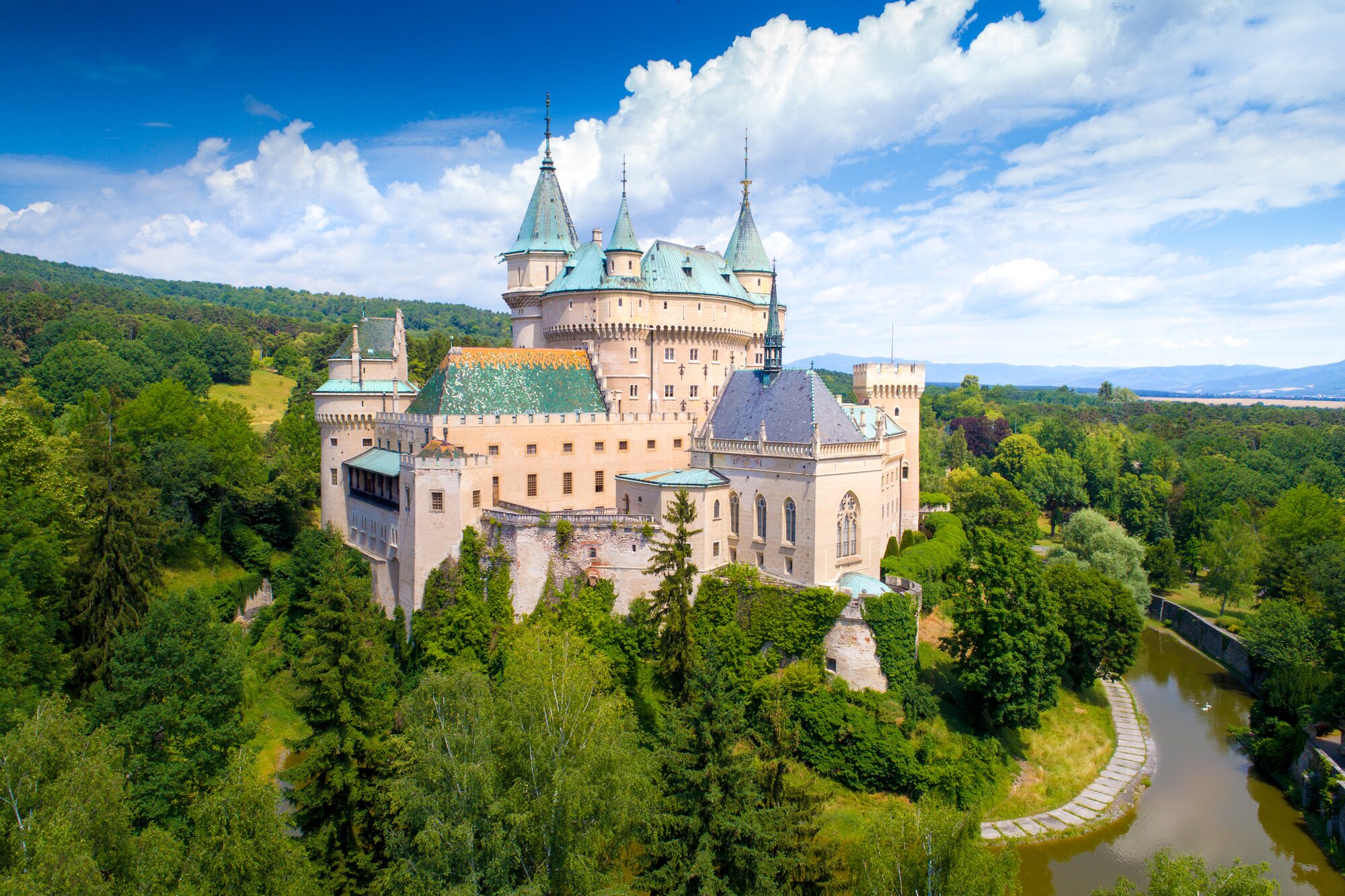
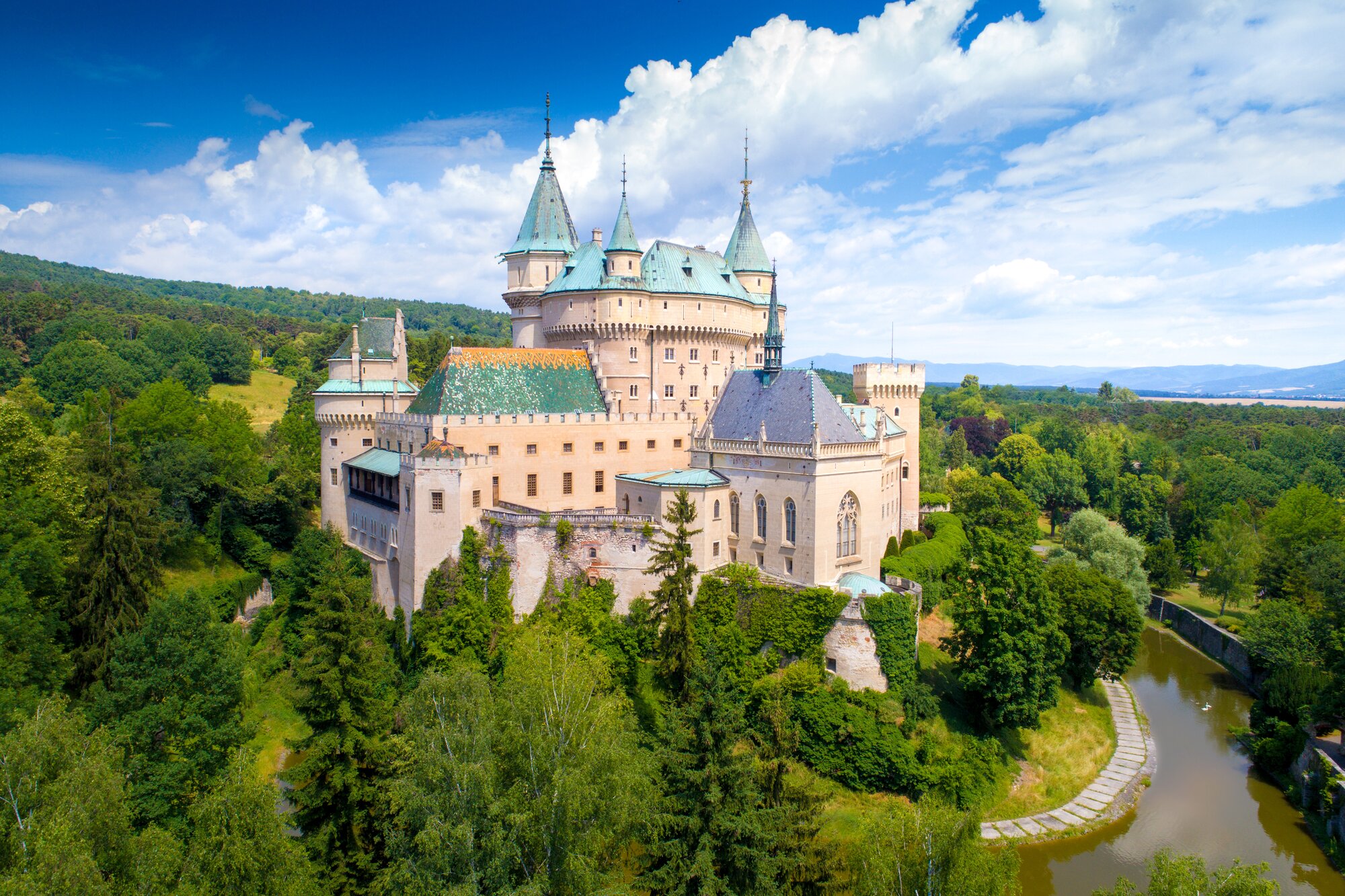
Pale stone walls, romantic turrets and steeply pitched roofs make Bojnice Castle look like a fairytale illustration brought to life. Surrounded by parkland, it has a gentler, more whimsical character than Europe’s great defensive fortresses.
Like many castles, this 11th fortress has gone through multiple versions of itself, as new inhabitants put their stamp on its architecture. Bojnice’s present appearance reflects the vision of Count Ján Pálffy, who remodelled the castle in the 1800s using French Gothic châteaux and Renaissance residences as inspiration. Visitors can wander through ornate chambers and peaceful courtyards, then descend into a natural cave hidden beneath the castle. It may be less familiar than some names on this list, but that sense of discovery away from the crowds only adds to its appeal.
Are you ready to step into your own fairytale? These castles begin telling their stories from the moment you first spot them, whether viewed across a misty lake, glimpsed through a forest, or perched atop rolling hills. Exploring with a local guide brings those stories to life, connecting architecture and legends with the real people who lived behind the walls, and giving travellers of every age something to remember.