
Beyond the Little Mermaid: 3 Unique Ways to See Copenhagen
Jun 16 2025
Today we welcome local guide Tim in Copenhagen as he shares his favourite off the beaten track destinations to explore with visitors.
Hi! I'm Tim, a journalist, writer and guide living in the outskirts of Copenhagen in the beautiful seaside town of Dragør. I am talkative, with a keen eye for the small details that form the great story. History is important, but it has to be presented in a fun and interesting way. As a guide I have great knowledge of the chosen subjects and a lot of experience in making you feel comfortable, smart and entertained. Here are a few ideas to get you off the beaten track in Copenhagen.
Find royal splendor at Frederiksborg, and small town life in Hillerød
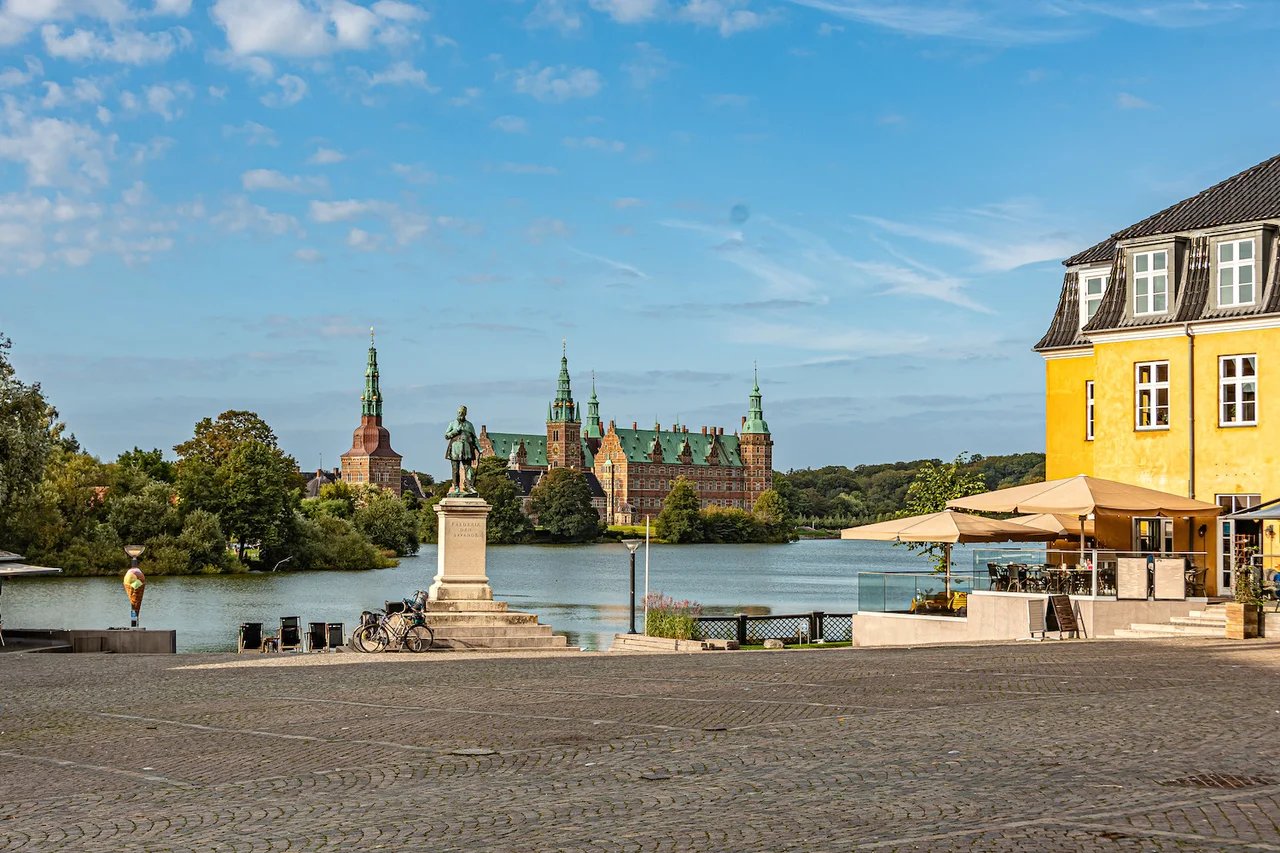
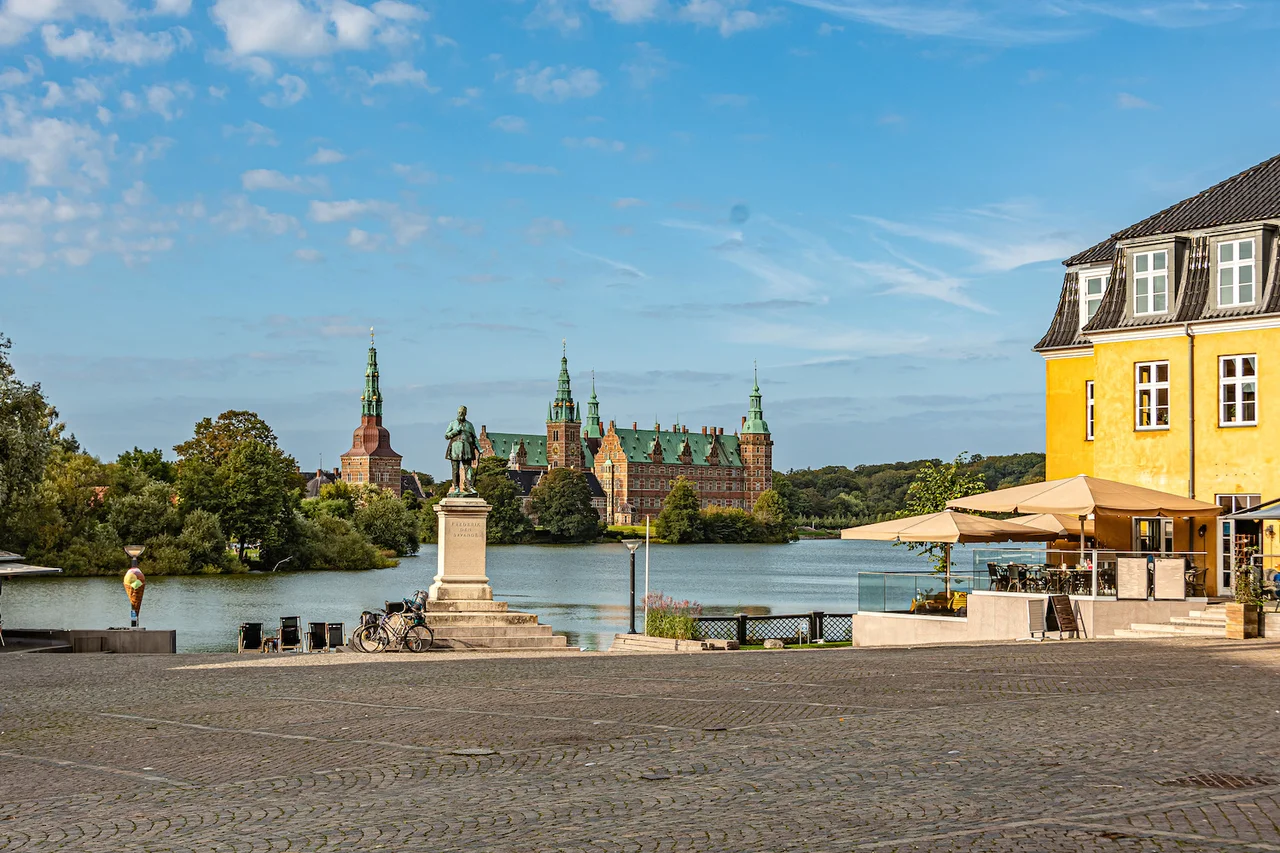 Frederiksborg Castle in Hillerød is one of the most beautiful places to visit in Denmark - but there's more to the history than meets the eye today. From the humble beginnings over a devastating attack from the Swedes - and a freedom fight from the Danes in the area - and to a destructive fire in 1859 that put Denmark on the brink of revolution, this castle has seen a lot of drama. But it has also been the centre of lavish parties, coronations and visits from czars, former US-presidents, kings and other leaders of state. The city around the castle, Hillerød, is also deserving of a visit - it's a typical midtown Danish city, well worth a stroll and a good place to find lunch, hear a little about typical Danish life and maybe take a short visit to the cemetery or town museum. The royal parks are also a sight to be seen - and if you are interested in a tour really off the beaten path, we'll take a detour to what is probably the only monument ever created as a remembrance to the unfaithfulness of a queen.
I love to show my guests Frederiksborg and Hillerød - I was born in the city, and several generations of my family have been baptized and married at the church at the castle. I am sure you will love this charming place too!
Visit Copenhagen’s most unexpected picnic spot
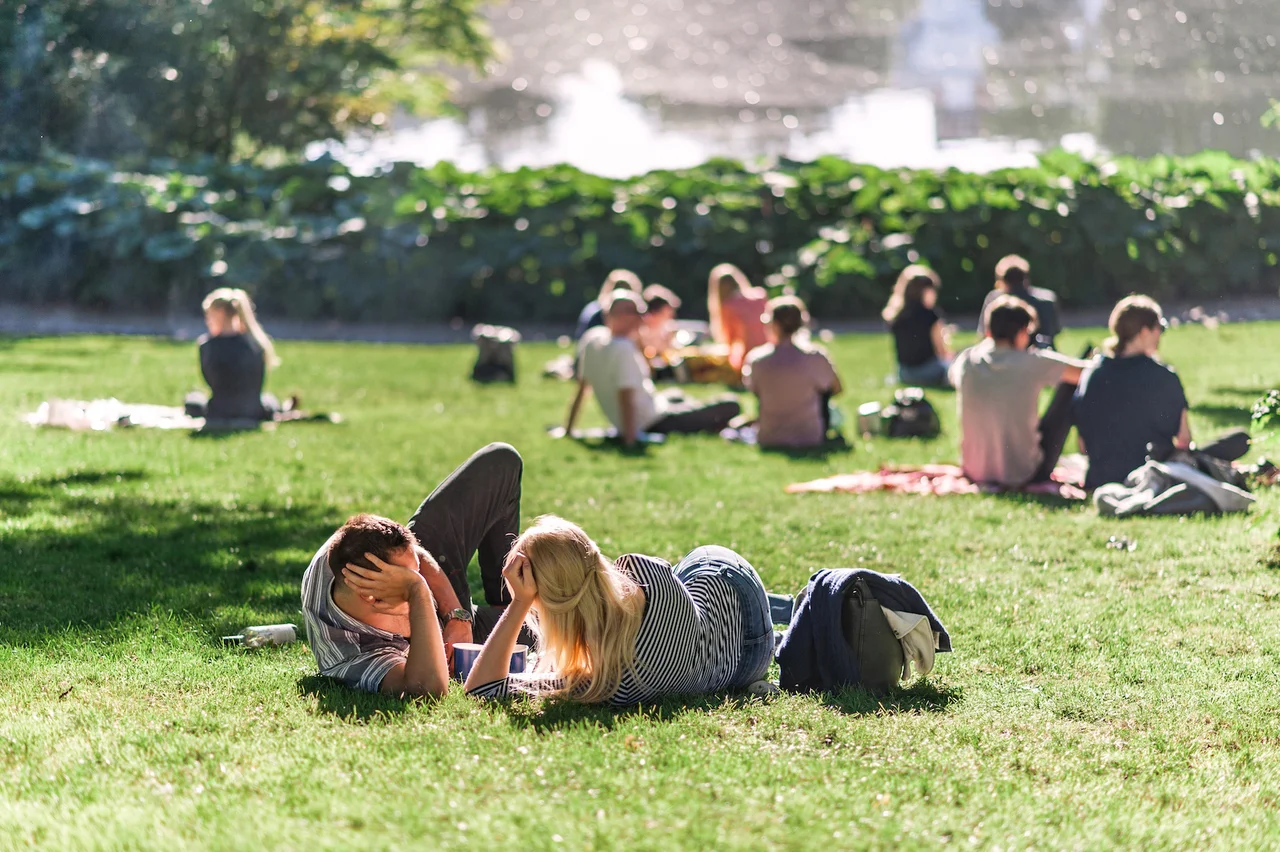 When I travel, I often visit cemeteries - both the famous, monumental ones and the more humble, local graveyards.
I have seen a lot of beautiful, touching and impressive last stops - but I have still to find a place matching Assistens Cemetery in the middle of the busy Nørrebro neighbourhood.
Of course, there are the famous Danish inhabitants - Hans Christian Andersen, Niels Bohr, Søren Kierkegaard and loads of more locally known celebrities. And of course, there's the graves that have become the home of local rituals - the stone turtle being fed pine cones by kindergarteners, the poet who 'blesses' the pens of aspiring writers, the singer, whose grave is always decorated with toys and homemade goods. There's plenty of stories of tragedies and triumph, life and death, and I love to tell them.
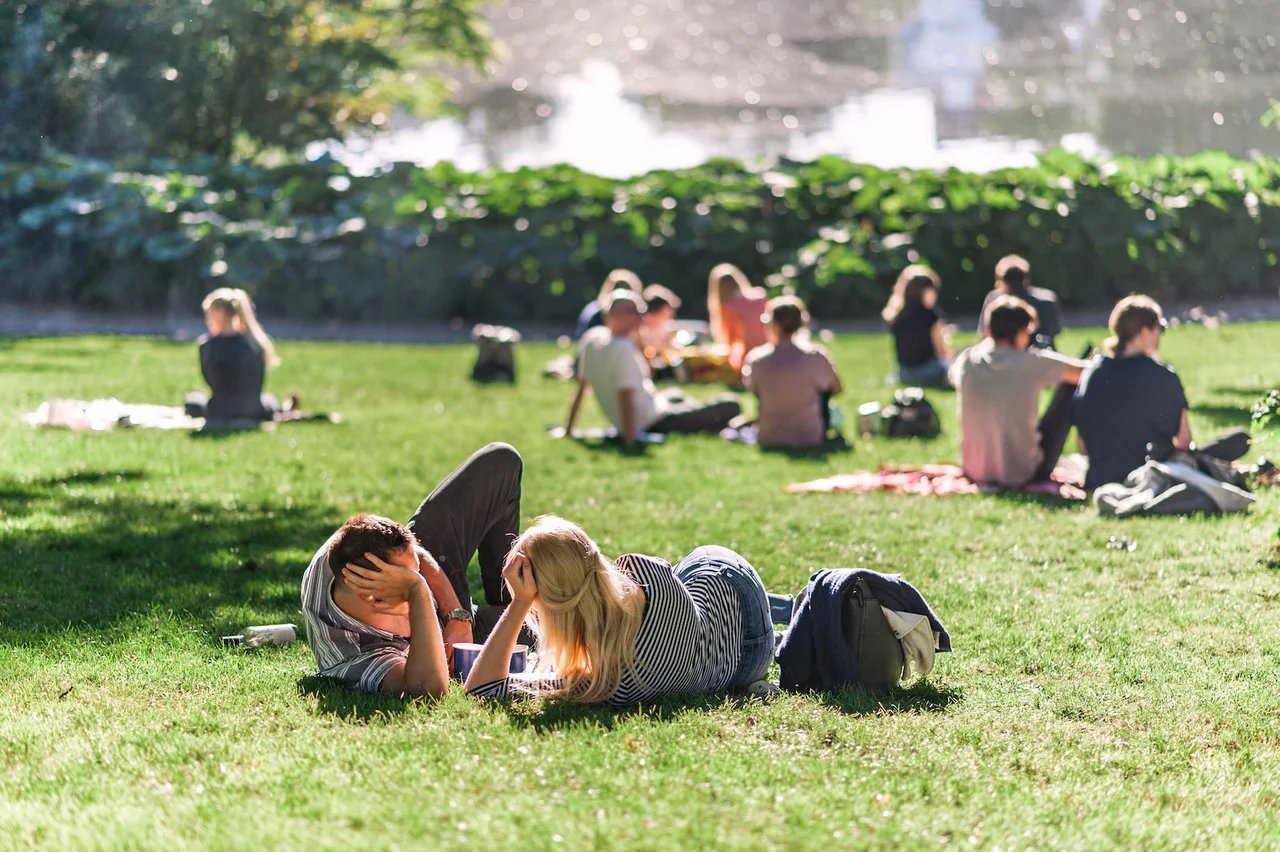
But what really makes Assistens stand out is the life among the graves. From early spring people come here to enjoy the first flowers and the first heat of the sun - and in the summer time, it is one of the most popular picnic spots and a great local hangout, where people meet for beer or coffee. It is very life affirming, experiencing the life between the graves - and it is in fact part of an old tradition, dating back to almost the beginning of the cemetery 200 years ago. It's almost like a celebration of life in the most beautiful surroundings imaginable. You should go there - with or without me as your guide.
Learn about the theft that started a cultural revolution
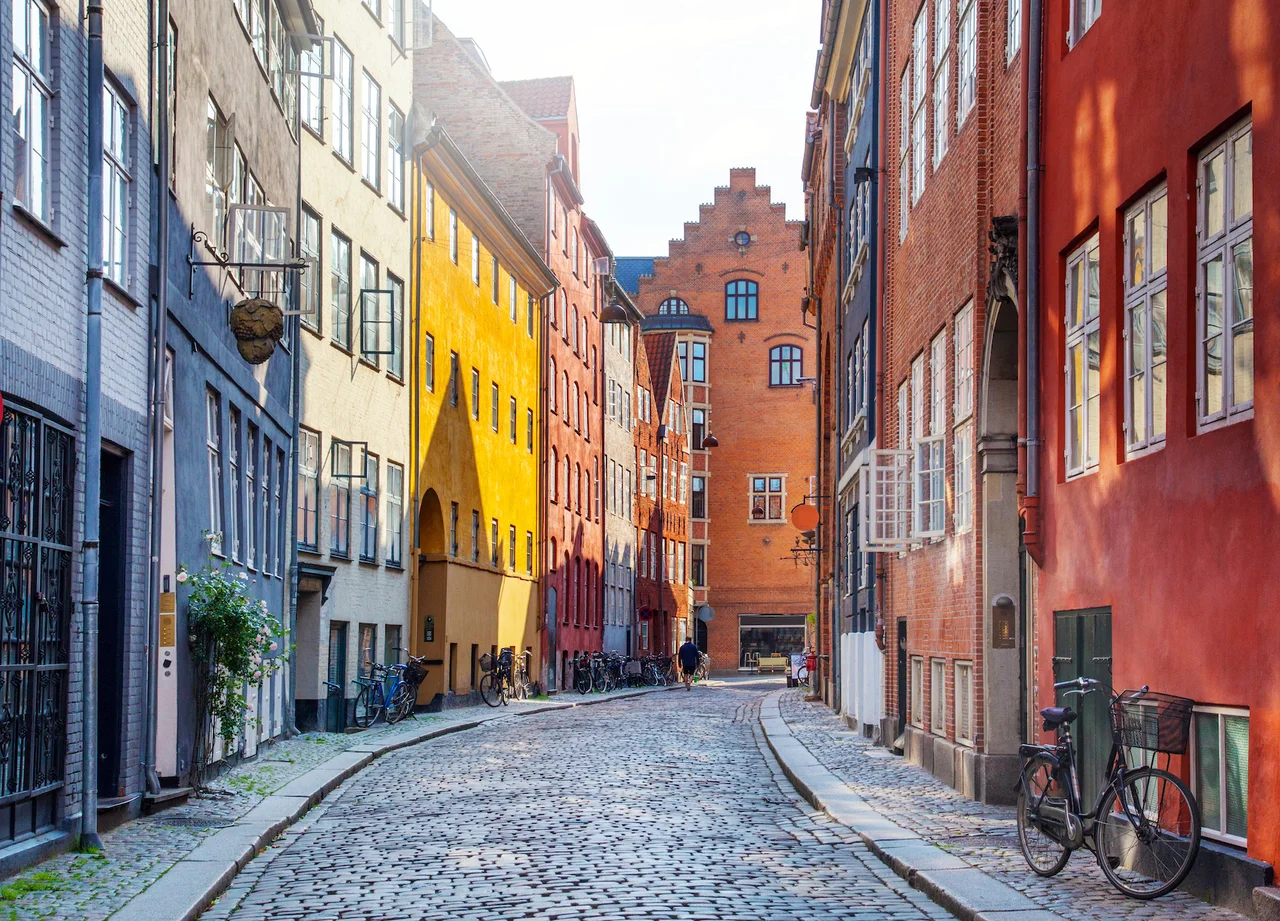 The house itself doesn't really look different than the others in the neigbourhood. It is a nice, old building in an older part of town. But what happened behind the facade at the corner of Larsbjørnsstræde and Studiestræde still resonates today.
On a night in May 1802 Niels Heydenerich destroyed a national treasure - and inadvertently began a cultural revolution. Heydenreich was a former prisoner - who was spared the death sentence for counterfeiting because of his intelligence and was released from prison and allowed to work as a goldsmith and watchmaker.
The treasure was two golden horns, found by farmers more than 100 years before - and very beloved by the king and the people. However, Heydenrich had gained the trust of the keeper of the royal treasures and stolen them - and on this night, he melted them to coins.
When the truth came out, the Danes were devastated. A young poet, Adam Oehlenschläger, wrote a poem called the Golden Horns. It was a tremendous success that introduced the style of romanticism in Denmark and spread to painters and other artists. The loss of the golden horns in that way gave Denmark a lot of fine art - the period is still known as the golden age in Denmark.
I tell this story as a part of the Death and Drama-tour of Copenhagen - the dramatic events - crime, punishment, epidemics and war are often symbols of a time and catalysts for progress. There is something life affirming in this - even the worst events can create positive consequences.
Planning to explore Copenhagen in 2025 or beyond? You can start a conversation with local guide Tim to come up with the perfect Copenhagen and beyond itinerary for you and your travel companions.