Choose a currency
ToursByLocals Blog Posts






The Best UNESCO-listed Food Around the World
Aug 28 2024
You’ve likely been to any number of UNESCO World-Heritage sites - the Taj Mahal, the Acropolis, Machu Picchu, the Vatican… But did you know that UNESCO also maintains a list called “Intangible Cultural Heritage” which designates significance to cultural traditions, not just bricks and mortar places? The tango in Argentina is on this list, along with bee-keeping in Slovenia, silk production in Afghanistan, Uileean piping in Ireland, and so many more magical human practices around the world.
And then there’s the food! UNESCO has recognized several traditional foods from around the world as belonging to the Intangible Cultural Heritage list. These foods are considered to be not only delicious but also significant cultural artifacts that reflect the history, traditions, and identity of the communities that produce them.
We’ve put together a list of ten of our favourite UNESCO heritage foods, explained a bit about the cultural significance of each, and shared tours in each location so that you can experience first-hand these delicious local traditions on your travels.
Ten UNESCO-listed Heritage Foods and Where You Can Try Them
Belgian Beer
 Beer is deeply rooted in Belgian culture and traditions. Brewing beer has been a part of the country’s heritage for centuries, with monasteries playing a vital role in its history. From Trappist ales to lambic beers, and strong ales like Tripels and Quadrupels, there's something for every beer lover. The diverse range of beer styles reflects the country's continuing commitment to preserving traditional brewing techniques and local ingredients.
Belgian beer is often enjoyed as part of social gatherings and celebrations, bringing people together and fostering a sense of community and pride in their brewing heritage. Sounds like something fun to be a part of, doesn’t it?
Take a Belgian Beer tour in Antwerp!
Baguettes in France
 The baguette is an iconic symbol of French culture and the art of baking. It represents the French reverence for craftsmanship, simplicity, and the enjoyment of food. The daily ritual of purchasing a freshly baked baguette from the local bakery is deeply ingrained in French society.
Slice through the crispy golden crust to make sandwiches, or enjoy it with some butter or cheese. Sharing a baguette during meals is a cherished tradition that promotes connection, conversation, and appreciation for the culinary heritage that has shaped France's gastronomic reputation. And who among us hasn’t imagined biking along the Seine with a crusty baguette in the basket?
Explore Paris’ incredible food markets on a French foodie tour.
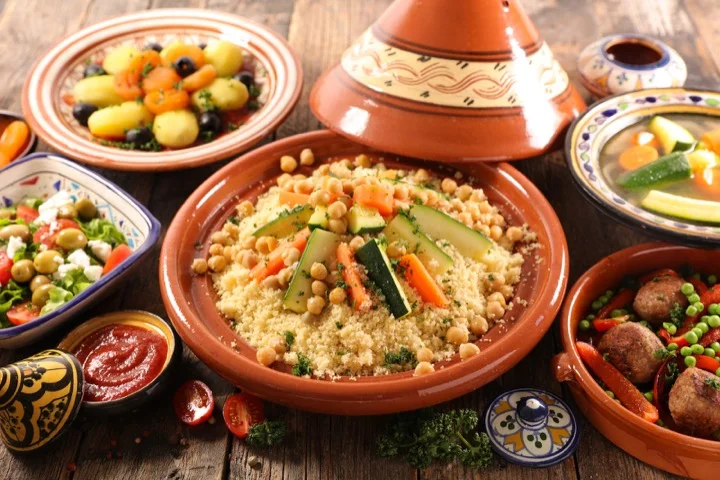
Couscous in Morocco
 Couscous, made from tiny granules of semolina wheat, is a staple food in North African countries, and it holds great cultural significance in the region. It represents the art of communal dining and hospitality, as it’s often prepared and shared during family gatherings and festive occasions.
If you’re visiting Morocco, you’ll be seeing it as a part of many meals! The traditional method of steaming couscous in a special pot called a ‘couscoussier’ reflects the importance of preserving ancestral cooking techniques. The dish symbolizes the fusion of diverse cultural influences in North Africa, showcasing the harmonious blending of Berber, Arab, and Mediterranean culinary traditions.
Go on a walking tour for foodies in Marrakech.
Kimchi in South Korea
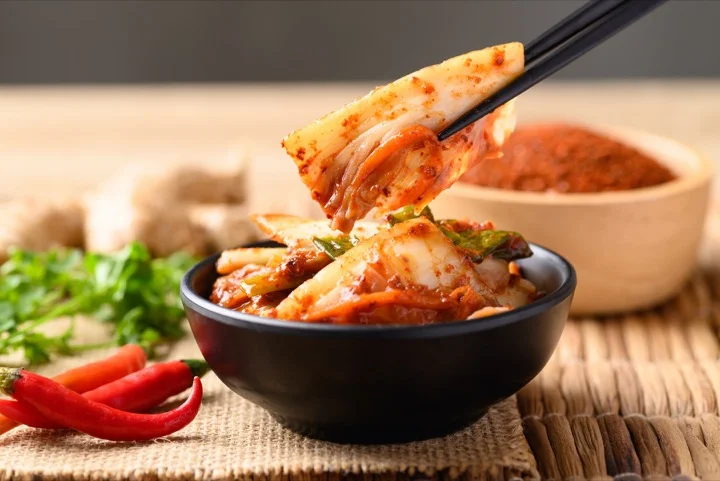
 Kimchi is more than just a side dish in Korean culture—it’s a cultural phenomenon. Made from fermented vegetables, usually cabbage and radishes, mixed with spices like chili powder, garlic, and ginger, it has a unique tangy and spicy flavor that's hard to resist!
Kimchi reflects the Korean emphasis on preserving and fermenting food for long winters and showcases the country's strong connection to agriculture and seasonal produce. Kimchi-making is a cherished tradition passed down through generations, with families often gathering to prepare large batches together. It represents the balance of flavours, textures, and health benefits deeply valued in Korean cuisine and is a must-eat on your visit to Korea.
Discover Korean street food on a tour in Seoul
Neapolitan Pizza
 Neapolitan pizza represents the culinary heritage and craftsmanship of Naples, Italy. Picture a chewy crust topped with fresh ingredients like tomatoes, mozzarella cheese, and basil; the pie embodies the simplicity and passion for quality ingredients that are deeply rooted in Italian culture.
Neapolitan pizza-making follows specific rules and techniques, reflecting a commitment to preserving tradition. Neapolitan is a true cultural icon, and serves as a gathering point for friends and family, fostering a sense of togetherness and celebration.
Neapolitan pizza represents the culinary heritage and craftsmanship of Naples, Italy. Picture a chewy crust topped with fresh ingredients like tomatoes, mozzarella cheese, and basil; the pie embodies the simplicity and passion for quality ingredients that are deeply rooted in Italian culture.
Neapolitan pizza-making follows specific rules and techniques, reflecting a commitment to preserving tradition. Neapolitan is a true cultural icon, and serves as a gathering point for friends and family, fostering a sense of togetherness and celebration.
Walk the streets of Naples and try the city’s best pizza!
Singaporean Hawker Culture
 The hawker culture in Singapore is a cherished part of the nation's identity, offering an authentic and diverse culinary experience that is affordable, accessible, and deeply rooted in the nation’s cultural heritage. Unlike the rest of this list, Hawker culture isn’t a single type of food, but instead the practice of eating at hawker centers, which are open-air food complexes housing numerous stalls.
The diversity of flavors and influences found within a single location is truly special. The stalls offer a range of cuisines, like Chinese, Malay, Indian, and Peranakan, and each specialize in a specific dish, such as chicken rice, laksa, char kway teow, roti prata, ondeh ondeh, or Hainanese curry rice, to name just a few. They serve as delicious places to gather and socialize, and showcase the incredible fusion of cultures that form the backbone of Singaporean culture.
Take a quintessential Singaporean food tour.
Sushi in Japan
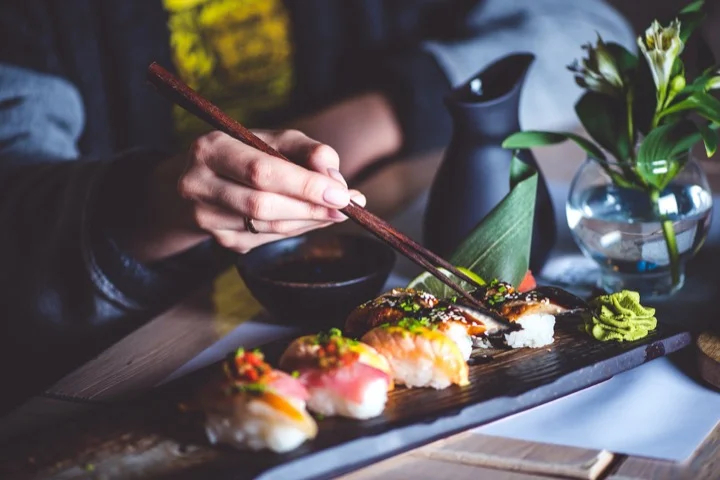
 Sushi is a bite-sized Japanese creation now enjoyed the world over. Consisting of vinegared rice combined with raw or tempura-battered seafood, vegetables, and sometimes tropical fruits, it’s often wrapped in seaweed (nori) and served with soy sauce, wasabi, and pickled ginger.
Sushi embodies Japan’s reverence for simplicity, precision, and harmony in both taste and presentation. The art of sushi-making has been passed down through generations, representing a deep connection to nature and the sea. It reflects Japan's focus on using the freshest ingredients and skilled craftsmanship to create a culinary experience that is both visually appealing and absolutely delicious.
Borscht in Ukraine
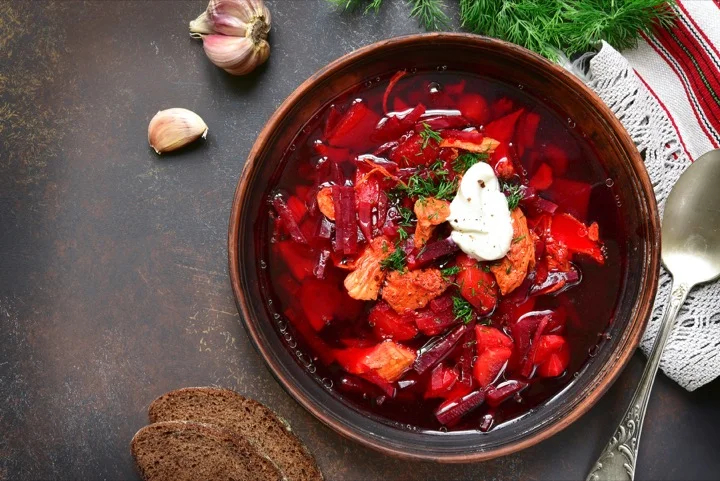
 Borscht, a hearty Eastern soup beloved by eastern Europe, is made with beets as the star ingredient, giving the soup its vibrant red color. You'll also find other veggies like cabbage, potatoes, carrots, and onions swimming in there, sometimes also with meat like beef or pork. It's served hot or cold, with a creamy dollop of sour cream on top.
Borscht represents the resilience and resourcefulness of the people in these regions, as it has been a staple during difficult times throughout history. The soup’s vibrant red color is reminiscent of the fertile soils and agricultural traditions of Eastern Europe. It is often enjoyed during communal gatherings, symbolizing hospitality, warmth, and the importance of family ties.
Learn to eat and make Borscht in Lviv, Ukraine
Turkish Coffee in Turkey
 Turkish coffee is strong and aromatic, a legendary brew enjoyed in Turkey and other Middle Eastern countries. The beans are ground into a fine powder and then boiled up in a special pot called a cezve. The result is a rich, thick coffee with a robust flavor.
Coffee culture in Turkey carries centuries of cultural significance and is deeply intertwined with social customs and traditions. Pay attention to the coffee’s preparation and how it’s served; it reflects a sense of hospitality, patience, and true attention to detail. Served in small cups, it's perfect for sipping slowly and savoring the moment with friends. Don't forget to pair it with some sweet Turkish delight!
Learn more about Turkish coffee culture from local guide Neslihan.
Tacos in Mexico
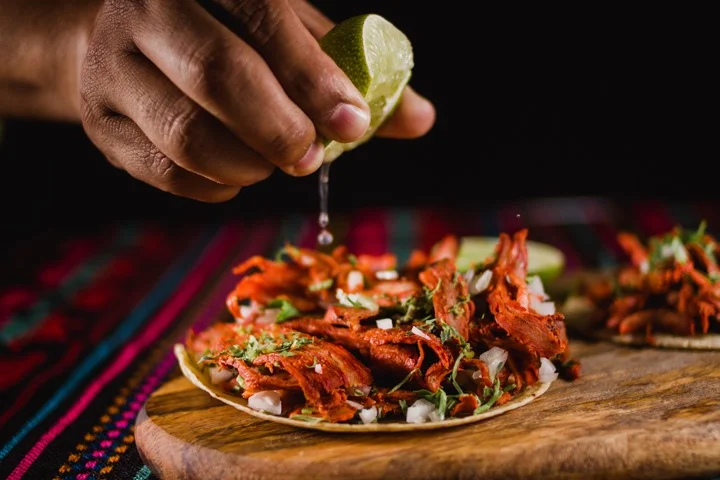
 Tacos are the ultimate Mexican street food delight and an integral part of Mexican cultural identity and gastronomy. They represent the vibrant and diverse flavors of Mexico, showcasing the country's rich culinary heritage...and they’re fun to eat!
Picture a warm tortilla filled with juicy seasoned meat like beef, chicken, or pork, topped with fresh veggies, cheese, and salsa. Whether you like them soft or crispy, tacos are a flavor fiesta. And there’s nothing fussy about them; tacos are often enjoyed in a casual and communal setting, where family and friends gather to share a meal. They embody the warmth, hospitality, and zest for life that characterizes Mexican culture, while also serving as a symbol of national pride and unity.
Sample the dazzling flavours of tacos in Oaxaco, Mexico
Of course, these are just a few examples of the best UNESCO-listed heritage foods, and there are many more out there to discover! You may find them close to home if you’re in an urban area with sizeable immigrant populations - or you may wish to plan a trip to discover these delicious foods cooked with love in their place of origin.