
What to Do With a Day in Johannesburg
Oct 03 2022
A warm welcome today to South African guide Andrew! Andrew is based out of the fascinating, vibrant city of Johannesburg, and takes visitors on cultural and sightseeing tours of the city, as well as on safari to places like Entabeni, Pillanesberg, and the mighty Kruger National Park. As he tells us: “I grew up in Johannesburg and know it inside and out; I studied history and culture, so if you are looking for a storyteller, then you are in the right place with me.” Today he’s sharing with us his five must-see places in Johannesburg, along with a few safety tips for visiting.
Discover the Top Attractions in Johannesburg
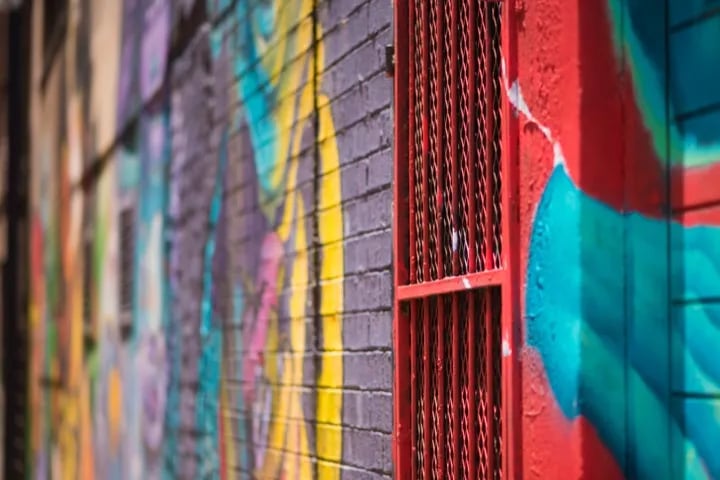
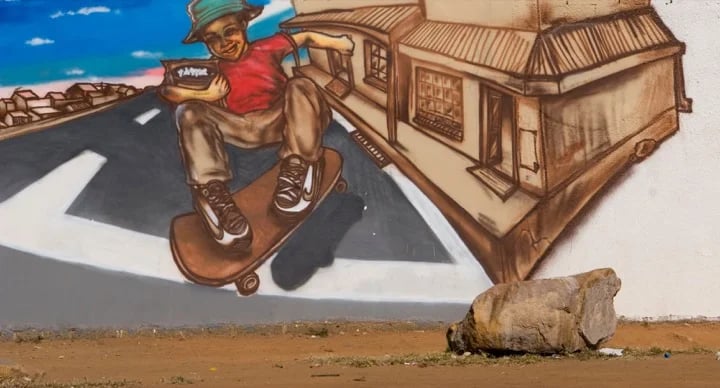
What do you know about the city of Johannesburg? There’s a lot to learn! Johannesburg is also known or called by locals as Jo'burg, Jozi, or the “city of gold” because it was developed as a gold mining settlement in the 19th century. The city quickly evolved into a mega city in the early 1900s, it grew to be a South African economic hub, expanding into metropolitan suburbs. Johannesburg is a stopover for international tourists, and is the home of OR Tambo International Airport which is the busiest airport on the continent of Africa. Johannesburg also has some of the best street art in the world with lots of colourful graffiti art and paintings on the street walls around the city, waiting for you to spot it as you travel by.Here are five places you can’t miss on a trip to Johannesburg.
1. The Apartheid Museum
 The Apartheid Museum gives us a glimpse of Apartheid exhibition through photos, artefacts, and film footage through South Africa’s painful journey to freedom in the hands of the apartheid regime, and laws of segregation according to racial groups. On arrival to the Apartheid Museum, you’ll notice The Pillars of the Constitution that demonstrate South Africa’s new constitution that was adopted in 1994 and 1996 in our first fully democratic parliament. In order to illustrate the reality of the past, at the gate, visitors gain entry through Race Classification: you are only allowed entry through the race you are allocated to, your race will be allocated to you according to your random entry ticket purchased at reception; this will be before you walk on the journeys of discoveries in Johannesburg through the 1880’s.
There are two exhibitions in the Apartheid Museum:
(a) Mandela Exhibition Nelson Mandela has been at the forefront of every stage of South Africa’s epic struggle against apartheid, there’s an exhibition to learn about his character as a comrade, leader, prisoner for 27 years, negotiator, and a statesman.
(b) Permanent Exhibition In this exhibition it takes you through past events of difficult days of South Africa’s struggle for liberation, the journey of pain, oppression for centuries and 46 years of apartheid regime.
2. Constitution Hill
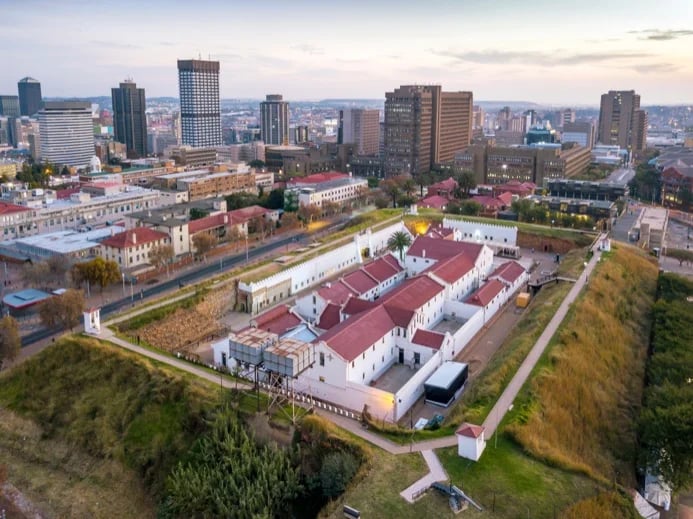
 Constitution Hill is a former Johannesburg prison and old military fort. Through the exhibition at this precinct it confirms that tens of thousands of men and women of all races, ages, social status and political agendas, including Nelson Mandela and Mahatma Gandhi, and many more political activists were captured and tortured here.
Your tour guide will take you through male prisoners’ cells known as Number Four, a Women’s Jail, an Awaiting Trail Block and Constitutional Court. You will have an opportunity to enter our functioning High Court, if there are no court proceedings taking place.
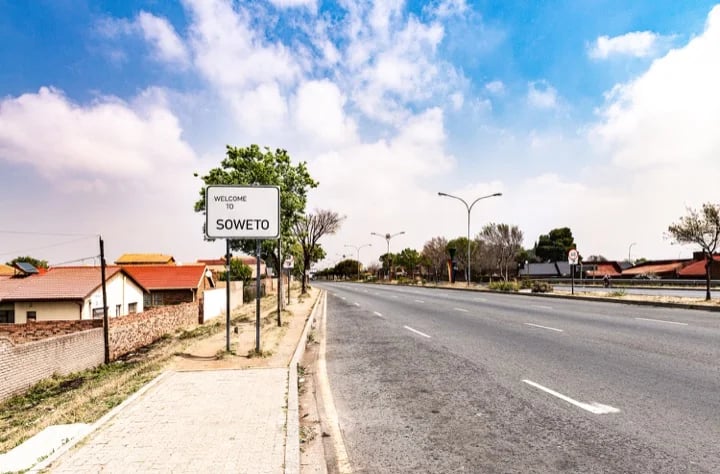
3. Soweto Township
 A homelands, Bantustans or black people’s neighbourhood developed in 1950’s, Soweto is an acronym for South Western Townships, originally started through the forcible removal of black people from Johannesburg city and surrounding suburbs through white and black racial tension.
During the apartheid regime, Soweto was known as a no go area for tourists, but today the South African government have invested a lot into development of tourism in Soweto to make Soweto a safer and interesting attraction. I like to take people here both by car, and on bikes, like this Soweto bike tour.
A homelands, Bantustans or black people’s neighbourhood developed in 1950’s, Soweto is an acronym for South Western Townships, originally started through the forcible removal of black people from Johannesburg city and surrounding suburbs through white and black racial tension.
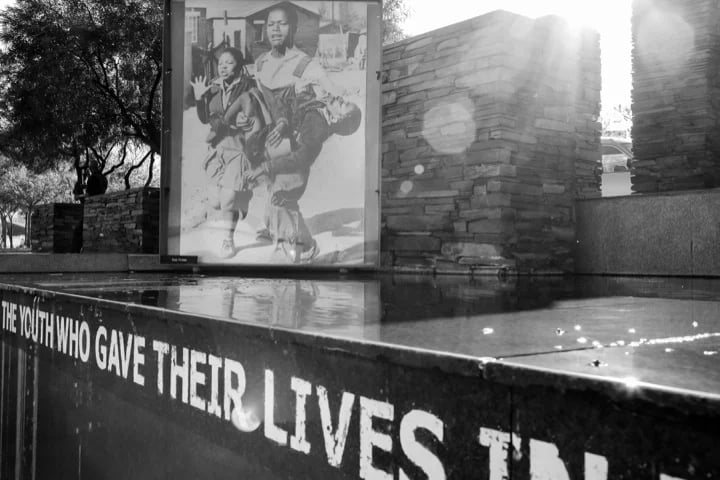
During the apartheid regime, Soweto was known as a no go area for tourists, but today the South African government have invested a lot into development of tourism in Soweto to make Soweto a safer and interesting attraction. I like to take people here both by car, and on bikes, like this Soweto bike tour.In the 1960’s and 1970’s, Soweto was known for riots and protests; this is where conflicts would start before it spread to other parts of South Africa, and on the 16th of June 1976 the student uprising that claimed the lives of many students both from primary and secondary school erupted here. The 12-year-old Hector Pieterson whose death sparked an international outcry about apartheid, was shot here on the day, and later the Hector Pieterson Museum was built in honour of him and other students.
There are other tourist attractions, such as 16 June 1976 Memorial Acre, Walter Sisulu Square in Kliptown, this is the location where on 26 June 1955, the Congress of the People, met to draw up the ANC’s Freedom Charter, a guideline document emphasized a non-racial society and equal, individual rights.
While here, you have a chance of walking in the footsteps of global icons at Vilakazi Street, the only street in the world to have housed two Nobel Peace Prize winners, Nelson Mandela and Arch Bishop Desmond Tutu.
4. Maboneng Precinct
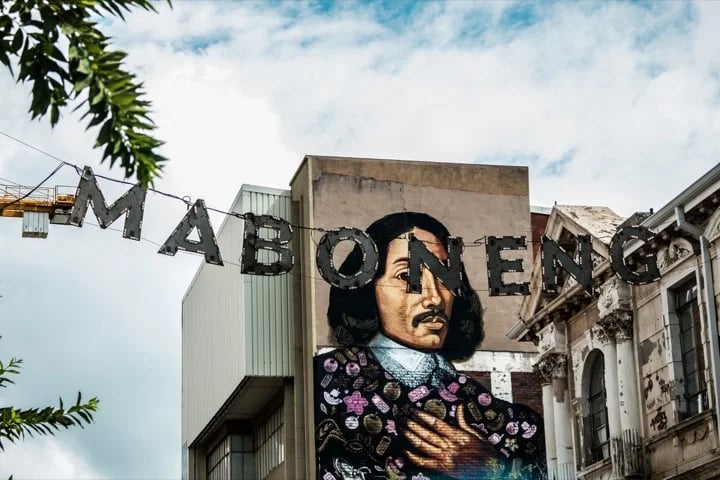
 This is the Johannesburg fashion corner in downtown, a buzzing lifestyle playground, creative market, with photographers flashing lights every corner. There’s no doubt Maboneng really is the coolest neighbourhood in the world, according to Forbes Magazine. Maboneng is a Sesotho word meaning “place of lights”. The name aptly describes the district as it has become one of the hubs for creative energy in the city.
5. Johannesburg Mega Shopping Malls
 Johannesburg’s mega-malls are the lap of luxury for pleasure and business, and they’re also home to boutique hotels, luxury rental apartments, beauty spas and upmarket restaurants.
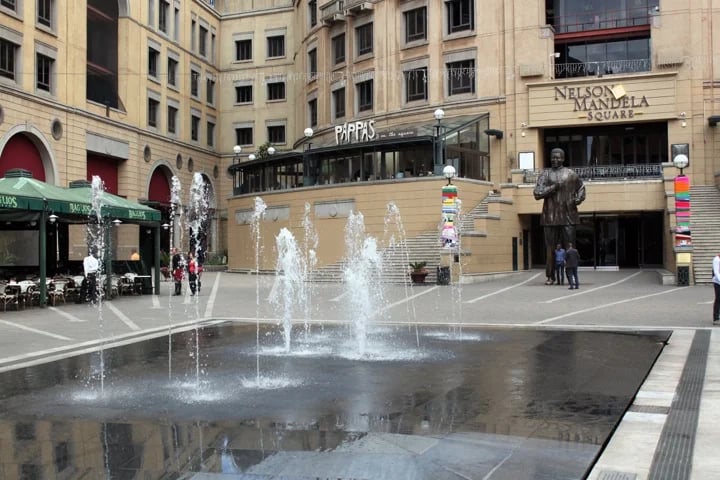
Sandton City and Nelson Mandela Square Shopping Malls
This one of the prestigious shopping destinations in the city, it’s a one stop mall to get every fashion brand house or brands you can think of, and visit Nelson Mandela Square within the vicinity.
Rosebank Mall
This is an impressive shopping zone whether you are just visiting or staying at 50 Bath Avenue. Rosebank is the home of Rosebank Crafts Market with a wide variety of arts and crafts to take home with you.
How to Travel Safely in Johannesburg
Of course, the city had a bad name in the past, known more for riots and protests than arts and culture, and still has a reputation for danger. Throughout history, many major cities in the world have become more dangerous with higher homicide rates where poverty has worsened, unemployment has increased, migration from the region has accelerated and law and order institutions have weakened or become corrupt.Johannesburg is no different, and the following are safety tips, so you can experience the energy of this amazing city, while staying safe:
· Try not to travel at night, unless you are with a tourist guide. · Avoid isolated areas of the city, especially at night. · Ask for your local tour guide for advice about specific ‘safe’ vs ‘unsafe’ local areas. · Keep a photocopy of all your important documents in a safe place, just in case you lose the real ones. · Use ATMs during the day when there are people around. · Try to rely more on credit cards than carrying lots of cash. · If you are mugged, don’t fight back. It is better to lose a few dollars and a wristwatch than get injured. · Avoid incidents such as fights, riots or civil disturbances at all times.