Choose a currency
ToursByLocals Blog Posts
How to Plan a Sustainable Road Trip
Nov 30 2020
With fewer of us crossing international borders right now, the humble road trip is enjoying a bit of a renaissance! Whether you’re traveling within or across state lines, a car offers you freedom, flexibility and a safe and simple way to get from A to B.
By not flying, you’re helping to lower your carbon emissions, which is a great start to a more sustainable way of traveling. But when we go on any trip, we’ve got to bear in mind that we’re not only enjoying the places we visit, but also having an impact on a destination's environment and local communities.
The best road trip is the one that leaves no trace of you in the environment. Or maybe you even leave some places better than you left them! Today we share:
3 Ways to Be Environmentally Friendly On a Road Trip
 1. Prepare your car
• First of all, check that your car has no leaks and the tire pressure is where it should be. Also make sure that the air filter is clean, as if it’s dirty it might drop the car’s fuel efficiency by 20%.
• While driving, do it responsibly. This means going at a steady speed, without accelerating too quickly. We recommend using the slow lane to optimize your fuel and also, enjoy the road! You’ll save money and emissions.
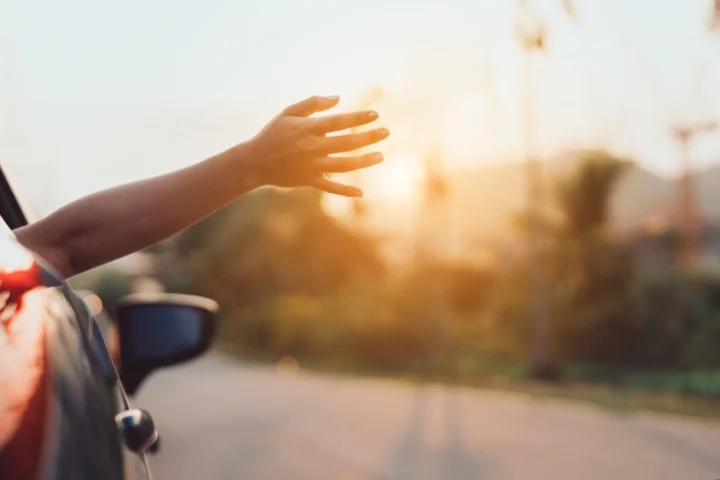
• Another way to optimize fuel is to keep the air conditioning on low (or better: roll down the window and take in the view without a glass in between!)
• An idling car produces as much pollution as a moving car, so we recommend not leaving the engine running when you stop for great photo opps.
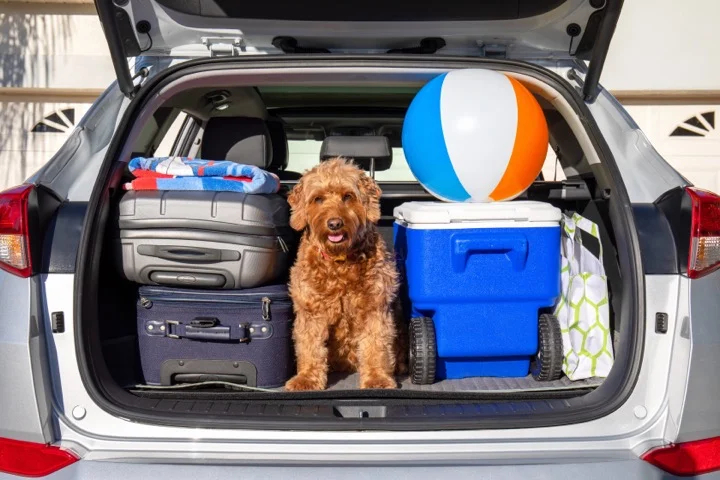
• Avoid unnecessary luggage! This is a great time to pack less and light. By doing this, you can leave home without excess weight or any roof top cargo, which can weigh your car down and make it less efficient.
• If you’re renting a car, choose a hybrid vehicle which consumes less fuel.
• Last but not least, carefully plan your route beforehand to minimize backtracking. 2. Reduce plastic and food waste
Going on a road trip means you will spend some time away from home. This also means that you will generate more waste and probably use more single-use plastic items.
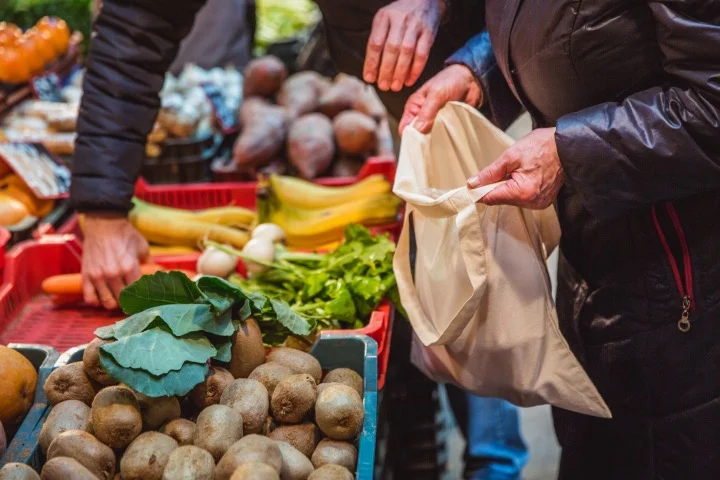
• Bring along reusable shopping bags, water bottles, cutlery, napkins, straws, food containers and mugs, which will all come in handy. Avoid purchasing over-packaged food with throwaway plastic. By buying less plastic, you will generate less waste.
• Buy local and authentic food! It’s a good idea to check out local farmers markets in advance, which can be both fun experiences and provide healthy options. Also, try out smaller restaurants rather than big chains.
• If you consider yourself a good cook, you can pack your own homemade and healthy snacks in reusables containers and a cooler instead of buying packed snacks. Then stop somewhere scenic for a picnic, making sure you leave the place without waste of any kind. Bringing along your own food means you’re not limited to wasteful fast food options along the highway!
• Even on holidays, you are responsible for your own waste. A good alternative is looking for nearby recycling centers to leave all the waste that can be recovered. 3. Protect nature and wildlife
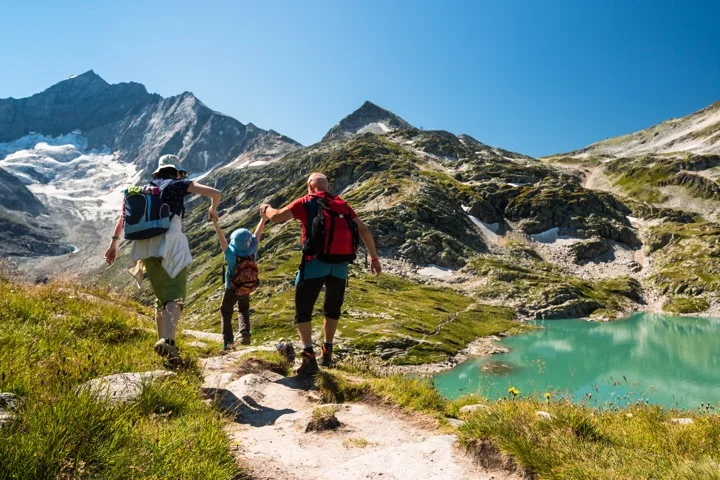
Going on a road trip with family and friends is a fantastic way to explore natural areas. Fresh air and wide open spaces are what we all need right now; this is the perfect time to connect with nature!
• Enjoy hiking, biking or simply being outdoors in a way that refreshes your body, mind and spirit.
• Conserve the landscapes by leaving no trace of you. If you’re camping, do so in designated sites, as camping other places can damage a fragile ecosystem. In addition to not leaving waste, try to pick up any waste you find, so you leave the campsite better than the way you found it.
• Never feed wildlife, as they might be harmed by the food and become too habituated to humans. Respect the environment and its biodiversity.
• Take this as an opportunity to educate yourself about your destination with a local expert/guide and find out all the hidden, well-kept secrets of the place that you are visiting! Besides contributing to the guide’s livelihood and learning about your holiday destination, they will help you understand how to better protect the natural habitat.